What to know as "super El Niño" conditions take shape
Detailed summary
Here's what to know about El Niño, the powerful climate pattern impacting weather across the globe.
El Niño has become especially powerful this year, with "super El Niño" conditions now officially taking shape.
The National Oceanic and Atmospheric Administration's Climate Prediction Center announced Thursday that the phenomenon, which affects weather and climate around the world, has intensified and continues to strengthen. Its effects through next spring may even be considered historic, the agency said.
El Niño is a climate pattern defined by warming waters in a specific region of the Pacific Ocean near the equator. It occurs every two to seven years and usually lasts between nine and 12 months.
When El Niño is active, a large portion of the world gets warmer, too. In September, researchers at the University of Chicago predicted that an estimated 451,000 more people would die worldwide during this year's El Niño, compared with a typical year, because of excessive heat exposure.
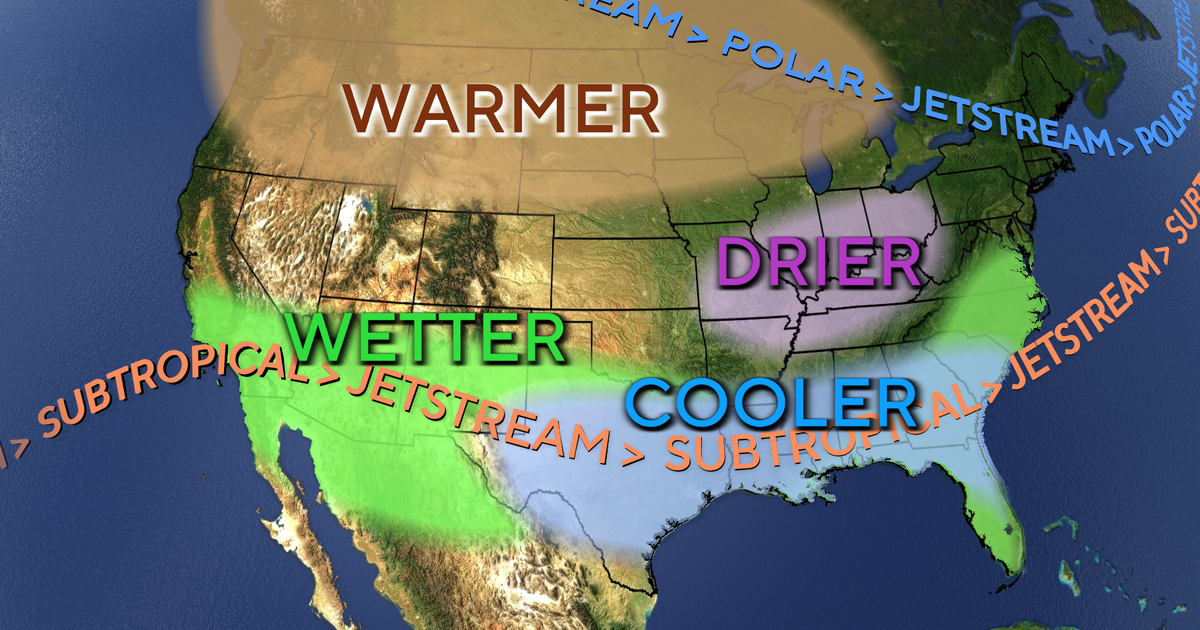
The impacts of El Niño vary in different parts of the world, adjusting hurricane frequencies, altering sea levels, and at times triggering mass flooding or severe drought as well as seasonal snowfall amounts that depart from historical averages.
Fishing and agricultural industries often feel tangible consequences of those changes, as do utilities that depend on rainfall and wind to generate power.
Hype has swirled around the phrase "super" El Niño, which describes an El Niño climate pattern that is particularly strong and impactful. It isn't an official term, though, and neither NOAA nor the World Meteorological Organization recognizes it. Instead, both agencies categorize this year's El Niño as "very strong."
NOAA determines that an El Niño event is taking place when El Niño conditions are detected in the tropical Pacific for at least a three-month period, five times in a row. If sea surface temperatures in that region rise 0.5 degrees Celsius, or more, above average, an El Niño event is declared.
As of Nov. 12, sea surface temperature anomalies topped 4 degrees Celsius as El Niño strengthened…
Opening of the article, excerpted from CBS News. To read the rest, open the article on the publisher's site.
MarketNews shows the headline and summary published by the outlet. The full article is on the publisher's website. (www.cbsnews.com)