7,000 Egyptian Factories Will Soon Be Solar-powered
Detailed summary
Egypt is rapidly expanding its solar power capacity as part of its goal to source 42% of its electricity from renewables by 2030 and 65% by 2040. The country currently gets most…
With over two decades of journalistic experience working in newspapers, trade publications and as a mining reporter, Andrew Topf is a seasoned writer specializing in…
Egypt is rapidly expanding its solar power capacity as part of its goal to source 42% of its electricity from renewables by 2030 and 65% by 2040.
The country currently gets most of its energy from fossil fuels, primarily natural gas and petroleum, which account for roughly 87% of Egypt's electricity generation. Renewables make up around 13%, divided between 6% hydropower and 7% wind and solar.
Egypt’s solar PV capacity is projected to grow from roughly 2.9 GW to 34.3 GW by 2035, driving total national renewable capacity toward nearly 49.7 GW.
Egypt sits within the global “solar belt,” with the Western Desert and Upper Egypt receiving an exceptional solar irradiance of 2,000 to 3,200 kWh/m² annually.
Natural gas has long fueled Egypt's electricity grid. Scaling up solar power reduces domestic gas consumption, freeing up valuable gas reserves for export and foreign currency generation. Related: 5 Oil and Gas Stocks That Crushed Third-Quarter Earnings Estimates
Egypt faces massive costs from fossil fuel subsidies (around $7 billion annually) and soaring import expenses. Solar power is significantly cheaper to generate, costing roughly $0.02/kWh compared to over $0.06/kWh for fossil fuels, helping relieve public debt and state budgets.
Rising domestic demand and summer rolling blackouts have strained traditional power plants. Solar energy offsets daytime loads on conventional plants, increasing grid stability.
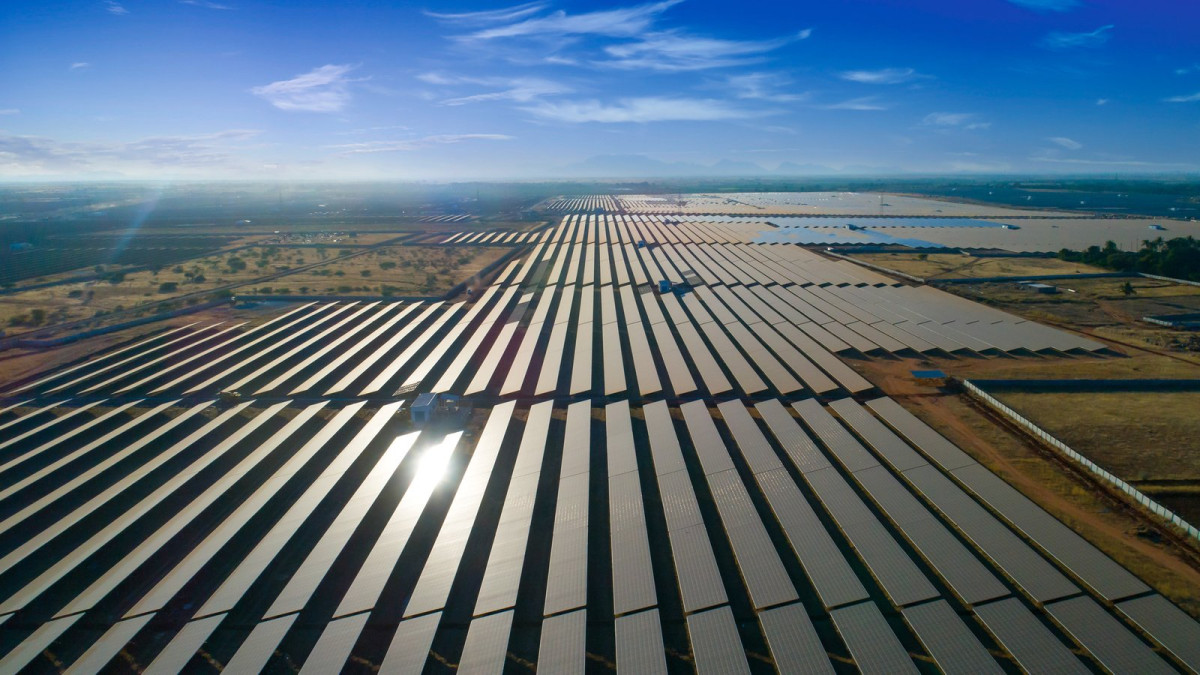
Egypt aims to source 42% of its electricity from renewable energy by 2030 and 60% to 65% by 2040 under its Integrated Sustainable Energy Strategy (ISES 2035). Large-scale installations like the Benban Solar Park, and the development of a solar energy plant in Upper Egypt with batteries supplied by a battery manufacturing facility in the Suez Canal Economic Zone are central to this transition.
Opening of the article, excerpted from OilPrice.com. To read the rest, open the article on the publisher's site.
MarketNews shows the headline and summary published by the outlet. The full article is on the publisher's website. (oilprice.com)

