Why anxiety can feel worse at night and what to do about it
Detailed summary
Nighttime anxiety is incredibly relatable. Here’s what experts recommend.
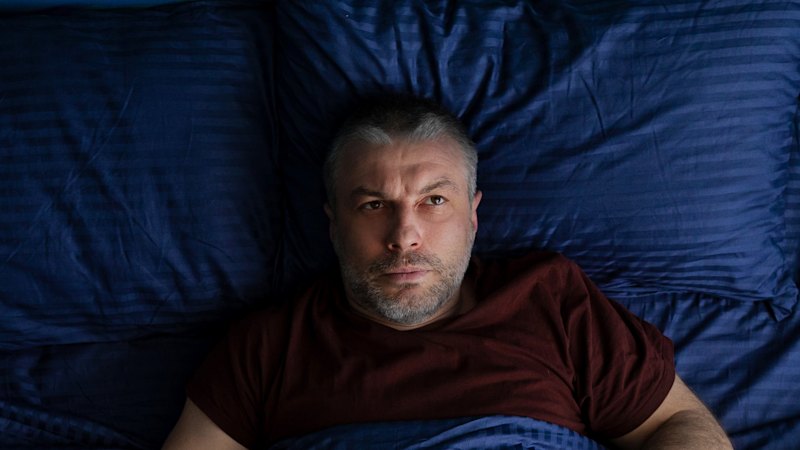
If you often find yourself lying wide awake at night – when you should be sleeping – stewing over an argument you had earlier in the day or worrying about an important upcoming meeting, you’re not alone.
Nighttime anxiety is “incredibly relatable to most people, myself included,” says Natalie Solomon, a psychologist board certified in sleep medicine at the Stanford University School of Medicine. “Our emotional regulation decreases at night, so you might have the same stresses or worries during the day, but they really seem to sharpen at night for many people.”
Around one in four Australians will experience anxiety in their lifetime. Research shows that anxiety symptoms, including racing thoughts and nervousness, can peak at different times during the day and are highest at 8am, 4pm and 1am, with racing thoughts in particular generally increasing in the evenings.
There seems to be a “bidirectional relationship” between anxiety and sleep, Solomon says. In other words, anxiety revs up your fight-or-flight system, which tells your body to activate and become alert, which makes it more difficult to sleep. Lack of sleep then makes you more vulnerable to anxiety, and so the cycle continues.
There are several reasons anxiety often worsens at night. Here’s what to know, how to handle it and when to seek help.
Work and personal demands typically consume your attention during the day. But at night, there are fewer distractions, giving you “more space for thinking about the things you’re either concerned about or worried about,” says Candice Alfano, a psychology professor at Stony Brook University who researches the relationships between emotions, behaviours and sleep. “All of this can elevate anxiety.”
It can also be more difficult to cope with emotions in the evening, Solomon says. Research suggests that levels of strategic reasoning, which governs the ability to analyse information and make informed decisions, are lower at night.
So, “your anxiety outweighs the more logical parts…
A…
Opening of the article, excerpted from WAtoday. To read the rest, open the article on the publisher's site.
MarketNews shows the headline and summary published by the outlet. The full article is on the publisher's website. (www.watoday.com.au)