Top Chamber of Commerce official says the midterms weren’t just about prices: They were about 20 years of 2% growth
Résumé détaillé
Neil Bradley warned Washington against “the easy button” of rate caps and price controls. His growth math holds up; his fix is another matter.
Less than two weeks after voters handed Democrats both chambers of Congress in an election defined by frustration over the cost of living and perceived corruption, the U.S. Chamber of Commerce’s top policy official warned a room of executives that Washington might already be misreading the message.
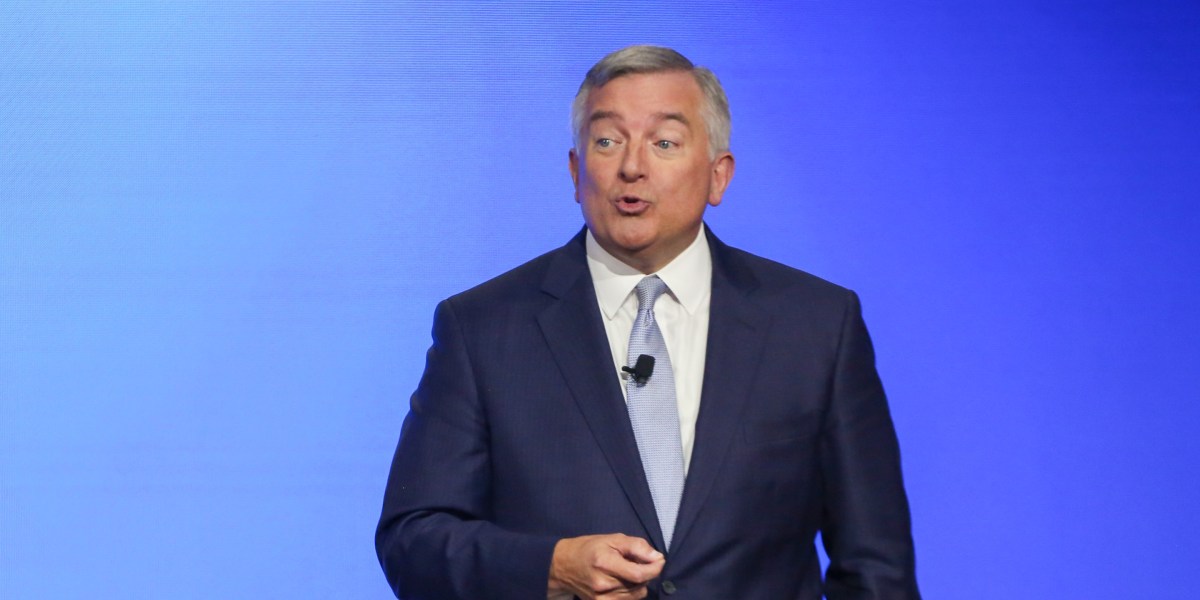
Neil Bradley, the Chamber’s executive vice president, chief policy officer and head of strategic advocacy, said Monday at the Fortune 500 Innovation Forum in Detroit that the affordability anger is real. He also argued it sits on top of something voters have been signaling for two decades that “no one has been paying attention to”: 20 years of roughly 2% real GDP growth, after 60 years of more than 3%.
That gap is the difference between a kid who grows up richer than their parents and one who doesn’t. Harvard economist Raj Chetty and his co-authors found in a 2017 paper that the share of Americans earning more than their parents fell from about 90% for children born in 1940 to 50% for children born in the 1980s.
“The concept of the American dream isn’t 3% growth, but it’s highly correlated to it,” Bradley said.
Bradley’s real target was what Congress does next. “There’s a real temptation to hit the easy button,” he said, like capping credit card interest rates, price controls on pharmaceuticals, or limits on stock buybacks and dividends. These are “proposals that both ends of the political horseshoes are coming together on” and they might ease voters’ angst “for a brief period of time,” he said, “but they won’t solve our long-term challenges.”
The horseshoe part is accurate. President Trump called for a one-year, 10% cap on credit card rates in January, and Sens. Bernie Sanders and Josh Hawley have a bill to do it. The Senate’s version of this year’s defense bill carries new restrictions on buybacks and dividends by defense contractors.
The list also lines up with the Chamber’s membership. Card issuers, drugmakers and any public company with a buyback program would pay for…
Brad…
Début de l'article, extrait de Fortune. Pour lire la suite, ouvrez l'article chez le média.
MarketNews présente le titre et le résumé publiés par le média. L'article complet se lit sur le site de l'éditeur. (fortune.com)