'Fait accompli': Looming UN vacuum in occupied Lebanon opens doors to private companies
Detailed summary
Diplomats and rights groups fear private organisations could take over critical humanitarian functions without the oversight or credibility of international institutions
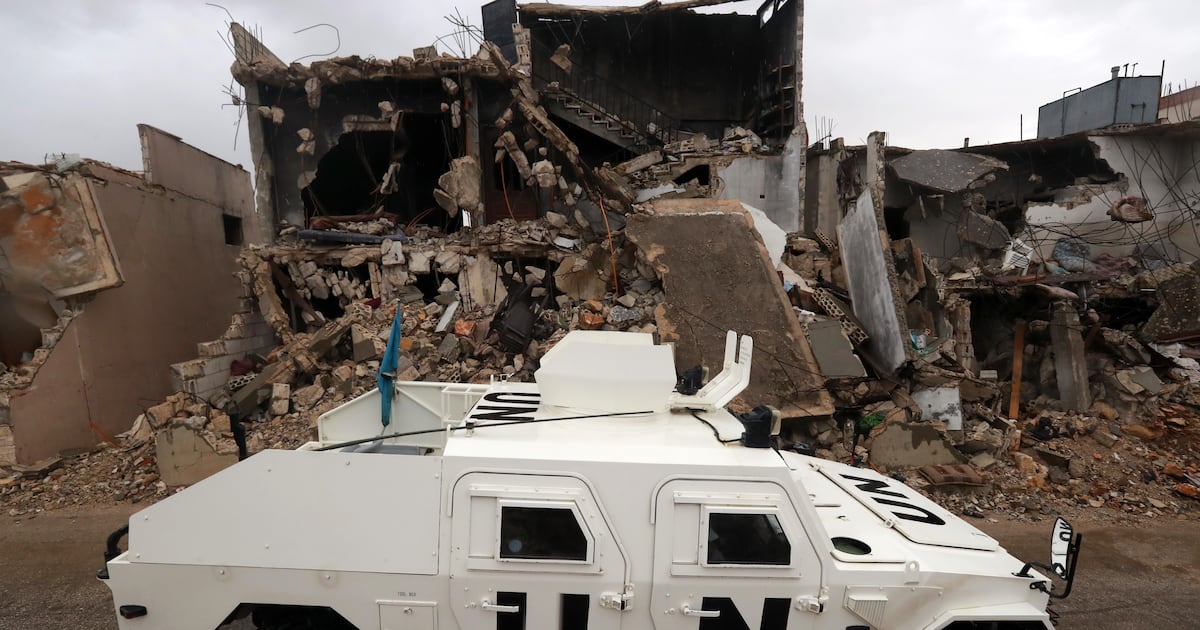
Deep inside Israeli-occupied southern Lebanon, where even UN peacekeepers have struggled to secure access for civilians, a private US non-profit group headed by a Lebanese-American defence contractor has carved out a controversial humanitarian corridor.
The American Foundation on Lebanon (Afol), headed by businessman Bilal “Bill” Maadarani, has enabled the delivery of humanitarian aid and provided security escorts to residents and aid workers moving in and out of three otherwise isolated, besieged Christian villages inside occupied territory.
On at least two occasions, it has also assisted western diplomats and journalists inside the zone.
Afol is the only organisation “able to conduct humanitarian missions without relying on Unifil escorts”, Mr Maadarani told The National. “Our goal is to fill critical humanitarian gaps.”
But with the UN Interim Force in Lebanon (Unifil) approaching the end of its mandate next month, the expanding role of a private US entity run by a defence contractor – and its potential to become the only intermediary for these communities – has alarmed western diplomats, humanitarian workers and experts. The precedent has increased worries that private organisations could assume functions traditionally carried out by internationally mandated institutions, but without the same oversight and credibility.
“A UN mandate is essential for European countries. Operating without it would let the balance of power dictate the dynamic on the ground, which raises serious concerns,” said one of eight western diplomats interviewed for this story, all of whom asked not to be identified for reasons of diplomatic sensitivity.
Another stressed the importance of respecting international humanitarian law as a “number-one priority”.
For residents of the three Christian villages inside what Israel calls its “buffer zone”, extending 10 to 12 kilometres into Lebanon from the border, leaving home means negotiating military restrictions, securing approval and, frequently…
For…
Opening of the article, excerpted from The National. To read the rest, open the article on the publisher's site.
MarketNews shows the headline and summary published by the outlet. The full article is on the publisher's website. (www.thenationalnews.com)