Nvidia board’s idolatry of Jensen Huang could open the door to shareholder lawsuits in Delaware Chancery Court
Résumé détaillé
If they never asked him, that is the Caremark problem.
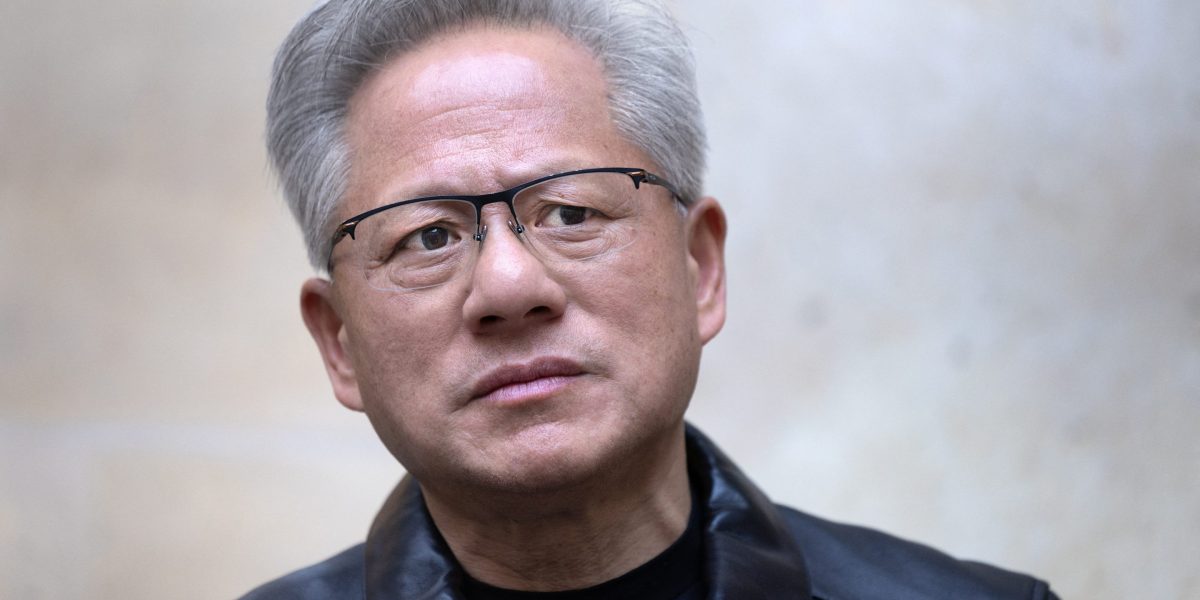
There is no doubt that Nvidia founder and CEO Jensen Huang is a visionary genius, whose vision as the ‘Godfather of AI’ has improved billions of lives around the world and contributed greatly to American prosperity and innovation. He has attended our Yale CEO forums and has been revered by CEOs across sectors and around the world for his bold, entrepreneurial vision and his revolutionary technological triumphs, plus he is a showcased contributor to our new, upcoming book, When Machines Act: The Promise and Perils of our Agentic AI Future, published by MIT Press and written with Two Sigma Co-Founder David Siegel.
Yet, amid calls for Huang’s immediate resignation from top GOP voices, including Sen. Kevin Cramer of the Senate Banking Committee and others, and demands that he answer to Congress, there were some blatant red flags in Huang’s recent leadership that were apparently missed by the Nvidia board.
In October 2025, the New York Times reported that Megaspeed, a little-known Singapore firm, had bought billions of dollars of Nvidia chips amid suspicion that it was helping China evade U.S. restrictions by laundering banned chips on the U.S. export restriction list to China via neutral countries. Nvidia said a review found no evidence its chips were diverted, but that reporting was followed by an explosive report by a short seller, Culper Research, alleging “uncomfortably close ties” between Alice Huang, the head of Megaspeed, and Jensen Huang, in May 2026. Jensen described the Megaspeed dealings as normal, and apparently the Nvidia board was content to leave it at that.
Late last month, the Times reported that U.S. intelligence believed that Alice Huang was a Chinese asset. A company spokesperson said the diversion claims had been debunked and described the relationship as nothing unusual.
The Caremark doctrine, established in 1996 in Delaware Chancery Court, establishes that corporate directors have a fiduciary duty of oversight, and that directors breach their duty of…
Début de l'article, extrait de Fortune. Pour lire la suite, ouvrez l'article chez le média.
MarketNews présente le titre et le résumé publiés par le média. L'article complet se lit sur le site de l'éditeur. (fortune.com)