India bans black mass exports to retain critical minerals. Can domestic industry capture their value?
Résumé détaillé
When an electric vehicle battery reaches the end of its life, the minerals inside it do not necessarily have to leave the economy with it. Lithium, cobalt, nick ...
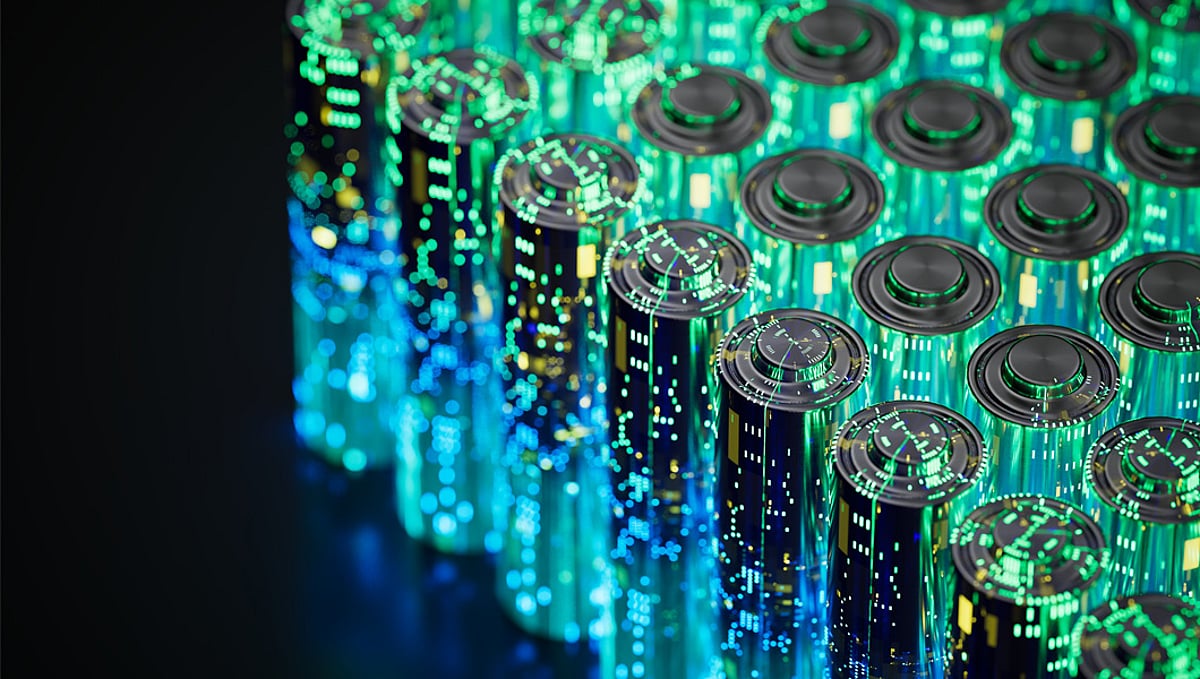
When an electric vehicle battery reaches the end of its life, the minerals inside it do not necessarily have to leave the economy with it. Lithium, cobalt, nickel and other valuable materials can be recovered and potentially used to manufacture new batteries. But until now, some of the black mass produced from discarded lithium-ion batteries in India has been finding its way to overseas markets, taking with it an opportunity to build domestic mineral recovery capabilities.
The Union government has now moved to address this. On November 10, 2026, it prohibited the export of lithium-ion battery black mass, a move that could help retain an important source of secondary critical minerals within the country. The decision is significant not simply because it restricts the export of waste, but because it raises a larger industrial policy question: can India turn the minerals recovered from discarded batteries into inputs for its own battery manufacturing industry?
The Directorate General of Foreign Trade (DGFT) changed the export policy for the specified category of battery waste and scrap under ITC (HS) code 85491400 from “Free” to “Prohibited”, with immediate effect and until further orders. The provision covers specified unsorted battery waste and scrap that does not contain lead, cadmium or mercury. Transitional arrangements under the Foreign Trade Policy, 2023, will apply. The government’s announcement explicitly identifies lithium-ion battery black mass as the material covered by the notification.
The significance of the decision lies in what black mass represents. Produced by shredding end-of-life lithium-ion batteries and battery manufacturing scrap, it is a powder containing a mixture of recoverable metals, graphite and other residues. Depending on the chemistry of the original battery, it can contain lithium, cobalt, nickel and manganese. It is not, however, a finished material that can be used directly in new cells.
For India, this distinction has strategic…
Battery…
Début de l'article, extrait de Down To Earth. Pour lire la suite, ouvrez l'article chez le média.
MarketNews présente le titre et le résumé publiés par le média. L'article complet se lit sur le site de l'éditeur. (www.downtoearth.org.in)