Iranian women are facing not just lashings, but "honor killings"
详细摘要
Singer Parastoo Ahmadi's 74 lashes for daring to sing without her hair covered is not a unique case in Iran. Other women are being killed, some by their own families.
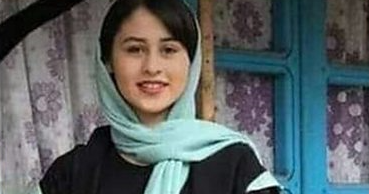
Helia Fattahi told her parents she was pregnant. She was not married. They allegedly killed her.
Iranian police arrested both parents after the killing on Nov. 21 in Sanandaj, a city in the mountains of western Iran. According to local media, they confessed, citing the shame they believed their daughter had brought upon the family.
The provincial police chief, however, described the motive in more prosaic terms, calling it "family disputes," and the parents have not been charged with any crimes.
Two days later, in the holy city of Qom, another Iranian woman was violently punished for a different act of defiance.
Parastoo Ahmadi, a celebrated singer, and four members of her production team each received 74 lashes over a concert she had performed nearly two years earlier without wearing a headscarf.
One woman had defied the conventions of her family. The other had defied the laws of the state.
Both cases, along with a spate of killings of young women across Iran in recent weeks, illuminate the sharp and still fragile limits to the modest freedoms Iranian women have secured since a popular uprising shook the Islamic Republic four years ago.
At the heart of that struggle are questions about who gets to decide how Iranian women live — what they wear, whom they love, and whether they can marry who they choose.
The protests first erupted in 2022 after Mahsa Amini, a 22-year-old Kurdish woman, died in police custody after being arrested for wearing her headscarf improperly. Her family told CBS News she was tortured in custody.
文章开头,摘自CBS News。如需阅读全文,请前往媒体网站。
MarketNews 仅展示媒体发布的标题和摘要,全文请在出版方网站阅读。 (www.cbsnews.com)