Bangladesh braces for a December of converging crises
Detailed summary
Last December was one of the most turbulent months in Bangladesh’s recent history. The country was looking ahead to the February election when Sharif Osman Hadi, a young political…
Last December was one of the most turbulent months in Bangladesh’s recent history.
The country was looking ahead to the February election when Sharif Osman Hadi, a young political leader, was shot and later died on December 18. His death was followed by mob attacks on Prothom Alo, The Daily Star and cultural organizations including Chhayanaut and Udichi.
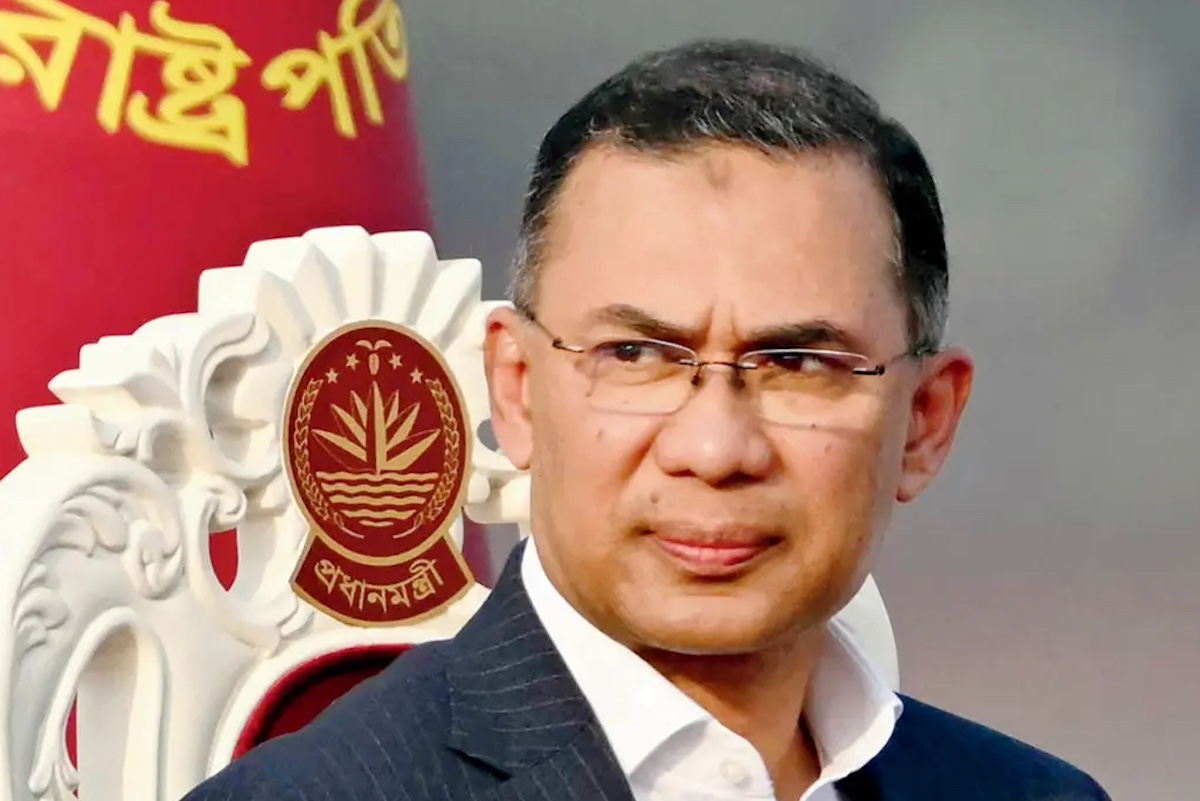
Then, on December 25, Tarique Rahman returned home after 17 years in exile. Five days later, his mother and former prime minister Khaleda Zia died. A year on, December is approaching with an altogether different set of uncertainties, but there are reasons to think it could be just as consequential.
The anniversaries of Hadi’s death and the attacks on media and cultural institutions are only part of the story. Several political and diplomatic tensions are building at the same time, and their convergence could make the month particularly difficult for Bangladesh.
The biggest uncertainty is Sheikh Hasina, who has indicated that she intends to return to Bangladesh in December and surrender before a court.
On November 9, a British lawyer claiming to represent her also wrote a letter to the acting high commissioner of the Bangladeshi embassy in New Delhi, requesting a new passport and national identity card for Hasina.
The issue came up at a meeting of the BNP parliamentary party later that day, where Home Minister Salahuddin Ahmed said the government would take the necessary steps under the existing extradition treaty with India if Hasina wanted to return. Prime Minister Tarique Rahman, who chaired the meeting, made no direct comment on the matter.
Earlier that day, Foreign Affairs State Minister Humaiun Kobir described the reported request for a new passport and national identity card as “utterly ridiculous”, saying Bangladesh wanted Hasina handed over under the extradition treaty rather than return as an ordinary traveler.
On November 10, Prime Minister’s Information and Broadcasting Adviser Zahed Ur Rahman said Hasina…
Opening of the article, excerpted from Asia Times. To read the rest, open the article on the publisher's site.
MarketNews shows the headline and summary published by the outlet. The full article is on the publisher's website. (asiatimes.com)