6 Questions About Jensen Huang's Stunning Return as Nvidia CEO
Résumé détaillé
Just 11 days after resigning amid an alleged espionage scandal, Huang is back at Nvidia—with questions swirling about Trump's intervention, national security, and the future of the AI industry.
Eleven days. That’s how long it took Jensen Huang to return to his post of CEO of Nvidia after resigning in the wake of an alleged espionage scandal that rocked the business, tech, and policy worlds.
On Nov. 12, Huang stepped down from the company he co-founded in 1993 after acknowledging an extramarital affair with Alice Huang, a Chinese national whom U.S. intelligence officials reportedly suspected was a Chinese spy. Her former company, Megaspeed, is also under criminal investigation over possible export-control violations. (The two Huangs are not related.)
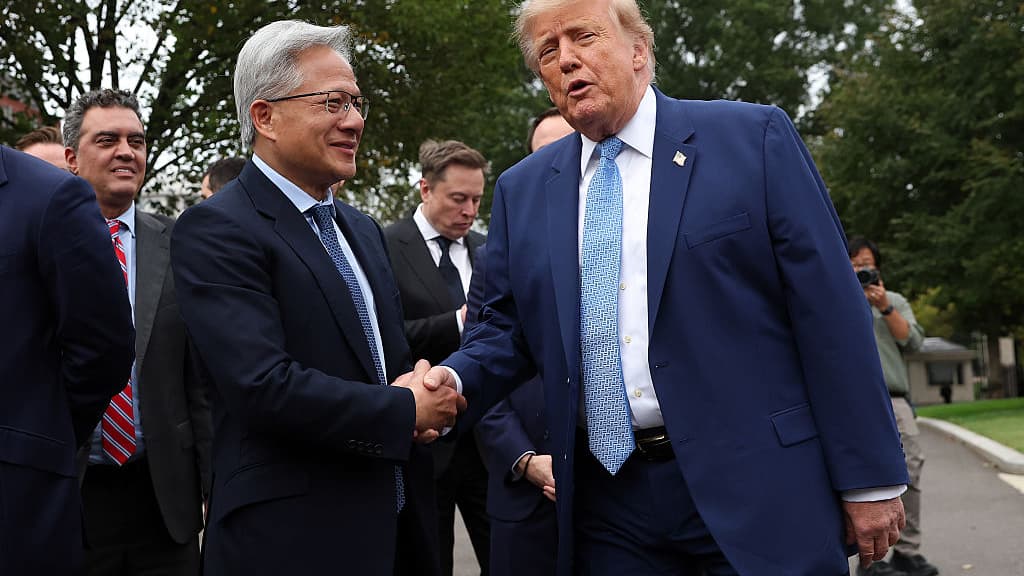
But on Monday, Nvidia’s board announced that it had unanimously reinstated Huang after receiving “input from senior levels of the United States government” that his reinstatement “poses no national security risk.” Donald Trump personally claimed credit for the reversal, telling CNBC that “I convinced them” and “I made the deal.”
The stock market surged, with Nvidia shares rising more than 30% as trading opened Monday. The broader market has now recovered more than half of last week’s plunge, temporarily easing fears that an AI slump could lead to a recession.
But Nvidia and Huang still face an uncertain and treacherous path forward. Here are six big questions about his return.
Just a week ago, the NVIDIA board made it clear that it intended to turn the page on the Huang era. At the company’s Q3 earnings call on Nov. 17, chairman Harvey Jones told investors that the board did “not intend to reinstate Huang,” despite the fact that the former CEO was angling for a return.
The board had plenty of reasons to not want him back. Reuters reported that Huang had misled several company leaders about the nature of his relationship with Alice Huang. Separate reports emerged alleging that Jensen Huang had relationships with two Nvidia employees, including Kimberly Powell, a vice president who reported to him.
But the board also faced intense pressure to reinstate him. An online campaign attracted more than 180,000 signatures…
And…
Début de l'article, extrait de Time. Pour lire la suite, ouvrez l'article chez le média.
MarketNews présente le titre et le résumé publiés par le média. L'article complet se lit sur le site de l'éditeur. (time.com)