Explainer: From undercover employment to corporate data breaches: the "Combating Foreign Threats to Main Street Act"
Detailed summary
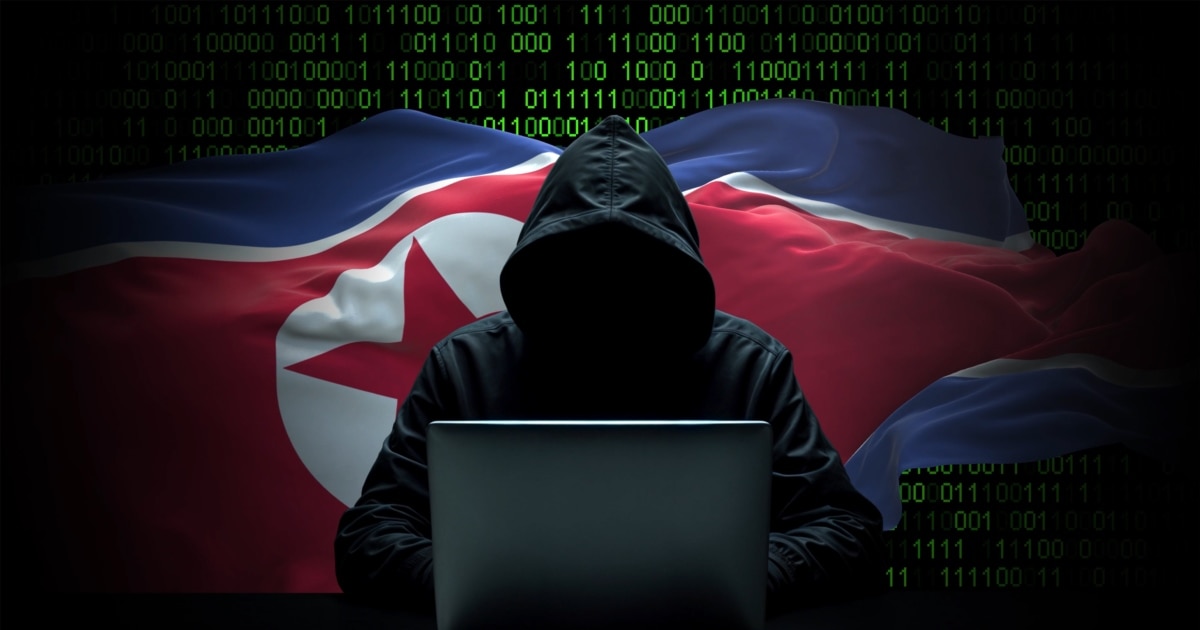
A bipartisan bill that could help U.S. small businesses recognize threats from foreign adversaries, including the risk posed by North Korean workers posing as job candidates, was debated and passed in the House of Representatives on Wednesday. It now moves on to the Senate.
Editor's note: this story was translated from the original VOA Korean article.
A bipartisan bill that could help U.S. small businesses recognize threats from foreign adversaries, including the risk posed by North Korean workers posing as job candidates, was debated and passed in the House of Representatives on Wednesday. It now moves on to the Senate.
The core provision requires the Small Business Administration to develop and distribute educational materials so that businesses can recognize the risks identified by the U.S. government and learn how to respond.
Its official title is the “Combating Foreign Threats to Main Street Act of 2026." It requires the Small Business Administration to guide businesses on how to identify, prevent, and respond to threats. The bill requires the SBA to develop materials in collaboration with relevant agencies and distribute them through regional offices and existing support programs. The SBA would be expected to use its existing budget to produce new materials.
Rep. Roger Williams, a Republican from Texas’s 25th Congressional District and chairman of the House Small Business Committee, is leading the effort. Williams has specifically identified China, Russia and North Korea as foreign threats the legislation seeks to address. Explaining the need for the bill, he said that “while many small businesses are exposed to foreign threats, they lack the resources and expertise to respond.”
Rep. Derek Tran, a Democrat representing California’s 45th Congressional District, is also involved in the effort. He serves on the House Small Business and Armed Services committees.
“Even small companies have technology and information that needs to be protected”, according to the proposed bill.
For example, even a small software company may have programs it developed in-house. “If a manufacturer’s blueprints or customer and business partner information are leaked, it could harm the business”.
Chairman Williams’ office explained that “many small businesses…
Opening of the article, excerpted from Voice of America. To read the rest, open the article on the publisher's site.
MarketNews shows the headline and summary published by the outlet. The full article is on the publisher's website. (www.voanews.com)