Africa is not behind in AI. We are measuring the wrong things
Detailed summary
Africa's place in artificial intelligence should not be measured solely by large language models. By prioritising computer vision, local datasets, and the…
Artificial Intelligence (AI) is increasingly discussed as though it were synonymous with large language models. Ask which country is leading in AI and the conversation quickly turns to foundation models, GPUs, model parameters and the companies capable of training them. Ask where Africa stands and the answer is often equally predictable: Africa is behind.
There is some truth in that assessment. The continent still faces major gaps in high-performance computing, advanced semiconductor capability, cloud infrastructure, research funding and access to specialised hardware. A 2024 review of African computer-vision research found extremely low representation in top-tier venues. (https://www.jair.org/index.php/jair/article/view/16653). These are real weaknesses and they should not be disguised.
But the conclusion also depends on where we choose to start counting. AI does not begin with a model. And intelligence does not begin with language. Human beings experience the world multimodally. We see, hear, move, remember, interpret and combine signals through context. Language matters, but it is only one part of intelligence.
That is why I think the current African AI debate is too heavily weighted toward natural-language processing. African-language technologies are important and should be supported. But many of the continent's most consequential problems are physical: agriculture, mining, transport, health, infrastructure, energy, wildlife, manufacturing and climate. Machines that operate in these environments must first be able to perceive them. They must interpret crops, roads, medical images, mineral surfaces, power lines, vehicles, animals, buildings and changing landscapes. This is the domain of computer vision.
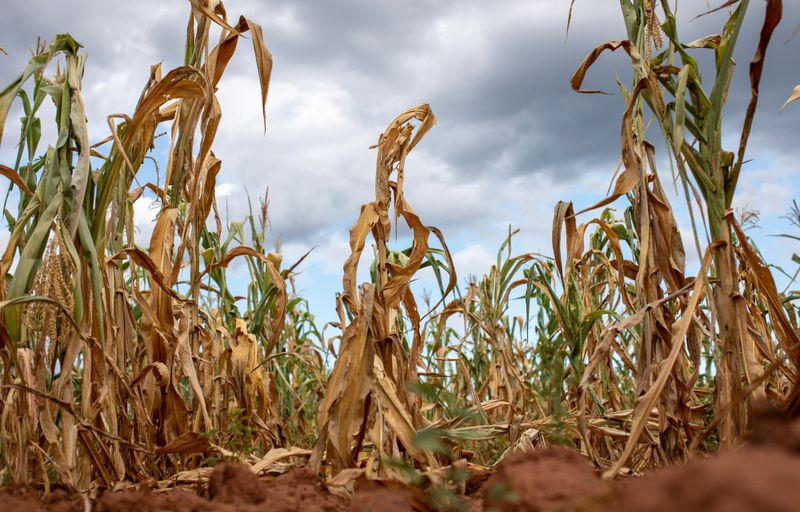
Consider agriculture. A phone camera or drone can help identify crop disease, assess plant health or monitor livestock. Satellite imagery can support drought analysis, flood mapping, land-use monitoring and infrastructure planning.
This is also why the phrase “the…
Opening of the article, excerpted from Mail & Guardian. To read the rest, open the article on the publisher's site.
MarketNews shows the headline and summary published by the outlet. The full article is on the publisher's website. (mg.co.za)