From civil war to political deadlock: the deep roots of Iraqi Kurdistan's KDP-PUK rift
详细摘要
Iraqi Kurdistan’s two dominant political parties are locked in their most serious confrontation in years, raising questions about the future and the possibility of two rival…
Iraqi Kurdistan’s two dominant political parties are locked in their most serious confrontation in years, raising questions about the future and the possibility of two rival administrations within the semi-autonomous region.
The Patriotic Union of Kurdistan, led by Bafel Talabani, last week withdrew from the Kurdistan Regional Government. The move followed the resumption of parliamentary proceedings in Erbil after two years of political paralysis. The Kurdistan Democratic Party pushed ahead with electing parliament’s leadership despite a boycott by the PUK, which had demanded an agreement over the distribution of senior positions before the session.
The confrontation has revived memories of the 1990s, when the two parties fought a civil war and governed Iraqi Kurdistan through separate administrations. But while the prospect of a renewed division has become a central concern, analysts say the legal and political circumstances are different today. Both parties have much to lose from a formal split, even as their ability to reach a compromise remains uncertain.
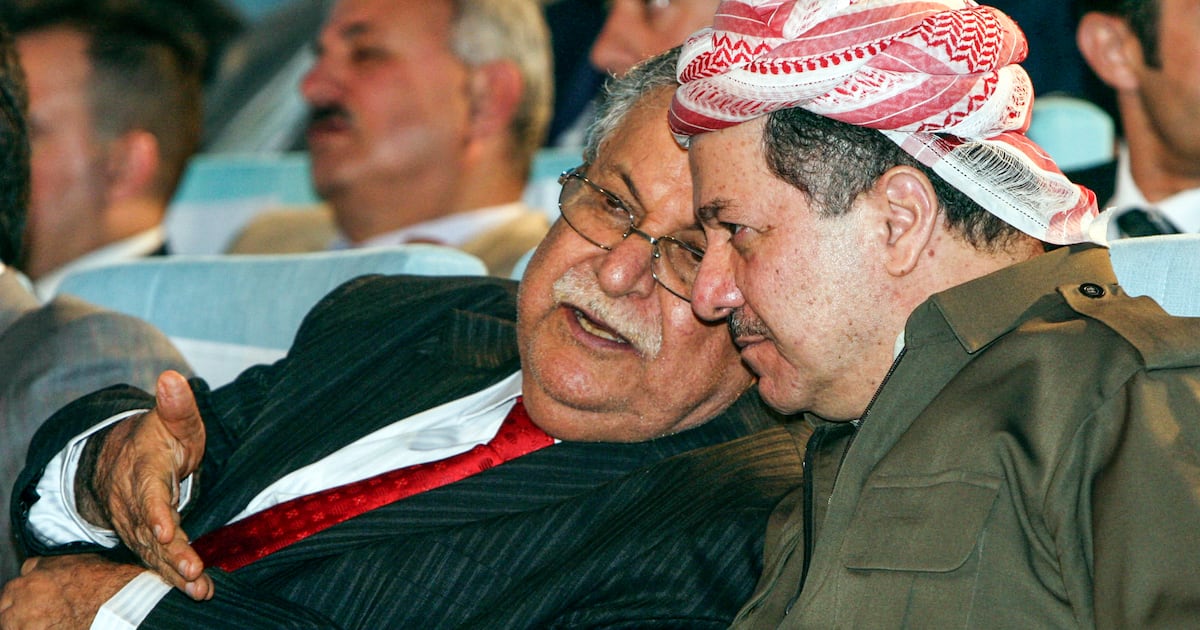
The KDP is the older of the two parties. Founded in 1946, it became the principal political vehicle of the Kurdish national movement under Mustafa Barzani, whose son Masoud Barzani remains its most influential figure and a prominent Kurdish leader.
The party draws most of its support from Erbil and Duhok provinces, where it maintains extensive political, administrative and security networks. The Barzani family remains central to its leadership, with Masoud’s son, Masrour, as Prime Minister, and his nephew, Nechirvan, as President of the Kurdistan Region.
The PUK was established in 1975 by Jalal Talabani, who broke away from the KDP alongside other Kurdish political figures. It developed a different political identity, drawing support from leftist and intellectual circles, particularly in Sulaymaniyah.
Talabani became one of Iraq’s most prominent Kurdish politicians and served as the country’s first president post-US…
文章开头,摘自The National。如需阅读全文,请前往媒体网站。
MarketNews 仅展示媒体发布的标题和摘要,全文请在出版方网站阅读。 (www.thenationalnews.com)