Charity-run kitchens in Havana feed a growing number of Cubans as crisis deepens
Detailed summary
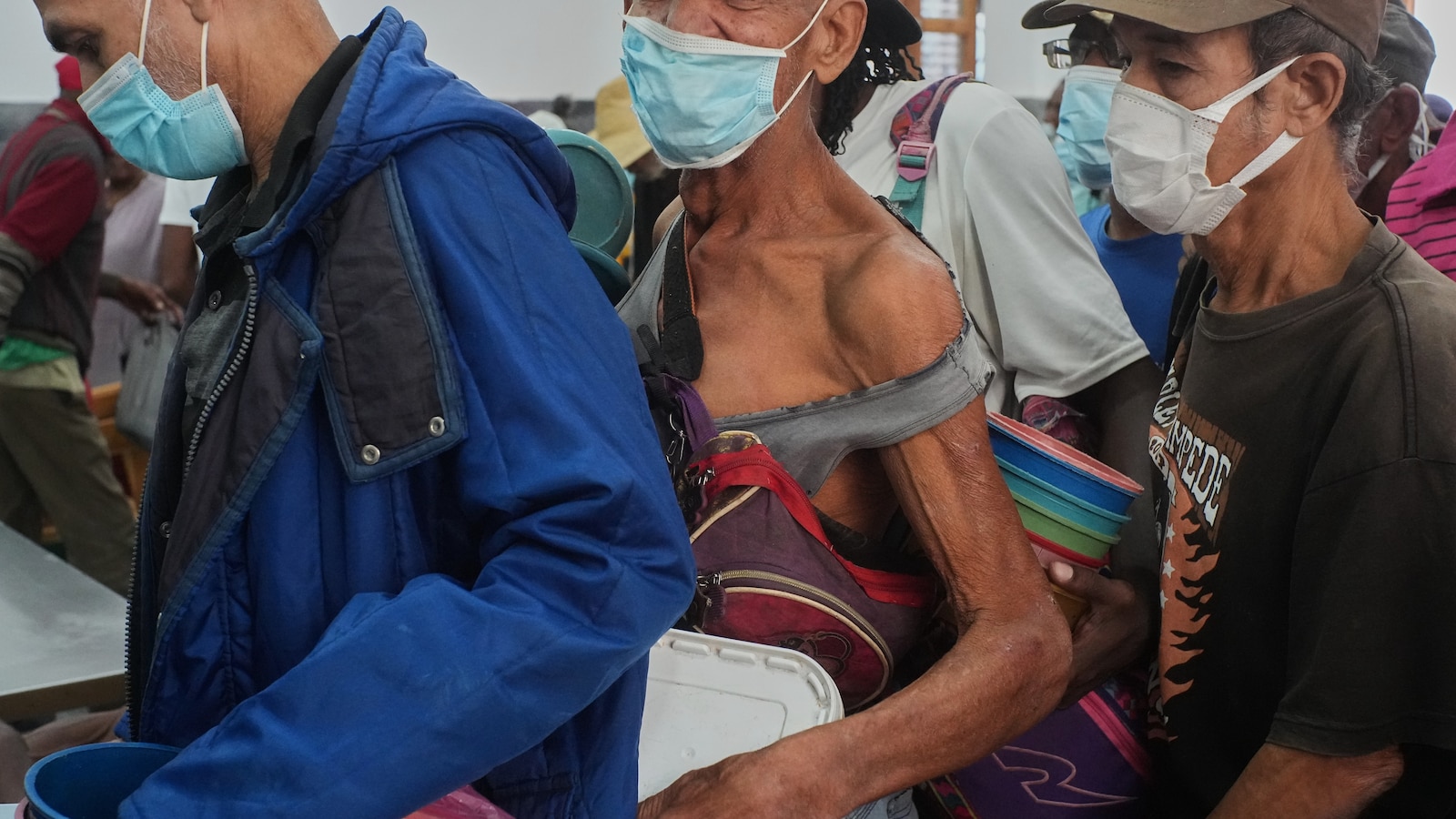
Hundreds of people line up each night outside a charity-run food pantry in Havana, hoping for their only meal of the day
Hundreds of people line up each night outside a charity-run food pantry in Havana, hoping for their only meal of the day
HAVANA -- Every night, hundreds of people line up outside a charity-run food pantry in the heart of Havana, some sleeping on the sidewalk as they wait for what may be their only meal of the day.
When the doors open at 7 a.m., people hurry inside carrying numbered plastic containers. With so many mouths to feed, volunteers follow a carefully organized routine: They wash the containers, call out the numbers and hand out portions of food.
“We’re having a really rough time,” said Fernando Fernández, a 71-year-old retiree who regularly visits the Asociación Quisicuaba, a group that runs a community kitchen in Havana. “I have to arrive in the early morning. Sometimes I even have to get in line the day before.”
Fernández, a former cook and security guard, is among a growing number of Cubans struggling to feed themselves as the country’s prolonged economic crisis deepens, worsened by U.S. energy restrictions, inflation and dwindling government resources.
As the state struggles to provide subsidized food, charity-run kitchens and food pantries have become a lifeline for vulnerable Cubans, including retired doctors, teachers and former government workers. Supported by religious groups, international aid organizations and the United Nations, they provide what for many is their only reliable hot meal.
Centers such as Quisicuaba, often housed in religious buildings or affiliated with faith-based groups, have proliferated across the island in recent years.
Fernández, a former caretaker, once visited the soup kitchen with his 80-year-old wife, Josefa, but now goes alone because she is ill. The couple survives on her monthly pension of 3,200 Cuban pesos, a little more than $3, and assistance from Quisicuaba.
On a recent morning, Marelys Ponce, a 34-year-old single mother, joined the line with two of her children.
Opening of the article, excerpted from ABC News. To read the rest, open the article on the publisher's site.
MarketNews shows the headline and summary published by the outlet. The full article is on the publisher's website. (abcnews.com)