‘An environmental and welfare disaster’: British salmon loses its organic status
详细摘要
This week the Soil Association withdrew certification from organic salmon after 20 years. What went wrong?The first haul of farmed salmon in Britain was a relatively modest 14…
This week the Soil Association withdrew certification from organic salmon after 20 years. What went wrong?
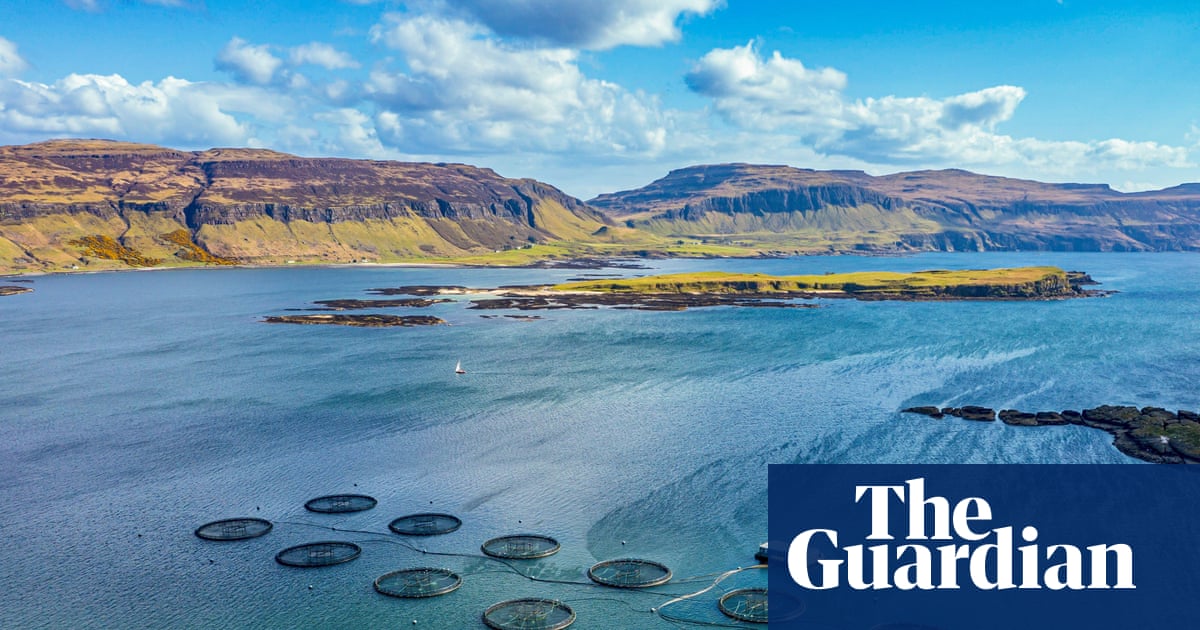
The first haul of farmed salmon in Britain was a relatively modest 14 tonnes, produced off the west coast of Scotland near Fort William in 1971.
For Unilever, the vast multinational that pioneered salmon farming, it was a triumph after years of experimenting with how to cage fish, battle against diseases and cope with the wild weather. Unilever had spotted in the 1960s that farming salmon, which until then was caught wild and remained a relative luxury, would create a mass market, lower costs and provide steady profits. By 1976, it had expanded into three Scottish sites producing 116 tonnes of fish each year.
Today the British farmed salmon industry – worth £1bn a year – produces about 205,000 tonnes of fish a year, and employs 2,500 people in Scotland.
In the decades since salmon farming was introduced, numbers of wild Atlantic salmon off British shores have declined by more than 70%, a depletion that should be a warning sign of significant environmental problems facing our rivers, coasts and seas which are only increasing as the oceans warm as a result of global heating.
Simultaneously, industrial farming of Atlantic salmon in Britain, most of which is in Scotland, has been a commercial and consumer success. Salmon is ranked the most popular fish by British families – who consume 65,000 tonnes of it each year, drawn in by marketing material promoting it as nutrient-rich, protein packed and a good source of omega-3.
Many are unaware that the salmon they are buying, with its pale colour and white fat lines, is the product of highly intensified industrial farming, not a wild fish that swims freely in the ocean.
This week the Soil Association, an accreditation body, announced it was removing its certification of organic farmed salmon after 20 years.
Helen Browning, the CEO of the Soil Association, said: “When we started working on salmon 20 years ago, we had an…
文章开头,摘自The Guardian Business。如需阅读全文,请前往媒体网站。
MarketNews 仅展示媒体发布的标题和摘要,全文请在出版方网站阅读。 (www.theguardian.com)