Scientists are learning more about the rare Ebola virus in Congo outbreak
Detailed summary
LONDON: More than six months into a devastating Ebola outbreak in the Democratic Republic of Congo, scientists and medics are beginning to gain a better understanding of the rare…
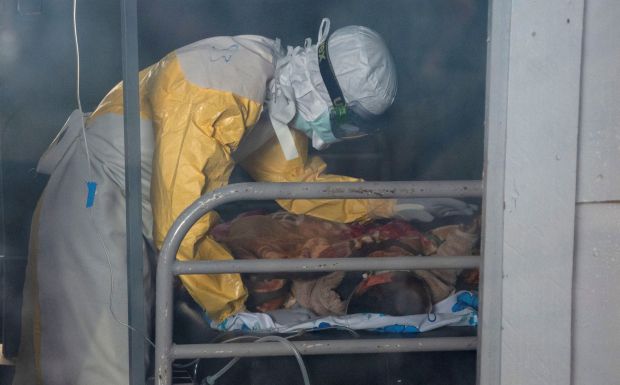
LONDON: More than six months into a devastating Ebola outbreak in the Democratic Republic of Congo, scientists and medics are beginning to gain a better understanding of the rare Bundibugyo version of the virus, which they hope can help explain its rapid spread and, ultimately, stop it.
There have been more than 11,000 cases and over 5,500 deaths so far, with the Bundibugyo virus spreading at double the pace of the 2014-2016 Ebola outbreak in West Africa, the largest on record. There are no licensed treatments or vaccines to fight it.
The outbreak’s location in a part of eastern Congo already facing a humanitarian crisis could be complicating what scientists are finding, several experts said, and cautioned against drawing early conclusions as data is limited, varied and often difficult to collect.
“There are so many different factors to compare across outbreaks, even within outbreaks — it is really hard,” said Daniel Bausch, a member of the World Health Organization’s Ebola emergency committee and visiting professor at the Geneva Graduate Institute in Switzerland.
Catherine Smallwood, the WHO's Ebola incident manager, said teams were gathering evidence to help better inform the response.
“Soon we’ll be able to make some bold statements about what’s the same, what’s different, and what we need to adjust,” she said.
A key area of investigation centers on Bundibugyo’s symptoms, particularly in children, WHO and Africa Centres for Disease Control and Prevention officials told Reuters.
Infection with Ebola can cause fever, vomiting, diarrhea and, in severe cases, internal and external bleeding.
But bleeding is only occurring in around 5% to 10% of confirmed cases in the Bundibugyo outbreak, said Yap Boum, Africa CDC’s deputy Ebola incident manager, making it less common than in outbreaks of the more prevalent Ebola, Zaire.
Opening of the article, excerpted from Gulf Daily News. To read the rest, open the article on the publisher's site.
MarketNews shows the headline and summary published by the outlet. The full article is on the publisher's website. (www.gdnonline.com)