How do children learn in Australian schools?
Résumé détaillé
You open your child's school bag expecting worksheets, textbooks and pages of homework. Instead, you find a library book, a drawing and not much else. If you're a migrant parent, you might wonder: what exactly is my child learning at school? Here's what you need to know about why learning in…
Dr Lilly Yazdanpanah, a lecturer in education at La Trobe University, explains that Australian schools often focus on more than simply delivering content.
As a result, learning may look less structured or less focused on memorisation and exams than some parents expect.
Daniel Riley, principal of Dandenong Primary School, says Australian classrooms are often designed to respond to students' individual needs rather than relying heavily on textbooks or rote learning.
As Dr Yazdanpanah explains in the podcast, the goal is not only to build knowledge, but also communication, teamwork and critical thinking skills.
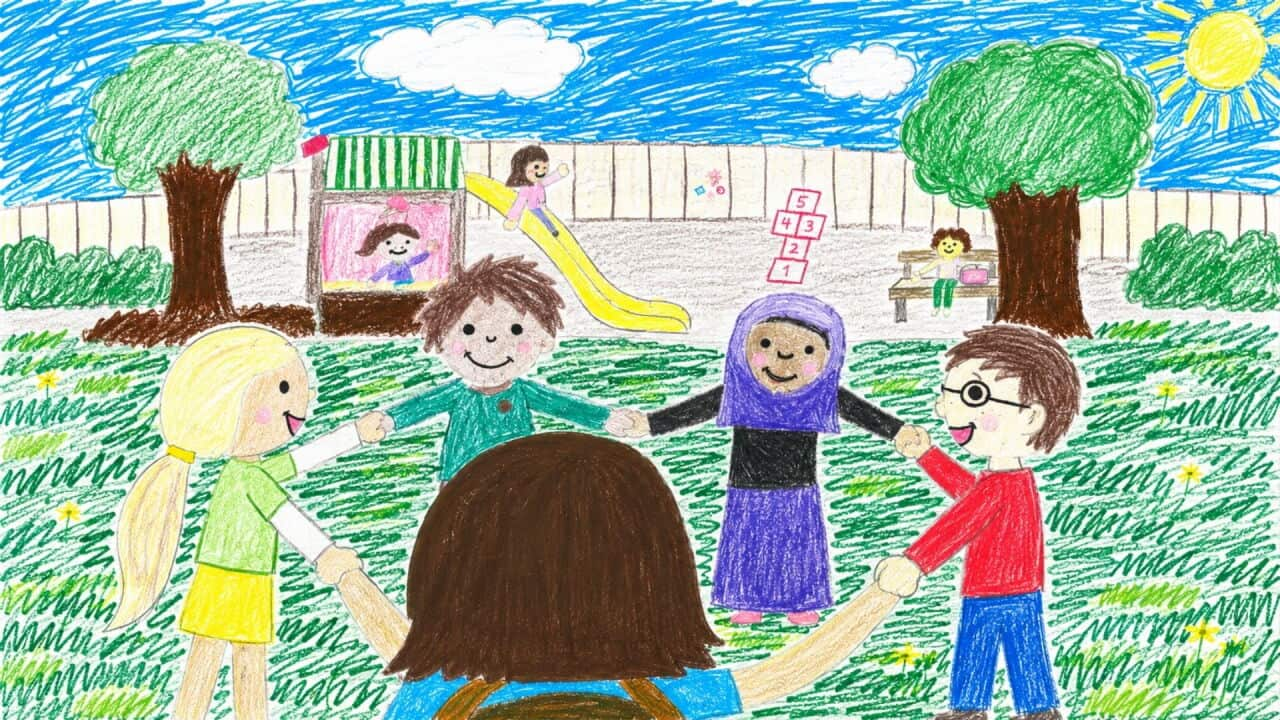
A common theme among the educators interviewed for New School, New Rules is the idea of educating the "whole child".
Rather than focusing solely on academic achievement, schools often consider social and emotional development to be an important part of learning.
Homework expectations in Australia are often lighter than in some other countries.
Katrina Sexton, principal of Cowandilla Primary School, says schools recognise that children need time outside school to rest, play and spend time with family after a full day of learning.
Kate Lindner is an English as an Additional Language or Dialect (EAL/D) teacher at Albury North Public School. She says if you would like additional learning activities, speak with your child's teacher.
Début de l'article, extrait de SBS News. Pour lire la suite, ouvrez l'article chez le média.
MarketNews présente le titre et le résumé publiés par le média. L'article complet se lit sur le site de l'éditeur. (www.sbs.com.au)