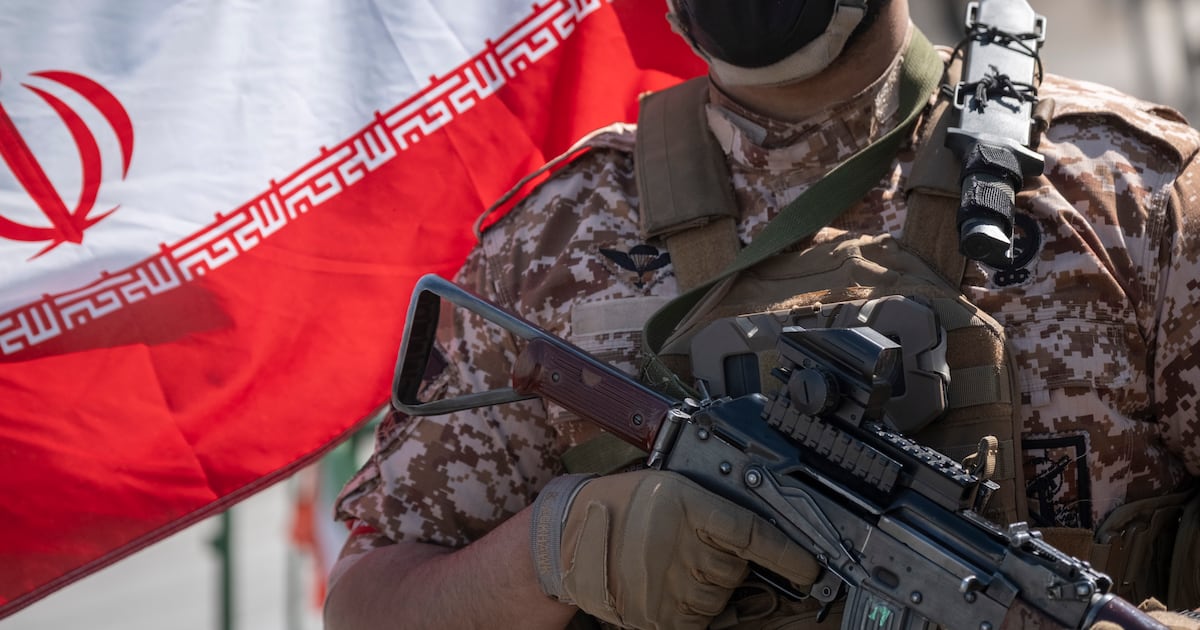
Iran's phantom agents: The sham passports used by IRGC operatives in Lebanon and Iraq
Résumé détaillé
Security officials talked to The National about how Iranian agents have, for more than 20 years, used documents issued under false or borrowed names to travel and extend Tehran's influence
When Lebanon's spy chief Hassan Choucair oversaw the launch of new biometric passports at a consulate in Detroit last September, the move was hailed as an overdue step into the digital age for the Lebanese state and its citizens.
But the switch to biometric passports – delayed for years due to Lebanon's financial crisis – has a second, less publicised function: preventing Iranian operatives from exploiting a decades-old tactic to move covertly across the region.
Security officials in Iraq, Lebanon and the US have talked to The National about how Iranian agents have, for more than 20 years, used passports and identity documents issued under false or borrowed names to travel across the Middle East, extending Tehran's influence and supporting allied militant groups.
Many other Iranians, including operatives and family members, were issued official passports after being granted citizenship under a veil of secrecy, according to the officials who spoke on condition of anonymity given the sensitivity of the matter, with naturalisation decrees withheld from public disclosure.
While the exact figures remain unknown, Lebanese and Iraqi identity documents obtained by members of Iran's Islamic Revolutionary Guard Corps (IRGC), either through forged documents or legal channels, are believed to number in the hundreds. They have allowed operatives to conceal their identities and travel without attracting suspicion.
The practice, dating back to at least the Iraq War, has once again come under scrutiny amid the regional confrontation between the US and Israel on one side and Iran and its allies on the other, especially Hezbollah and Iraqi armed groups. The revelations shed light on the shadow war between Iran on one side and Israel's Mossad and western intelligence agencies on the other, a confrontation that has gripped the Middle East for decades.
In Lebanon, naturalisation decrees have at times been kept from public scrutiny, including a controversial decision in 2018 that became…
Other…
Début de l'article, extrait de The National. Pour lire la suite, ouvrez l'article chez le média.
MarketNews présente le titre et le résumé publiés par le média. L'article complet se lit sur le site de l'éditeur. (www.thenationalnews.com)