Warren Buffett Says Berkshire Will Never Prefer Cash Over Good Businesses. History Says Your Portfolio Shouldn't Either.
Detailed summary
Stocks can be wealth creators, but there's a case for having some cash on the sidelines.
Berkshire Hathaway (BRKA -1.23%)(BRKB -1.08%) has often been criticized for keeping too much cash on hand. As of Sept. 30, its cash pile, which includes rail and utility cash and Treasury bills, sat at $377.4 billion. For an idea of just how large that is, it's about the market cap of Palantir Technologies (PLTR -0.63%).
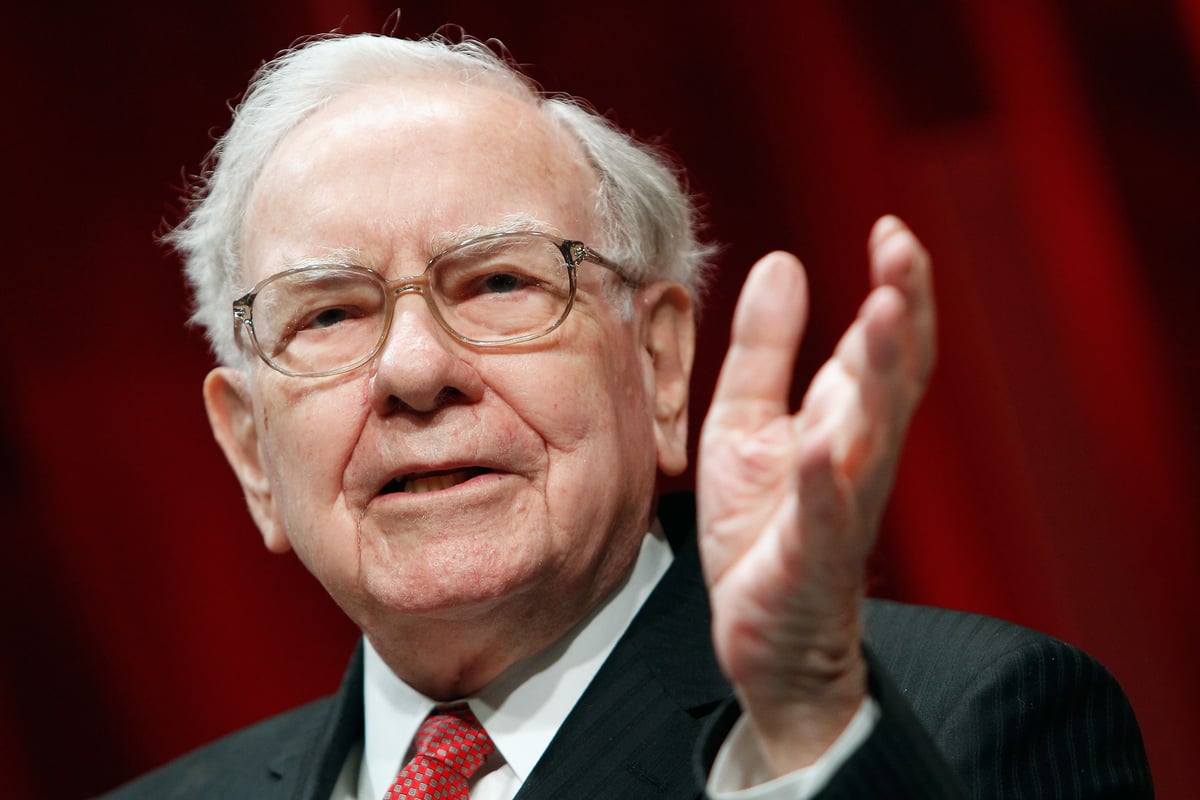
That seems to conflict with the preferences of former CEO Warren Buffett, even when he was running the company. In a 2024 shareholder letter, he said, "Berkshire will never prefer ownership of cash-equivalent assets over the ownership of good businesses, whether controlled or only partially owned."
There's nuance in that statement, however, that offers insight into what investors should consider for their own portfolios.
The stock market is known for being one of the best sources of wealth creation. As a hypothetical example, a $100 investment at the start of 1928 in the S&P 500 would have been worth $1.1 million by the end of 2025 (dividends included). In comparison, a $100 investment in a three-month Treasury bill in 1928 that kept rolling into those bills was worth $2,578 at the end of 2025.
Based on those numbers alone, it seems less than ideal to keep such a large cash position on hand.
That said, going back to Buffett's quote, there was an important word: "prefer." Buffett is famous for seeking value, whether through acquisitions, stock purchases, or Berkshire's own share buybacks. He may have preferred investing in good businesses over cash and cash equivalents, but if he didn't find any, he was OK with keeping his money on the sidelines until he did.
How much money to keep outside the stock market is a question only an individual investor can answer best, as they know their investing goals and risk tolerance better than anyone. But having some cash to work with allows for more flexibility and will mean an investor isn't selling a position to free up money to pay for another, which can trigger tax implications.
For instance, in 2026, Berkshire's…
Lon…
Opening of the article, excerpted from The Motley Fool. To read the rest, open the article on the publisher's site.
MarketNews shows the headline and summary published by the outlet. The full article is on the publisher's website. (www.fool.com)