Exclusive: In the race for robot training data, ex-Meta researchers’ startup turns to gig workers with cameras
Résumé détaillé
The startup says its customers include three frontier AI labs, as robotics developers seek more examples of humans doing physical work.
Memories.ai is paying people to show robots how to do their jobs. The San Francisco startup supplies first-person video data for robot training, with cameras capturing the hands-on details of preparing food, stocking shelves and repairing equipment.
The company is launching Memories Upload, a global gig-work platform where contributors take paid video-recording tasks to help train robots. Its wearable LUCI Pin camera, developed by Memories.ai, weighs under 45 grams and attaches magnetically to mounts worn on a person’s head, chest or wrist. It captures POV video of the contributors doing various tasks. Two cameras can be paired for stereo capture, providing views that help estimate depth.
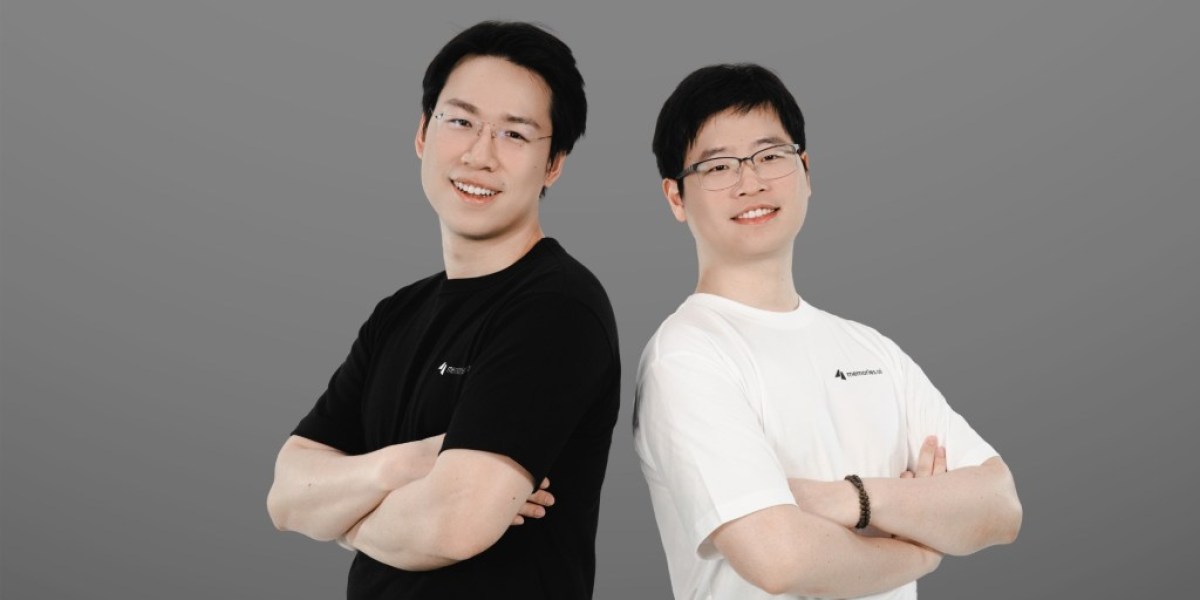
Memories.ai says its network recorded more than 1 million hours of first-person video in the platform’s first month in beta and that it aims to collect more than 10 million hours by March 2027. The company was founded by former Meta researchers Shawn Shen and Ben Zhou. The company has raised $16 million in venture capital funding to date, including an $8 million seed round in July 2025 led by Susa Ventures, with investors including Samsung Next, and an $8 million “seed extension” in June this year.
Humanoid robotics startup Figure and Physical Intelligence, a startup that builds AI software “brains” that can control a variety of different types of robots and embodied AI devices, are both exploring how robots can learn from POV video footage. Figure’s Index platform pays people to record everyday tasks for its Helix AI models. Physical Intelligence has tested combining human video with teleoperation data, which is recorded as people control robots remotely, demonstrating how to complete tasks or handle unfamiliar objects and environments.
For a robot learning to make coffee, those recordings could show how someone grips a cup, positions it beneath a grinder and moves it without spilling.
“Recognizing an activity is different from understanding exactly how a hand grips a tool, moves an…
Début de l'article, extrait de Fortune. Pour lire la suite, ouvrez l'article chez le média.
MarketNews présente le titre et le résumé publiés par le média. L'article complet se lit sur le site de l'éditeur. (fortune.com)