These Photos of Gabon's Wildlife-Rich Jungles Are a Feast for the Eyes
Résumé détaillé
One of the most sparsely populated countries in Africa, Gabon is largely covered by one of Africa’s last great rainforests. Crossing the country on the Trans-Gabon railway takes travellers from the savannah to the Atlantic and to three of its 13 national parks.
The Congo-Gabon border is hot and dusty. By the border post, the long wire aerial of a radio is strung up in the trees and soukous (a type of Congolese dance music) crackles out of the one sandy speaker. From here, a truck crosses the savannah of Batéké Plateau National Park to Franceville, the terminus of the Trans-Gabon railway, which travels over 400 miles to Owendo on the Atlantic coast.
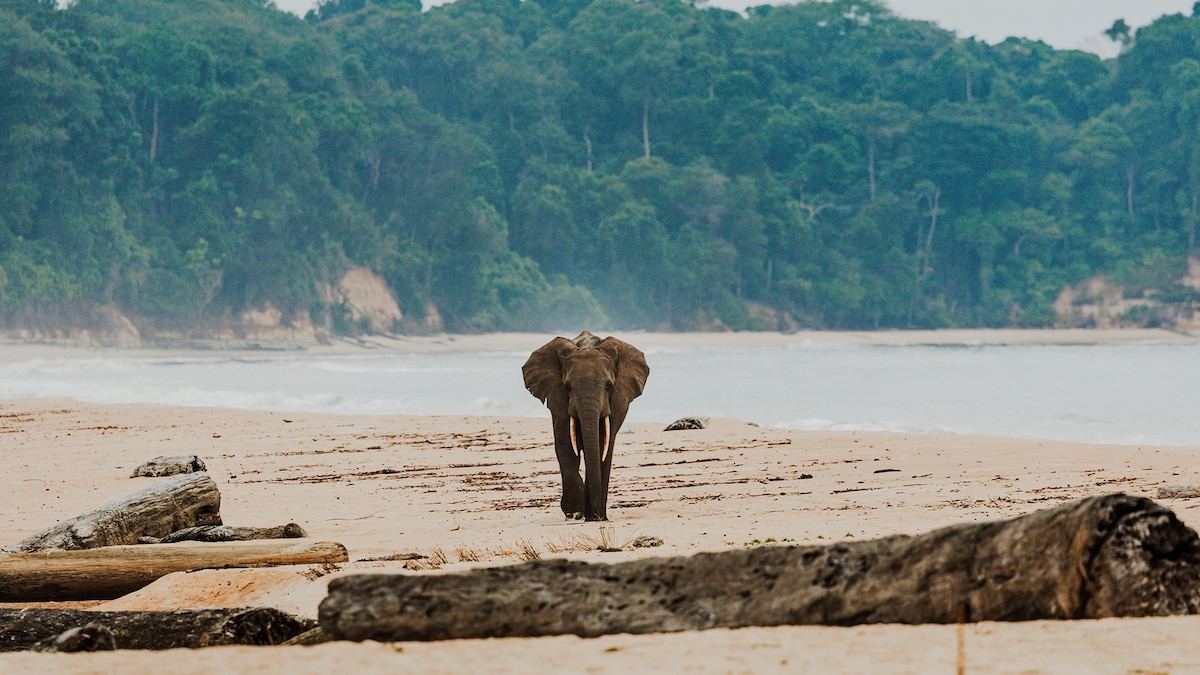
The line was first built for cargo: to carry timber and manganese from the interior to the sea. But every couple of days a passenger service also makes the slow, rattling journey. It crosses landscapes that are home to the world’s largest population of forest elephants, alongside lowland gorillas, hippos, chimpanzees, leopards and more than 700 bird species.
Writer and photographer Ben Buckland spent three weeks travelling the line, stopping at tiny stations and, from them, exploring beyond the tracks to some of the wildest places on the planet. Along the way, he found both the logging, poaching and human-wildlife conflict that threaten this landscape, and the communities, rangers and conservationists finding new and creative ways to protect it.
Début de l'article, extrait de National Geographic. Pour lire la suite, ouvrez l'article chez le média.
MarketNews présente le titre et le résumé publiés par le média. L'article complet se lit sur le site de l'éditeur. (www.nationalgeographic.com)