Asia’s way out of the Hormuz deadlock
Detailed summary
On November 11, Iran’s chief negotiator, Mohammad Bagher Ghalibaf, said the Strait of Hormuz will “never return” to its pre-war status, that Tehran has reached an understanding…
On November 11, Iran’s chief negotiator, Mohammad Bagher Ghalibaf, said the Strait of Hormuz will “never return” to its pre-war status, that Tehran has reached an understanding with Oman on managing it, and that Washington has yet to respond to Iran’s seven conditions.
Two days earlier, US President Donald Trump called the war “militarily effectively over” but said the US naval blockade at Hormuz would remain. Each side waits for the other to move first because neither expects the other to keep its word.
Asia’s oil importers, whose leaders meet in Shenzhen, China, for the APEC summit on November 18 and 19, are well positioned to change that calculation.
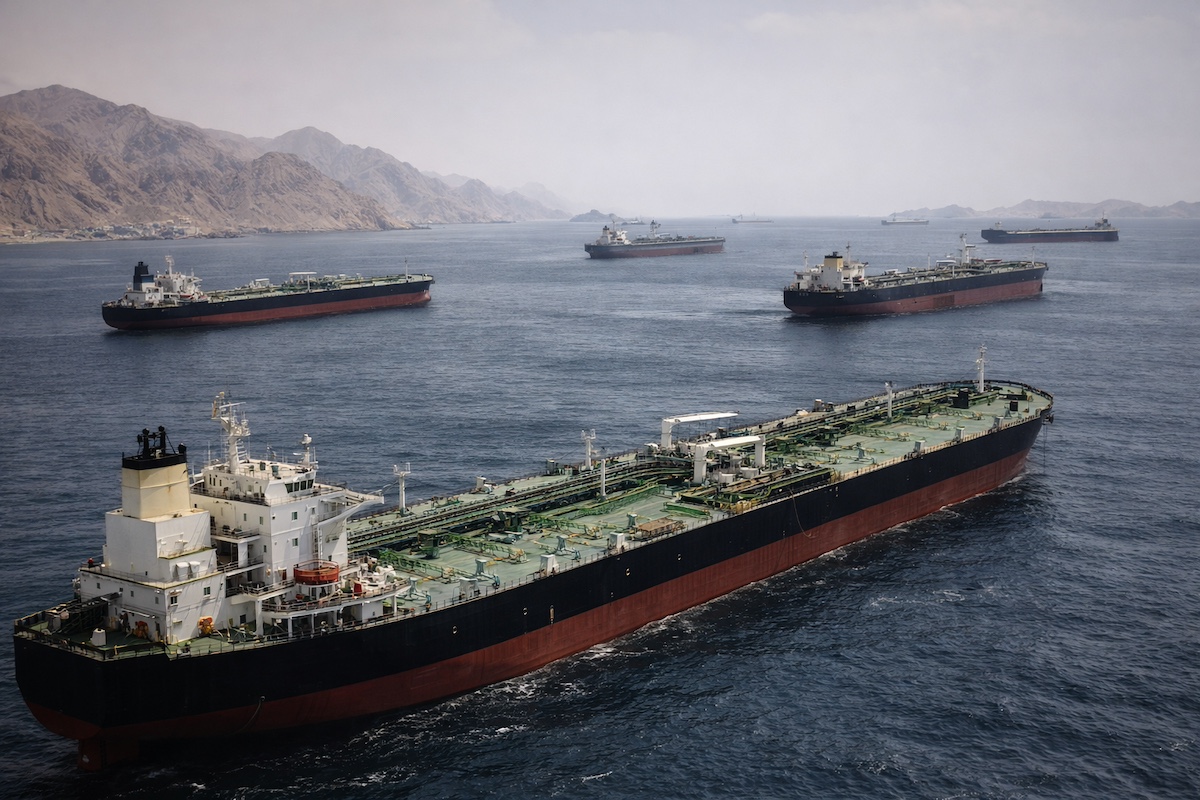
Asia has paid most of the cost of the closure. In 2025, nearly 15 million barrels a day of crude passed through Hormuz, and China and India alone received 44% of it, according to the International Energy Agency.
The Middle East supplied 94% of Japan’s crude imports last year, and 93% of that volume came through the strait, according to Japan’s trade ministry. Bangladesh, India and Pakistan imported almost two-thirds of their liquefied natural gas via Hormuz. On November 5, Brent rose US$3.67 to $98.29 a barrel after renewed tanker attacks.
The talks lack enforcement, not proposals. The Islamabad Memorandum of Understanding, which Pakistan helped broker alongside Qatar in June, collapsed within a month amid renewed strikes.
Iran now wants to ensure that released funds cannot be frozen again, while US officials insist any deal be performance-based, with no money flowing until Iran delivers. A durable deal needs a mechanism that pays Iran for an open strait over time and lets Washington verify compliance before money moves.
Transit fees cannot do that. Reuters has reported that Iran sought fees of 5% to 7% of cargo value, that Oman has discussed about 3% and that Washington wants none.
Asian importers should pay Iran for oil rather than for passage. Japan, South Korea and India, which stopped buying Iranian crude after 2018…
Opening of the article, excerpted from Asia Times. To read the rest, open the article on the publisher's site.
MarketNews shows the headline and summary published by the outlet. The full article is on the publisher's website. (asiatimes.com)