France's election rules bar big spenders like Musk and can derail maverick runs for the presidency
Detailed summary
France's campaign-financing rules are much stricter than those in the United States
France's campaign-financing rules are much stricter than those in the United States
PARIS -- There are no Elon Musk-like billionaire bankrollers in the race to succeed Emmanuel Macron as president of France.
Campaign-financing rules that govern French elections are far more restrictive than those in the United States and largely exclude private money.
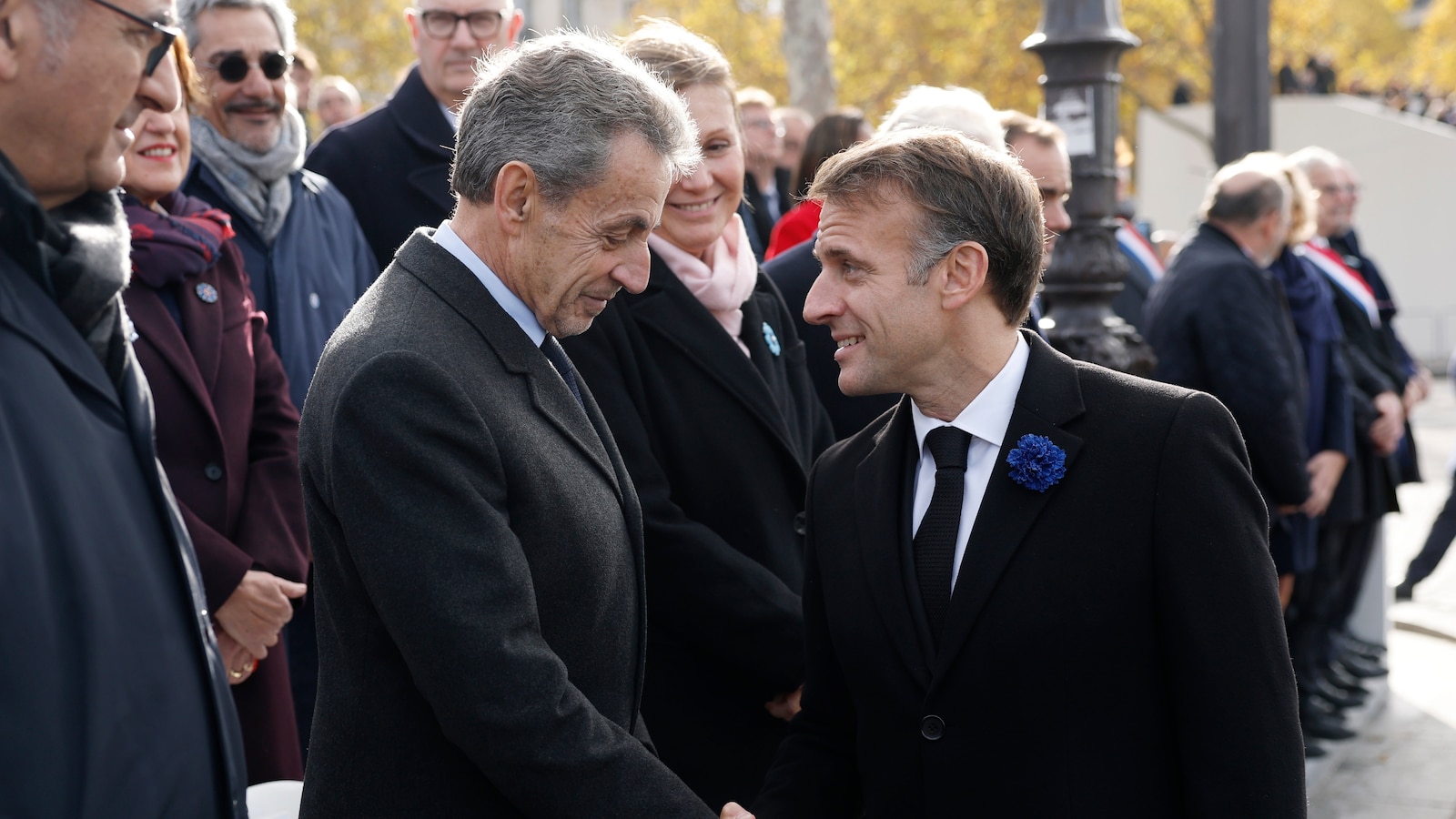
Violators can face prison. Former President Nicolas Sarkozy is awaiting an appeals court verdict on Monday in one of several cases involving his campaign spending in 2007 and 2012. Sarkozy was sentenced to five years in prison for his role in a scheme to obtain funding from the government of then Libyan leader Moammar Gadhafi.
For some critics, France's limitations on campaign financing produce elections that are too cash-starved and sober to excite voters.
Proponents say they help safeguard French democracy from the power of private wealth, so candidates win with ideas and personalities not because of money.
The public purse covers the bulk of candidates’ campaign costs. Limited donations from private individuals are permitted. Company donations are not.
The 12 candidates in the 2022 presidential contest that saw Macron reelected for his second and final term together declared 83.5 million euros ($91.6 million) in expenses. The state reimbursed just over half of their combined costs and their political parties paid for much of the rest. Together, they declared just 9 million euros ($9.9 million) in donations.
The combined spending was less than Musk alone spent mobilizing Donald Trump’s supporters in 2024.
Opening of the article, excerpted from ABC News. To read the rest, open the article on the publisher's site.
MarketNews shows the headline and summary published by the outlet. The full article is on the publisher's website. (abcnews.com)