A trick marketers use to sell you things can also persuade rats to enter traps – new study
Detailed summary
Why an impossible choice can make us choose differently.
Have you ever wondered why restaurants include outrageously expensive bottles of wine on their menus?
Often, those bottles aren’t expected to sell. Instead, they make the other wines seem better value even if they are still overpriced. By changing the context of the decision, the out-of-reach expensive option can nudge customers towards wanting the cheaper option more.
Marketers use similar tricks all the time. A holiday package that’s sold out, a premium subscription nobody really wants, or a product that’s clearly overpriced can all influence how we perceive the alternatives around them.
Behavioural economists call these influences “decoy effects”. They reveal that decisions are not always rational based on absolute value. Instead, they are often shaped by the options available at the time.
Humans aren’t the only animals making decisions. Every day, wild animals weigh up risks and rewards: whether to investigate a novel object, where to forage, or whether entering a trap is worth the potential danger.
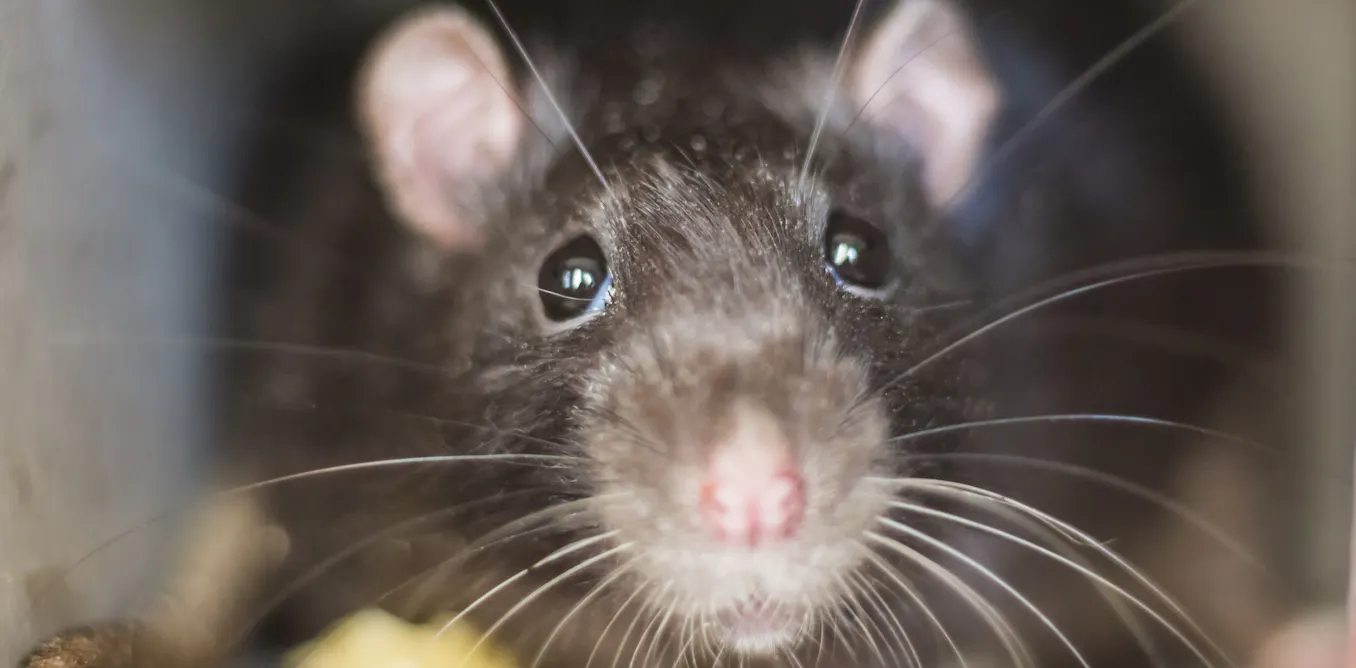
That got us wondering: could a decoy influence a rat? That was the subject of our new study, published today in The Journal of Applied Ecology.
Rats are among the world’s most successful and adaptable animals. They damage crops and infrastructure, spread disease, threaten native wildlife and cost economies billions of dollars every year in damages and pest control.
Despite more than a century of innovation and thousands of patented trap designs, trapping still depends on one crucial step: the animal must choose to enter the trap.
This seemingly simple decision is often where pest control programs fail.
Opening of the article, excerpted from The Conversation AU. To read the rest, open the article on the publisher's site.
MarketNews shows the headline and summary published by the outlet. The full article is on the publisher's website. (theconversation.com)