A divided Trump team closes ranks ahead of AI talks with China
Résumé détaillé
A new rule tightening loopholes in U.S. export controls sends a dual message to Beijing ahead of Thursday's summit.
This is read by an automated voice. Please report any issues or inconsistencies here.
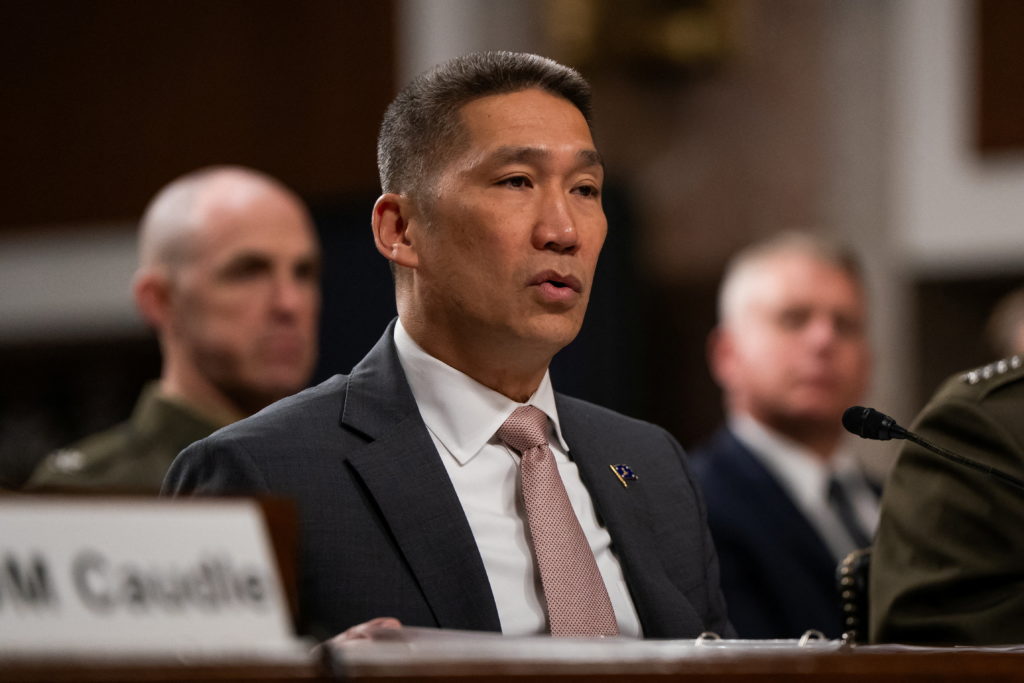
GUANGZHOU, China — Behind the scenes, Treasury Secretary Scott Bessent spent months pushing for action that would signal resolve within the Trump administration against China’s pursuit of the most powerful American computer chips, a flashpoint in their race for superiority in artificial intelligence, multiple sources said.
But Trump’s courtship of Xi Jinping, seeking to alleviate tensions among the world’s greatest powers, and a contingent of advisors skeptical of commercial warfare against Beijing slowed the process down — giving China months of opportunity to gain access to U.S. semiconductors through the back door.
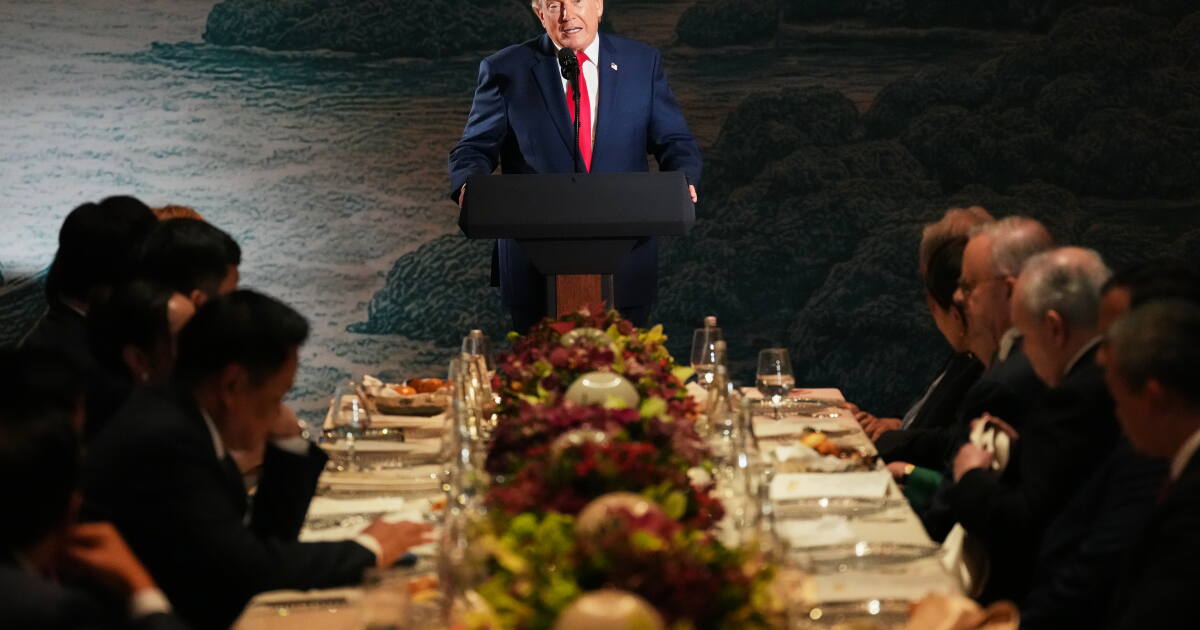
Ultimately, just hours before departing for Asia alongside President Trump, Bessent got his way, bolstering his position ahead of talks with Chinese officials in Shenzhen this week on the risks posed by frontier systems.
A new rule tightening loopholes in U.S. export controls sends a dual message to Beijing ahead of Thursday’s summit, that Washington is serious about curbing Chinese circumvention — and that China hawks within the administration may be gaining the upper hand.
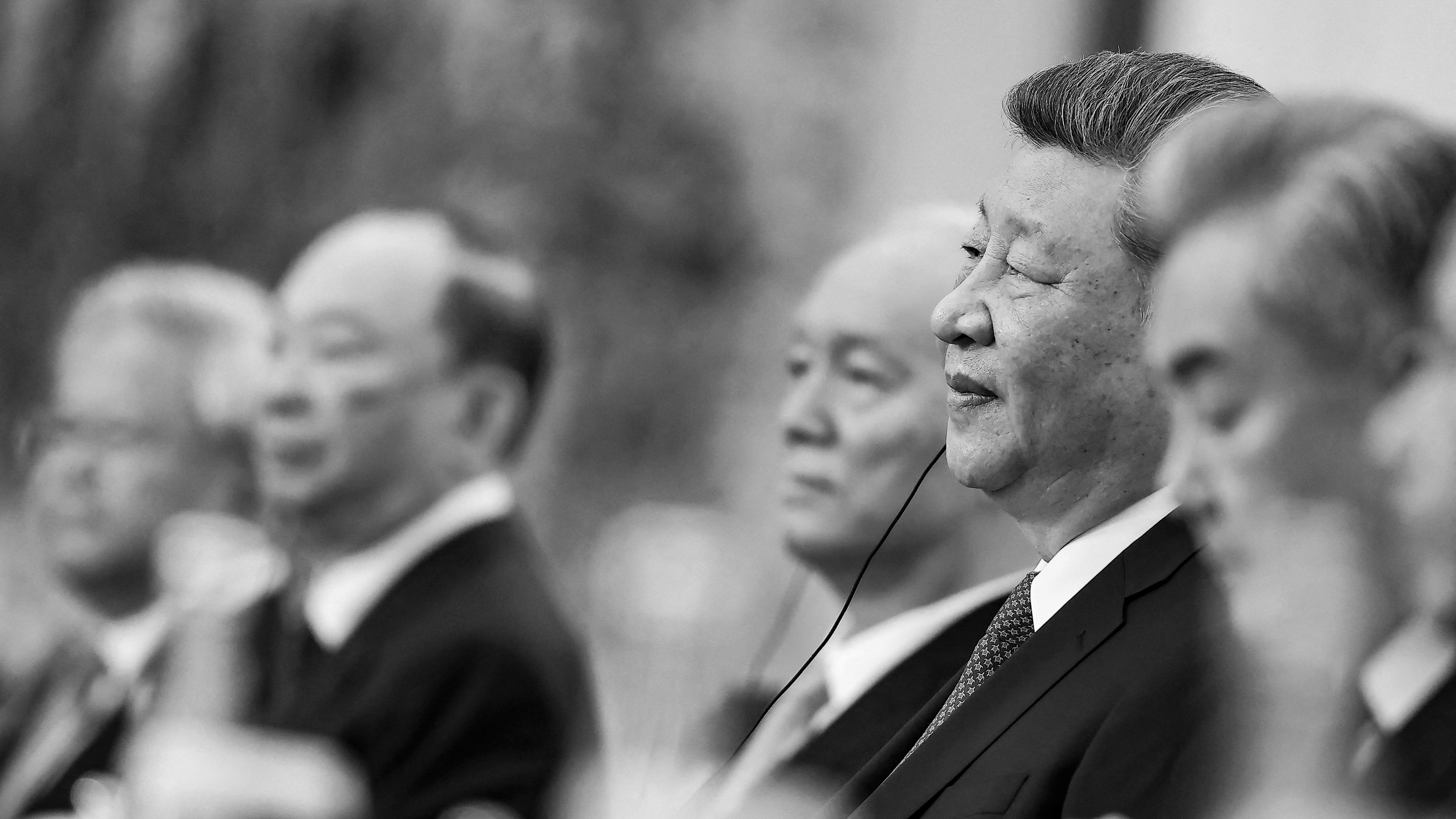
Trump has repeatedly sidestepped confrontation with Xi over the intensifying AI race in their two previous meetings this year, in Beijing and Washington, wary of upsetting a carefully managed détente and reluctant to jeopardize a technology boom increasingly central to the U.S. economy.
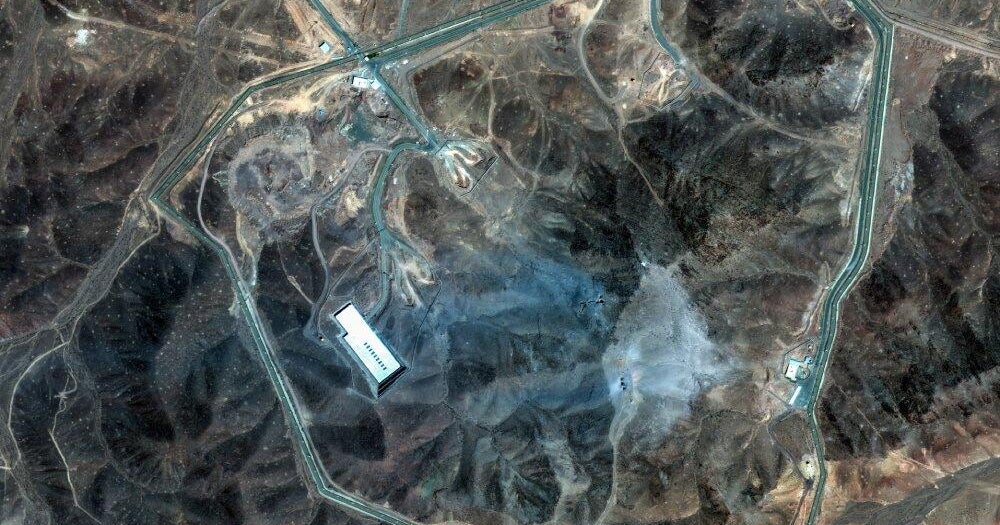
The new rules restrict remote access to advanced U.S. computing chips and servers, marking the latest step to limit China’s abilities to use U.S. chips to train their best AI models.
But the administration, from the president down, is acutely aware of China’s ambitions to dominate an industry that could reshape the global balance of power. That competitive drive was underscored this month by a scandal involving a Chinese espionage campaign targeting Jensen Huang, co-founder of Nvidia, the world’s leading AI chip maker.
Bef…
Début de l'article, extrait de Los Angeles Times. Pour lire la suite, ouvrez l'article chez le média.
MarketNews présente le titre et le résumé publiés par le média. L'article complet se lit sur le site de l'éditeur. (www.latimes.com)