Climbing up a Pangasinan hill, in the dark, to hear Rina’s story
Résumé détaillé
Upper middle income? Our field work in Pangasinan is proof that statistics cannot tell us what it feels like to live in a house without electricity
“Neighbors” is Rappler People section’s space for community and human interest stories told in a personal way.
PANGASINAN, Philippines – There are moments during the field work with University of Santo Tomas (UST) student researchers that made me stop and think about the lack of social justice in this part of the world. This is a story about one of those moments.
We agreed not to film the encounter that I am about to narrate regardless of how tempting it was to capture the drama of the situation. Lest you forget, we are researchers, not content creators. We are after the truth, not validation.
The scene I am referring to is that of Gabrielle (interviewer) and Rina (interviewee). Please note that I am not using the real name of the respondent to protect her privacy. The women are about the same age, but they were born in two separate social classes.
Gabrielle is studying at UST, whereas Rina was forced to stop schooling to prioritize her work as a canteen staff in Urdaneta City. Gabrielle is busy chasing her dreams, studying culinary arts in the oldest existing university in Asia with the help of some of the country’s best academicians. Meanwhile, Rina is busy trying to survive. She works so that she could help feed her mom, dad, and siblings.
If Gabrielle is reaching for her brightest stars, Rina only wants to survive. In this economy, Rina surely knows how to be realistic. Maybe her only prayer right now is to have electricity in their house one day. “Kung nakaluwag-luwag (once we can afford it),” as old people say. The sight was heart-wrenching, to say the least.
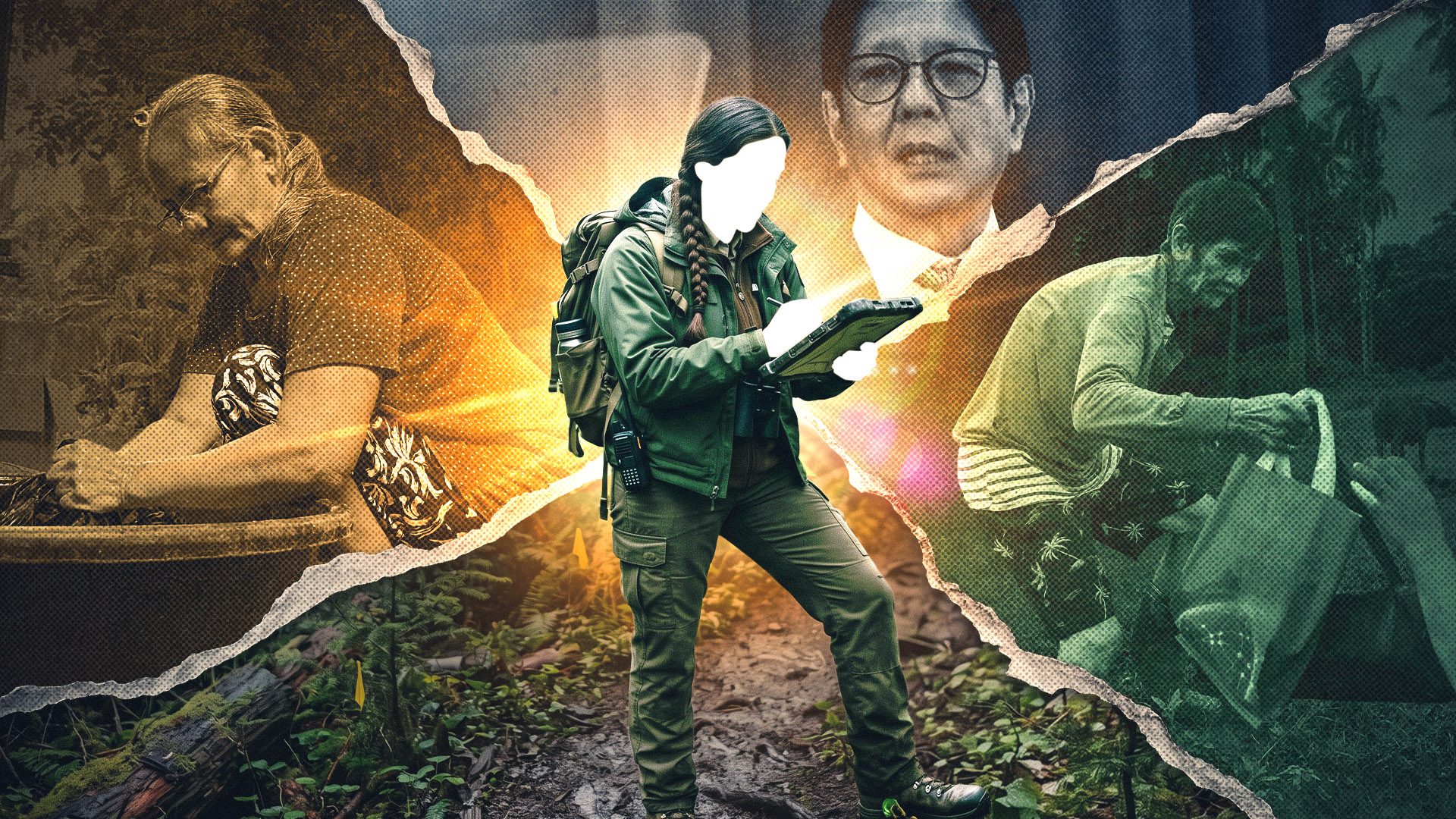
On October 3, we made our way up the hill to Rina’s house, where her family lives. By the time we arrived, the sun was already giving way to darkness. The family cannot afford electricity, so darkness is simply not the absence of light inside their house. It is part of their everyday life. At night, the family has only the stars and a few solar-powered lights to illuminate their home.
We interviewed the family…
T…
Début de l'article, extrait de Rappler. Pour lire la suite, ouvrez l'article chez le média.
MarketNews présente le titre et le résumé publiés par le média. L'article complet se lit sur le site de l'éditeur. (www.rappler.com)