For alpha-gal patients, allergy drug could cut the severity of reactions to red meat
Detailed summary
In a new study, people with a red meat allergy caused by ticks reported less frequent or less severe reactions when they took an allergy medicine called omalizumab, or Xolair.
There’s emerging evidence that the allergy drug omalizumab may reduce severe allergic reactions for alpha-gal syndrome, a red meat allergy triggered by a tick bite.
In a study presented Thursday at the annual meeting of the American College of Allergy, Asthma and Immunology, researchers found that 95% of participants using the drug experienced meaningful reductions in the frequency or severity of their allergic reactions. The study included 64 people with confirmed alpha-gal diagnoses who took omalizumab for an average of 23 months. The findings haven’t yet been published in a peer-reviewed journal.
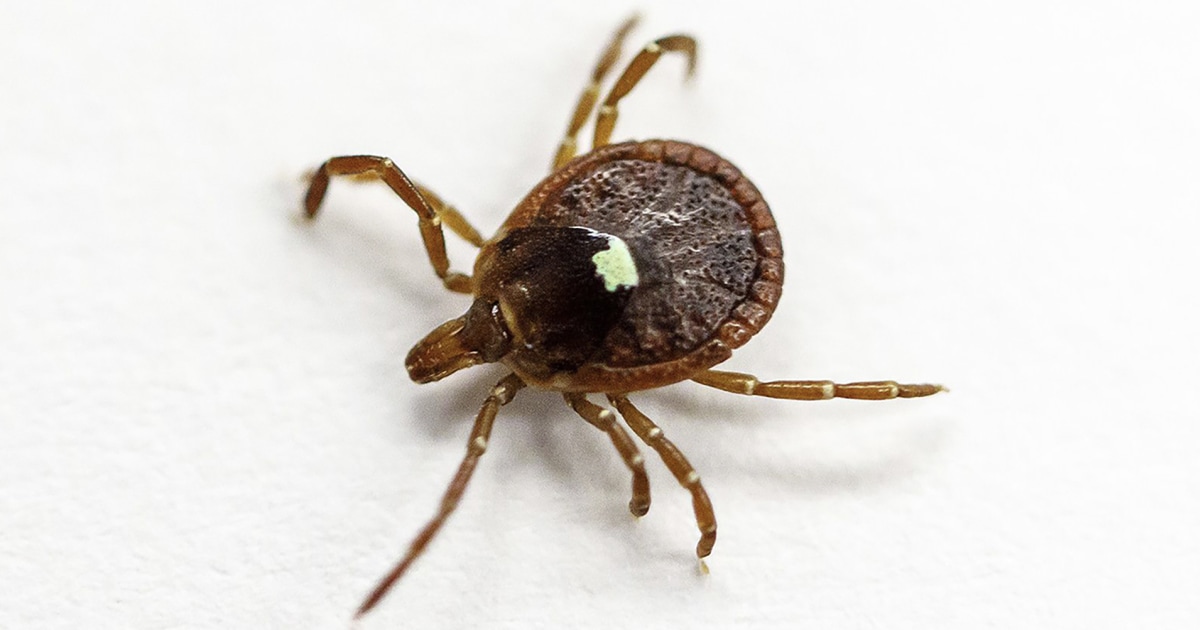
Alpha-gal syndrome is predominantly associated with the lone star tick. When the tick feeds on mammals like cows, deer, pigs and goats, it can pick up a sugar molecule in their blood called alpha gal. When the tick goes on to bite a human, it can transmit that sugar, which, in some people, can trigger an allergic reaction to red meat and, in some cases, gelatin and dairy products.
The allergic reactions can range in severity, from hives to severe stomach pain to life-threatening anaphylaxis, among other symptoms. Because of that, doctors typically advise patients to avoid red meat and meat-based soups and gravies, as well as to consider avoiding gelatin or dairy.
Omalizumab (brand name: Xolair) is already approved for people with severe food allergies, including peanut, egg and dairy allergies. It works by targeting immunoglobulin E (IgE), the antibody that drives allergic reactions, and removing it from the bloodstream.
“If you have less IgE, it’s going to take a much higher dose of an allergen to trigger a reaction,” said Dr. Erin McGintee, an allergy and immunology specialist at ENT & Allergy Associates and Stony Brook Medicine tick-borne disease adviser.
The drug isn’t a cure for food allergies, and people taking it still need to avoid the foods they are allergic to.
Candice Matthis, 46, of Charlottesville, Virginia, was diagnosed with alpha-gal syndrome in 2019 after 12…
“I…
Opening of the article, excerpted from NBC News. To read the rest, open the article on the publisher's site.
MarketNews shows the headline and summary published by the outlet. The full article is on the publisher's website. (www.nbcnews.com)