Genocide confirmed: Will ASEAN finally step up for the Rohingya?

详细摘要
Following the ICJ’s landmark genocide ruling against Myanmar, ASEAN faces a defining test: will it prioritize diplomatic convenience, or use its political leverage to secure genuine justice, citizenship and accountability for the Rohingya?
Your browser is out of date, and may not be compatible with our website. A list of the most popular web browsers can be found below. Just click on the icons to get to the download page.
Following the ICJ’s landmark genocide ruling against Myanmar, ASEAN faces a defining test: will it prioritize diplomatic convenience, or use its political leverage to secure genuine justice, citizenship and accountability for the Rohingya?
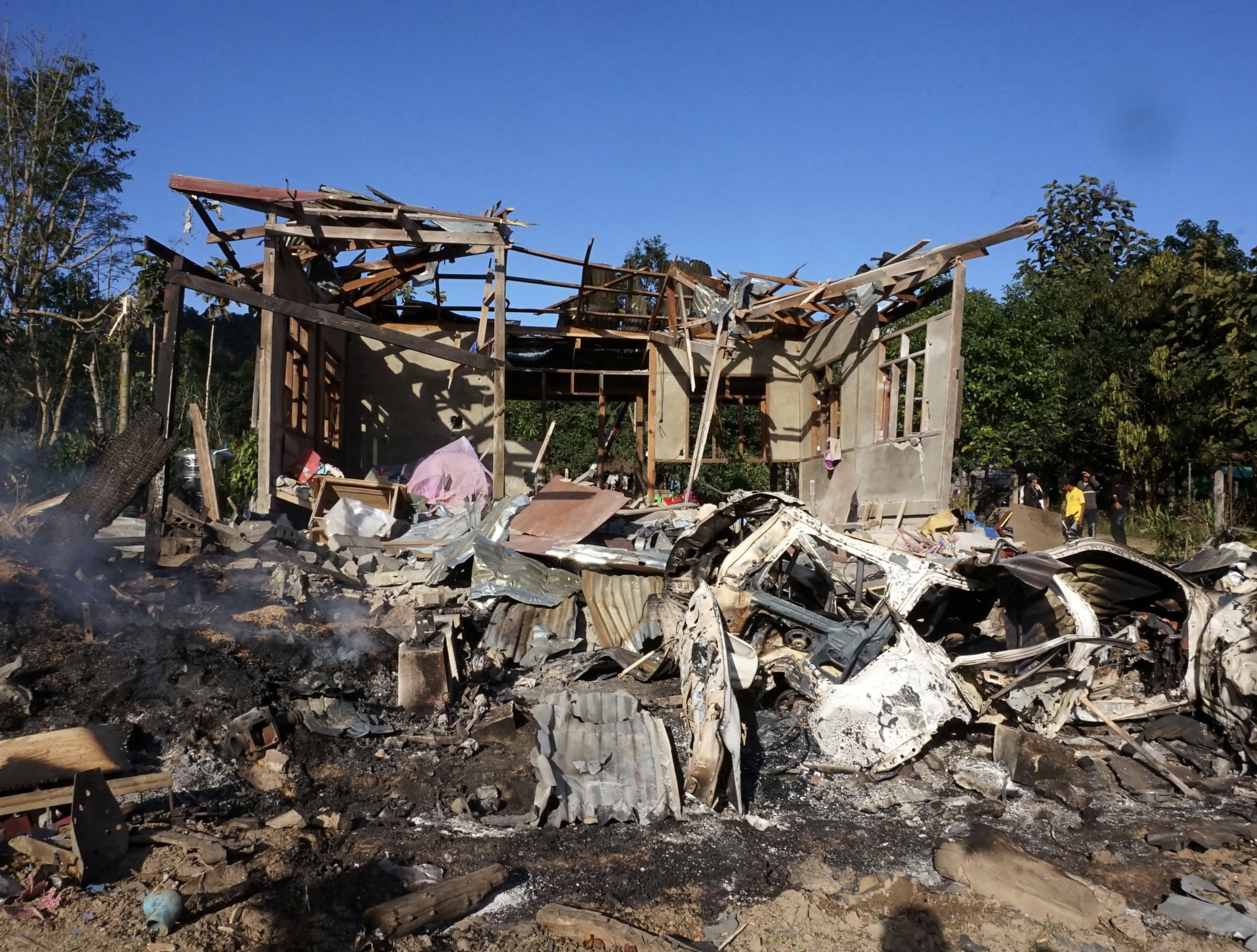
n Nov. 19, the International Court of Justice (ICJ) delivered a landmark judgment in The Gambia v. Myanmar, ruling that Myanmar had committed genocide against the Rohingya in 2017. The Court also found that Myanmar had failed to prevent and punish genocide and had violated its provisional order to preserve evidence. Consequently, the Court ordered Myanmar to investigate and prosecute those suspected of genocide, prevent future violations, provide reparations, and ensure the safe, voluntary and dignified return of displaced Rohingya.
The judgment affirms the Rohingya’s suffering, yet a legal victory is not synonymous with justice delivered. The central question is whether this ruling will translate into accountability and lasting change, or remain a declaration with limited consequences for its victims.
For ASEAN this is a defining test. It challenges whether regional stability can be pursued while the conditions that enabled genocide remain unaddressed. ASEAN must demonstrate that diplomatic engagement does not equate to accommodation, and that the principles of sovereignty and non-interference do not supersede its commitment to international law and human dignity.
First, ASEAN must actively support the implementation of the judgment. The ICJ established Myanmar’s state responsibility under the Genocide Convention rather than individual criminal guilt, which requires further investigation and prosecution.
Because the ICJ lacks its own enforcement mechanism, its authority relies on sustained political commitment.
This responsibility directly intersects…
文章开头,摘自The Jakarta Post。如需阅读全文,请前往媒体网站。
MarketNews 仅展示媒体发布的标题和摘要,全文请在出版方网站阅读。 (www.thejakartapost.com)