United Airlines Moves To Ban Use Of AI Agents In Booking Flights For Customers
Detailed summary
United Airlines Moves To Ban Use Of AI Agents In Booking Flights For Customers Authored by Jacob Burg via The Epoch Times,United Airlines is moving to ban the use of artificial…
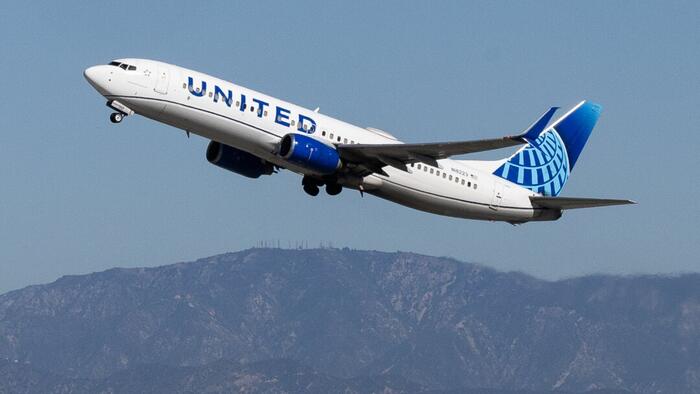
United Airlines is moving to ban the use of artificial intelligence (AI) agents to make flight reservations on behalf of customers over concerns of possible security risks and violations of federal regulations.
United warned travelers on Nov. 11 that sharing their account details with AI assistants could expose sensitive information and lead to "unintended purchases, account changes, or use of MileagePlus miles." For an AI agent to book a flight, a customer would have to give the model access to his or her personal account information, including payment credentials.
Allowing an AI agent to complete a flight check-in may also violate Federal Aviation Administration and U.S. Department of Transportation regulations, the airline noted, because flight check-ins require a human acknowledgment that bags "do not contain banned substances like explosives."
"As a result, United is taking steps to restrict access - directly within our digital platforms and indirectly via travel agencies and aggregators - to prohibit use by unauthorized, third-party personal AI agents or assistants. This work includes updates to our booking, ticketing, and distribution policies," the company said in a news release.
AI companies have begun rolling out agents that users can direct to make purchases on their behalf, including Meta's Muse and OpenAI's dots.
Walmart has also unveiled an AI agent dubbed Sparky that can help customers search for product deals, summarize reviews, and assist with ordering.
But some warn that giving AI agents access to payment information could expose customers to risks. Earlier this year, tech start-up founder Sebastian Heyneman asked an AI bot to help him secure a speaking spot at the World Economic Forum in Davos, Switzerland.
The AI agent then violated his original instructions and agreed to pay roughly $31,000 for a corporate sponsorship spot, Heyneman said, adding that he didn't have the money to pay the bill.
These potential problems make it a "reasonable move" for…
Opening of the article, excerpted from ZeroHedge. To read the rest, open the article on the publisher's site.
MarketNews shows the headline and summary published by the outlet. The full article is on the publisher's website. (www.zerohedge.com)