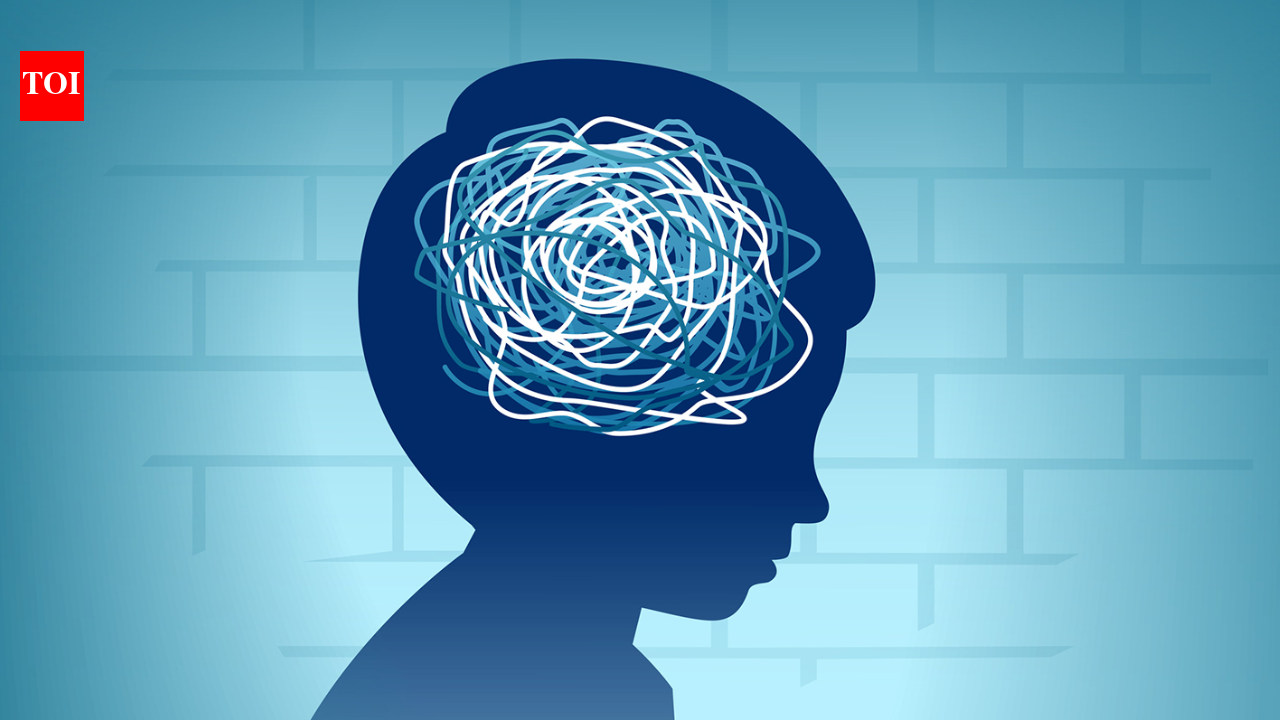
AI Identifies Three Brain Patterns: Stanford study finds 3 child biotypes; patterns may inform targeted care
Résumé détaillé
Stanford Medicine researchers identified three distinct brain patterns in children diagnosed with ADHD and anxiety. Their study suggests differences in brain connectivity can…
Children diagnosed with attention-deficit/hyperactivity disorder (ADHD) and anxiety may display similar symptoms, but the underlying brain patterns associated with their difficulties could be quite different. A new study led by Stanford Medicine researchers, published in Nature Mental Health on October 16, 2026, has identified three distinct brain patterns in children with these conditions, potentially offering a new way to understand why they experience emotional and behavioural difficulties differently. The research, also reported by Stanford University and indexed by the National Library of Medicine, uses artificial intelligence to examine how different regions of the brain communicate.
Début de l'article, extrait de Times of India. Pour lire la suite, ouvrez l'article chez le média.
MarketNews présente le titre et le résumé publiés par le média. L'article complet se lit sur le site de l'éditeur. (timesofindia.indiatimes.com)