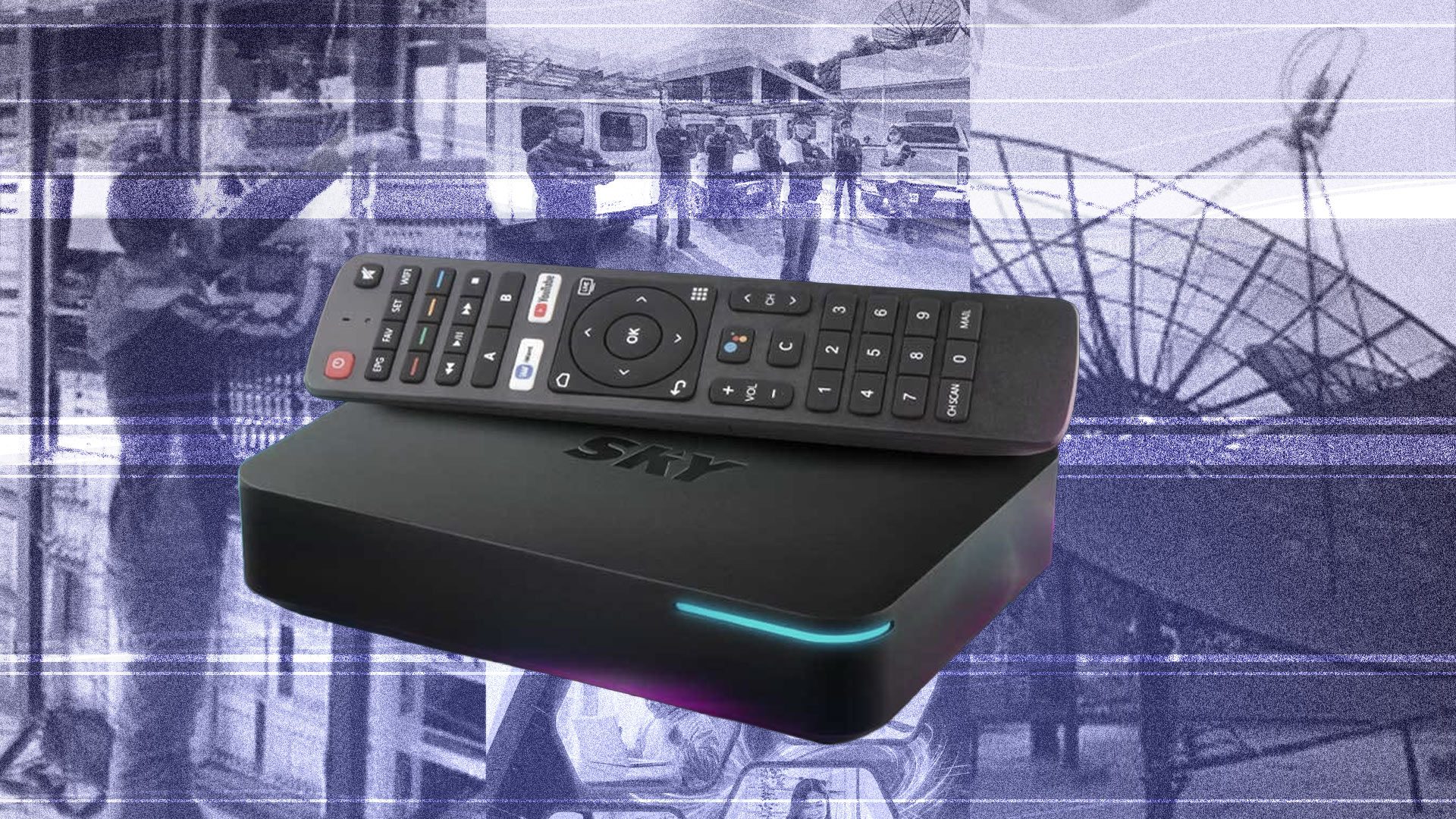
The Sky Cable paradox: From ABS-CBN’s second business to its burden
Résumé détaillé
Can Sky Cable become financially strong enough to stop depending on the company it was supposed to help?
This is AI-generated. Read the article for full context. Report any errors.
ABS-CBN spent decades building Sky Cable into a second business that could make money outside of free television. It bought smaller cable companies, expanded into home internet and satellite TV, and borrowed billions of pesos to pay for that growth. Those choices made sense at the time, but some of the technologies Sky bet on eventually fell behind newer rivals and changing viewer habits. The bank loans, however, never went away. What started as a plan to make ABS-CBN stronger turned into another heavy financial burden for a parent company already struggling to recover from losing its free TV franchise.
Open ABS-CBN’s latest financial report and two main businesses stand out. One makes TV shows, movies, music, and live concerts. The other sells cable TV and home internet subscriptions. Both lost money in the first nine months of 2026, though they face very different problems. Content Production and Distribution—the business behind Batang Quiapo, It’s Showtime, BINI, and Star Cinema—brought in nearly P9 billion in sales, making up more than 85% of ABS-CBN’s total revenue. Still, its costs were higher than its sales, leaving it with a loss of about P2 billion.
When ABS-CBN’s Channel 2 was the Philippines’ leading free TV network, advertising paid for much of its operations. But ad money rises and falls with the economy since companies spend more when business is good and cut their ad budgets during hard times. Cable television offered something steadier: households paid monthly subscription fees, providing a more regular source of income. Sky Cable also gave ABS-CBN a way to air its own channels, including ANC, Cinema One, Myx, and Lifestyle Network, later renamed Metro.
The Lopez group grew Sky by merging it with other cable companies, including Home Cable in 2004, Destiny Cable, Solid Broadband, and UNI Cable TV in 2012, and internet provider Tri-Isys in 2017.
Début de l'article, extrait de Rappler. Pour lire la suite, ouvrez l'article chez le média.
MarketNews présente le titre et le résumé publiés par le média. L'article complet se lit sur le site de l'éditeur. (www.rappler.com)