Netanyahu’s grip on Israeli parliament weakens
Résumé détaillé
Israeli caretaker Prime Minister Benjamin Netanyahu’s grip on parliament is showing signs of weakening as two significant pieces of legislation targeting him advance through parliamentary committees, challenging his political standing amid mounting pressure over his leadership and ongoing corruption trial.
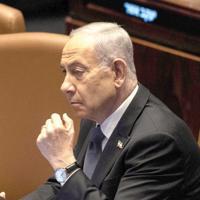
Caretaker prime minister Benjamin Netanyahu attends the parliamentary meeting of the Israeli parliament (Knesset) In Jerusalem on November 25, 2026. (AFP Photo)
Israeli caretaker Prime Minister Benjamin Netanyahu’s grip on parliament is showing signs of weakening as two significant pieces of legislation targeting him advance through parliamentary committees, challenging his political standing amid mounting pressure over his leadership and ongoing corruption trial.
The Knesset, Israel’s parliament, on Nov. 25 advanced a bill to establish a state commission of inquiry into the security failures surrounding Hamas’ 2023 attack, an investigation Netanyahu has long opposed.
The legislation, introduced by a lawmaker from centrist Gadi Eisenkot’s party, passed its preliminary reading with 65 votes in favor and 50 against in the newly formed parliament, marking the first step toward establishing an independent state commission with extensive investigative powers.
Eisenkot, who is seeking to become prime minister, pledged during his election campaign to swiftly establish an independent inquiry into the failures that allowed the Hamas-led attack.
Netanyahu, who was in office at the time of the assault and had long presented himself as the guarantor of Israel’s security, has repeatedly rejected calls for an independent investigation.
Instead, he has advocated for an alternative commission whose members would be appointed by politicians, a proposal critics say would undermine its independence.
The second bill, also approved in a preliminary reading on Nov. 25, seeks to limit a prime minister’s tenure to eight consecutive years.
Under the proposed amendment to Basic Law: The Government, a prime minister who completes eight consecutive years in office would have to wait another eight years before being eligible to return to the post.
Début de l'article, extrait de Hürriyet Daily News. Pour lire la suite, ouvrez l'article chez le média.
MarketNews présente le titre et le résumé publiés par le média. L'article complet se lit sur le site de l'éditeur. (www.hurriyetdailynews.com)