First soil, water tests after Iowa lead-azide blast show negligible contamination, EPA says
Résumé détaillé
Nov 28 - Lab results from the first soil and water samples collected after the US Army detonation of an aging stockpile of lead-based explosives in Iowa found negligible levels of…
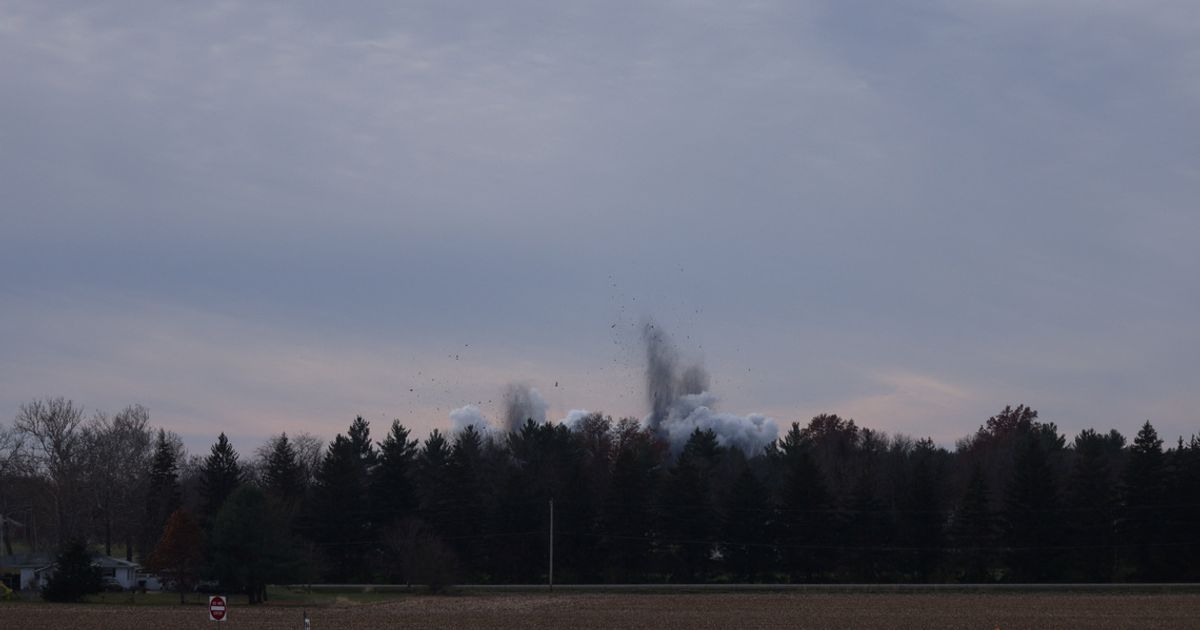
Nov 28 - Lab results from the first soil and water samples collected after the US Army detonation of an aging stockpile of lead-based explosives in Iowa found negligible levels of contamination attributed to the blast in surrounding areas, the US government reported on Saturday.
The Environmental Protection Agency posted its readings online three days after the Army blew up nearly 5 tons (4,500 kg) of highly volatile lead azide stored in 68 degrading plastic drums.
The orchestrated demolition was carried out in two simultaneous explosions at an Army munitions depot in the tiny farming town of Middletown, Iowa, about 150 miles southwest of Des Moines, the state capital.
According to initial lab results from 88% of post-detonation samples taken by the EPA, measurable concentrations of lead in soil, water and drinking supplies were no higher after the blast than levels found in samples taken beforehand.
In a statement posted on X on Saturday, the EPA said the first lab results indicated the Army's "controlled detonation ... did not result in an elevation of lead in the water bodies that act as drinking water sources" and that there were "no detection of lead in drinking water sources taken after the detonation".
The EPA said its teams had collected more than 1,600 air, water, soil and dust samples after the detonation, roughly the same number taken before the blast, and that 187 homes and other structures were assessed, including schools, playgrounds, churches and daycare centers.
Residents living closest to the Iowa Army Ammunition Plant were evacuated in advance of Wednesday's detonation as a precaution, while others sheltered in place inside their homes to avoid exposure to any lead dust emitted from the blast.
Immediately following the detonation, the Army and EPA said emission monitors had detected zero levels of airborne lead in the surrounding region, and an all-clear notice later in the day advised residents they were free to resume normal activities.
The EPA said on…
Début de l'article, extrait de The Straits Times. Pour lire la suite, ouvrez l'article chez le média.
MarketNews présente le titre et le résumé publiés par le média. L'article complet se lit sur le site de l'éditeur. (www.straitstimes.com)