Costco Hasn't Split Its Stock Since 2000. Here's Why 2027 Could Be the Year.
Résumé détaillé
A four-digit share price has investors wondering if a stock split is on the table next year.
Forward stock splits receive a lot of attention from investors. It might be because this move reminds shareholders how well the business has performed in the past. And it's a signal of confidence from the management team that executives are optimistic about the future. Investor psychology gets a boost.
If we focus just on the fundamentals, nothing really changes. Operations resume as normal. The same employees sell the same products and services to the same customers. It's business as usual.
The data is still worth highlighting. According to Bank of America and Bloomberg, companies that undergo a forward stock split see their share prices rise an average of 25% over the subsequent 12 months. Naturally, investors try to figure out who the next big candidates are, so they can potentially capture sizable gains in their portfolios.
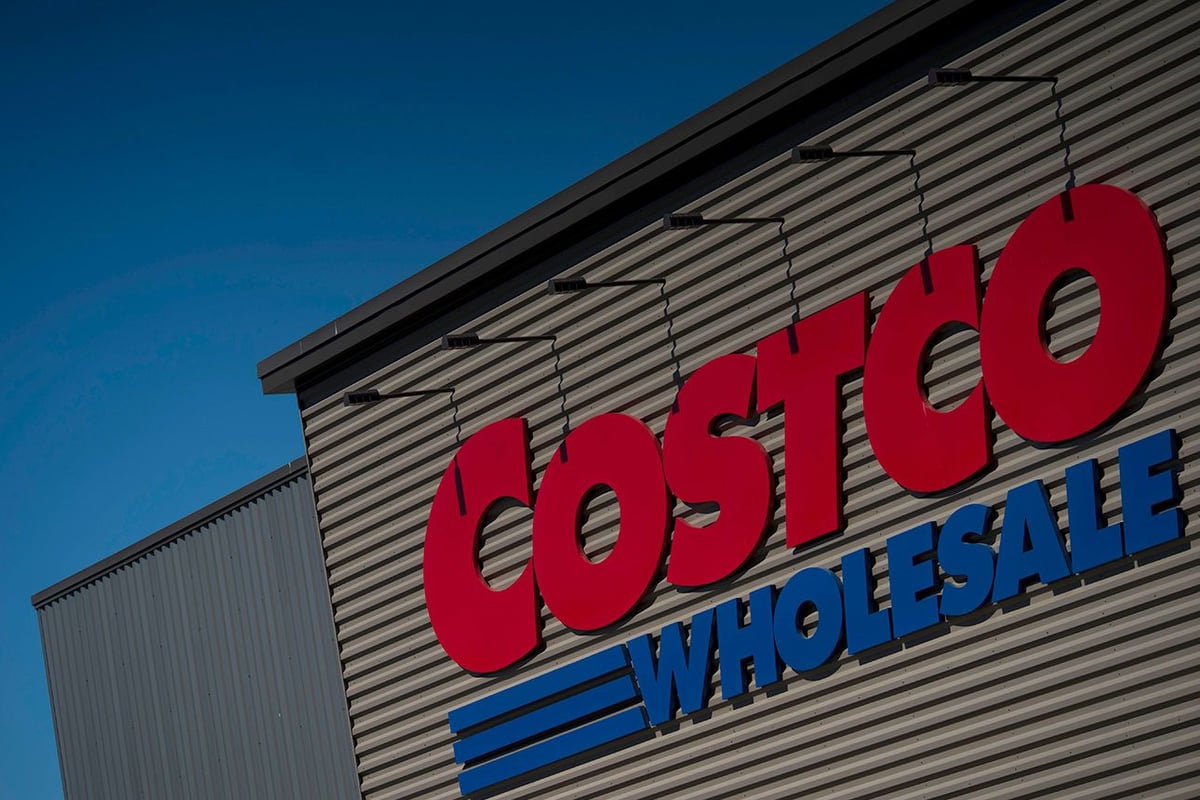
This brings up Costco (COST +2.23%). It hasn't split its stock since 2000, but it could take action next year. Here's why.
Costco's board of directors approved a 2-for-1 split on Dec. 2, 1999. It took effect on Jan. 14, 2000, turning a roughly $98 stock into a $49 one.
The business was performing well. Net revenue jumped 16% year over year in Q1 2020, and net income totaled $129.3 million.
Shares were pricey, too. The price-to-earnings (P/E) ratio hit 44.3 at the start of 2000. In that era, split-adjusted prices were the standard way to keep an expensive stock within reach of everyday investors.
Fast-forward to today. Costco closed at $1,097.91 on Nov. 23, more than 11 times the price that triggered the last split. In fiscal 2026 (ended Aug. 30), net sales rose 10.1% to $297.2 billion, and diluted earnings per share (EPS) climbed 14% to $20.76. The trailing P/E is near 53.
Record share price. Healthy growth. A premium valuation. Today's setup rhymes with 2000.
Début de l'article, extrait de The Motley Fool. Pour lire la suite, ouvrez l'article chez le média.
MarketNews présente le titre et le résumé publiés par le média. L'article complet se lit sur le site de l'éditeur. (www.fool.com)