Sydney researcher behind breakthrough cancer vaccine wins PM’s science prize
Detailed summary
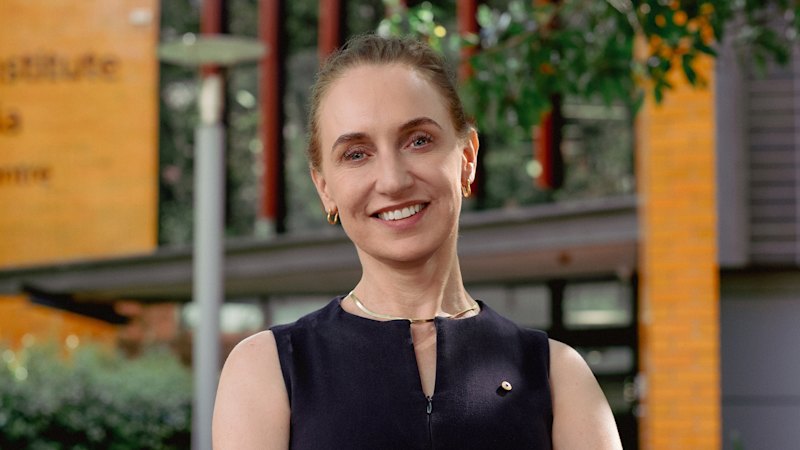
Professor Georgina Long has been recognised for her role in transforming melanoma from a death sentence into a treatable disease.
The Sydney researcher who transformed melanoma from a death sentence into a treatable disease has won the prestigious Prime Minister’s Prize for Science in recognition of her work at the forefront of precision cancer treatments.
Professor Georgina Long, who was, with the late Professor Richard Scolyer, the 2024 Australian of the Year, was honoured with the award on Tuesday evening for groundbreaking research that improved survival tenfold for people with stage 4 melanoma, and 24-fold for those with brain metastases.
“Science does not get the limelight often enough, yet it underpins everything we do,” Long told this masthead. “It is not just a person in a lab coat at a bench.”
Long’s recent landmark trial of an mRNA therapeutic melanoma vaccine – which found combining a tailor-made vaccine with an immunotherapy drug reduced the risk of melanoma recurrence or death by 42 per cent – was not included in her nomination as its results were published too recently.
Long, who is medical director at the Melanoma Institute Australia, affiliated with the University of Sydney, said the award was an opportunity to recognise the value of investing in Australian science.
“We are a small and mighty country punching above our weight,” she said. “We come from an age where science has not been celebrated as it should be, and [not recognised for] how fundamental it is to everything we do.”
Long shared the award with Adelaide University’s Professor Anthony Thomas, a physicist whose discoveries have reshaped how humanity understands matter, antimatter, dark matter and neutron stars.
His research was credited with transforming international understanding of the structure of the proton, one of the fundamental building blocks of the universe, and for establishing Australia as a major player in global physics.
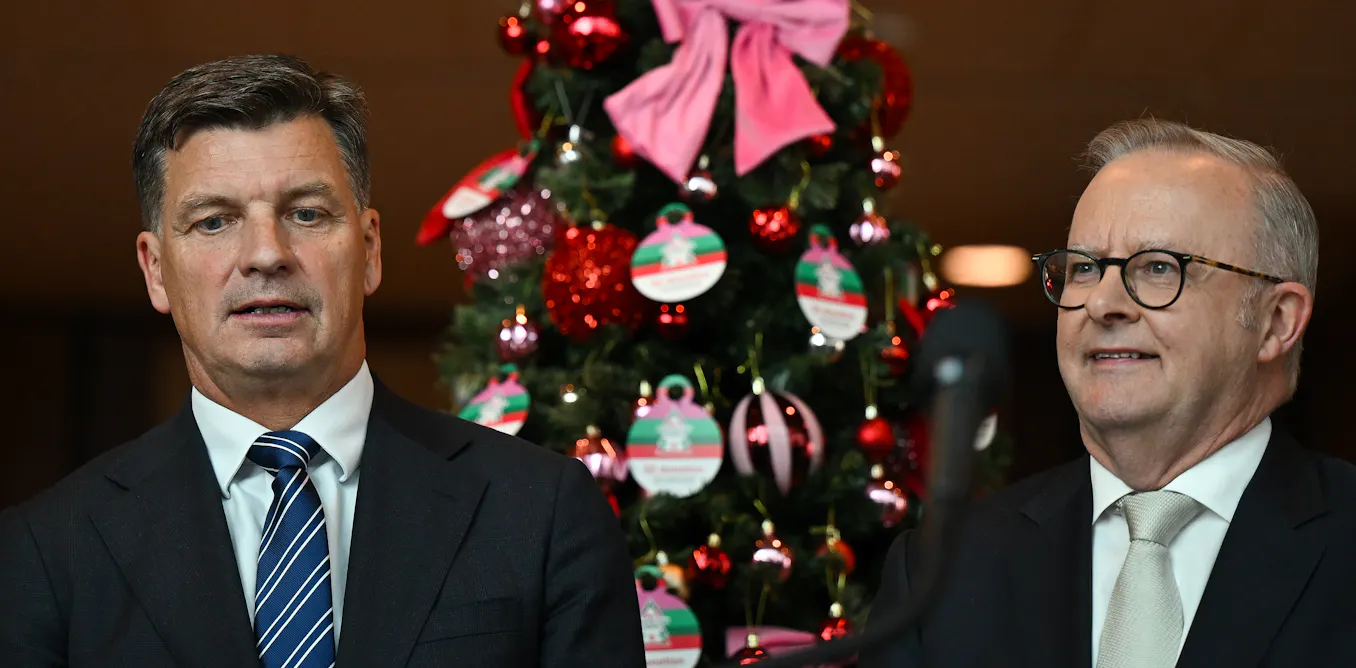
Prime Minister Anthony Albanese said this year’s winners prove Australian science and scientists matter. He said the recipients were “helping pave a path to a brighter, smarter Australia”.
Opening of the article, excerpted from WAtoday. To read the rest, open the article on the publisher's site.
MarketNews shows the headline and summary published by the outlet. The full article is on the publisher's website. (www.watoday.com.au)