The physics behind Sandpapergate, according to a NASA expert in aerodynamics
Detailed summary
When former Test batsman Cameron Bancroft took sandpaper to the field in Cape Town, there was science behind the decision.
You've used all of your gift articles. 3 more will become available on the 1st of every month.
In the high-stakes, high-speed realm of professional sports, tiny tweaks to a ball can exert pivotal changes in the physics of how the object moves.
We can observe these changes most keenly where airflow and pressure interact with a ball’s surface to influence its spin, speed and direction.
Tennis players, for example, are fussy about the ball they select for a first serve because they want a newer, less-fluffy option, which has the smallest amount of drag and will bullet towards their opponent fastest.
But what if a ball has more texture and turbulence on one side than the other? This is where things get interesting. And if you’re an under-pressure Test cricket fast bowler, they get utterly tantalising.
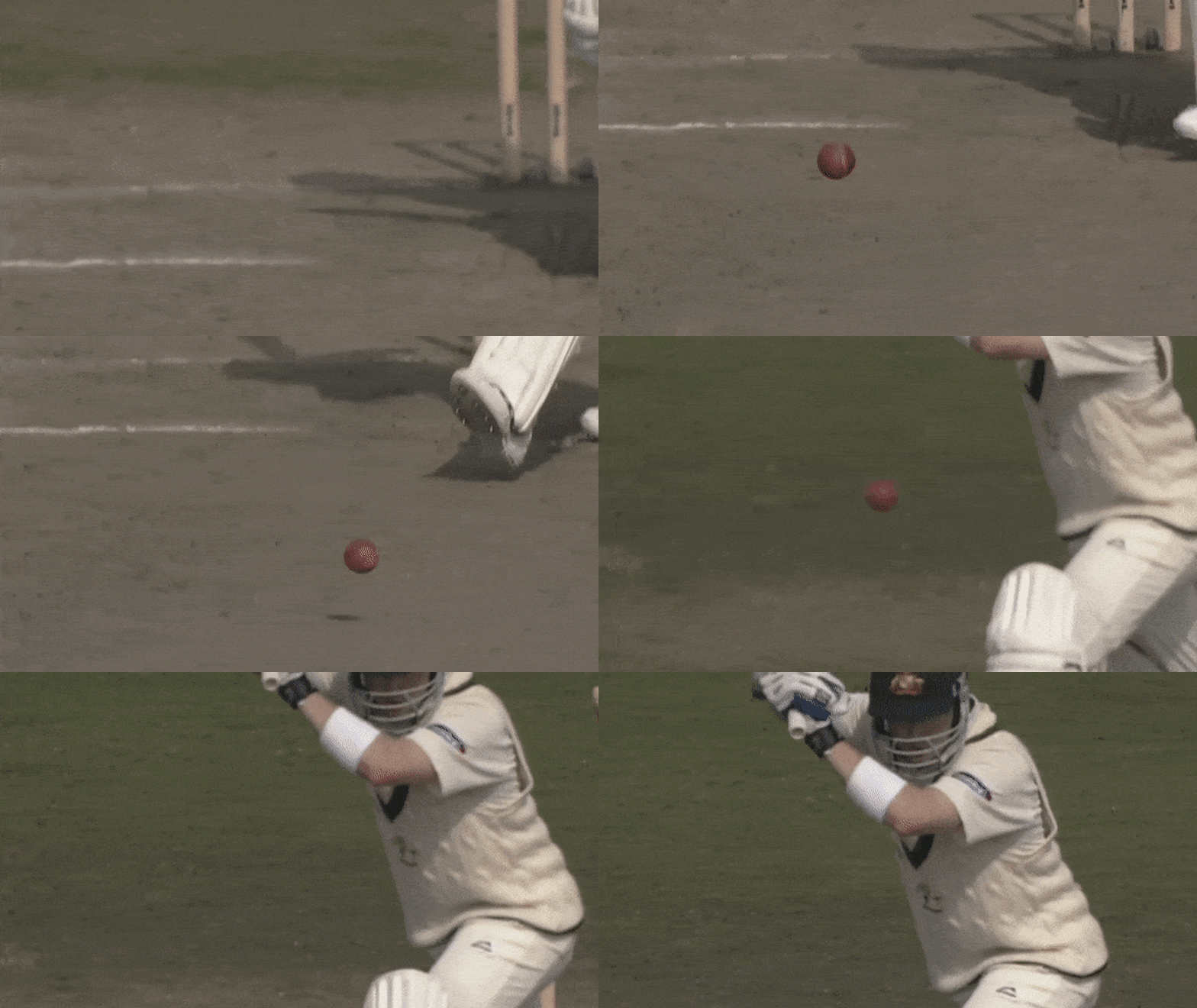
“Reverse swing” is the counter-intuitive, batsman-bamboozling phenomenon the (disputed) architects of Sandpapergate were attempting to summon during the 2018 Test in Cape Town.
If a bowler pulls it off, the ball swings the opposite way to what you’d normally expect, making for deceptive movement that’s difficult to defend.
How it can be achieved has been subject to feverish guesswork and myth over the decades since Pakistani players, including former captain Imran Khan, mastered the method.
There’s no better person to explain the phenomenon than Dr Rabindra Mehta, a NASA aerodynamics researcher, former fast bowler and a school friend of Khan’s.
Opening of the article, excerpted from The Sydney Morning Herald. To read the rest, open the article on the publisher's site.
MarketNews shows the headline and summary published by the outlet. The full article is on the publisher's website. (www.smh.com.au)