Iran's former IRGC Khatam al-Anbiya deputy says nuclear fatwa can change
Résumé détaillé
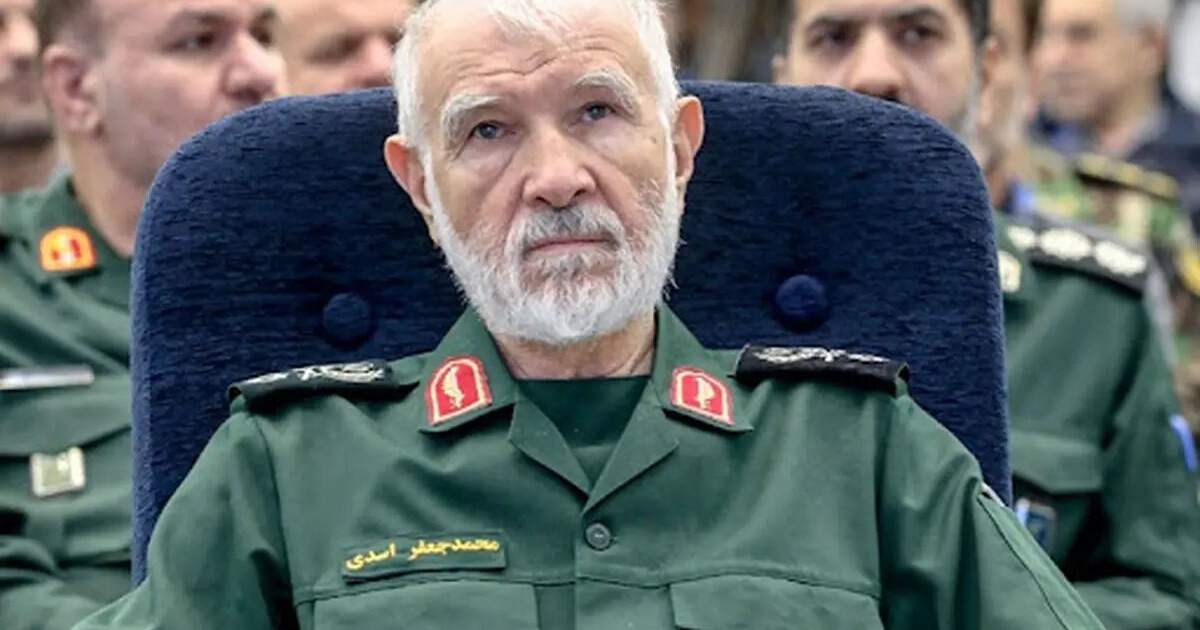
Mohammad Jafar Asadi, former deputy commander of the IRGC's Khatam al-Anbiya Central Headquarters, was answering a question about the religious permissibility of building atomic…
Religious rulings can change over time, with Islamic clerics potentially reaching different conclusions on the same issue, a senior Iranian Revolutionary Guards commander said Sunday.
Mohammad Jafar Asadi, former deputy commander of the IRGC's Khatam al-Anbiya Central Headquarters, was answering a question about the religious permissibility of building atomic bombs when he told Iranian media that such rulings depended on the views of qualified Islamic jurists, known as mujtahids.
"Religious rulings can change," Asadi said. "One jurist may say it is obligatory, while another may say it is recommended or discouraged."
His remarks highlight the flexibility of religious interpretations under Shiite jurisprudence and raise questions about the durability of the nuclear weapons ban attributed to the late Supreme Leader Ali Khamenei. Tehran has long cited Khamenei's religious decree, or fatwa, prohibiting nuclear weapons as evidence of its commitment to a peaceful nuclear program.
The comments come amid growing debate in Iran over changing its nuclear doctrine following US and Israeli strikes on its nuclear facilities. Foreign Minister Abbas Araghchi said Saturday that supporters of developing nuclear weapons had their arguments, but emphasized that Iran's official nuclear policy remained unchanged.
Début de l'article, extrait de Iran International. Pour lire la suite, ouvrez l'article chez le média.
MarketNews présente le titre et le résumé publiés par le média. L'article complet se lit sur le site de l'éditeur. (www.iranintl.com)