The world needs more Geneva Conventions, come hell or high water — Phar Kim Beng and Shahiran Kamaruzaman
详细摘要
The world is entering an era when the use of military force is increasingly treated as an instrument of first resort rather than the last. Yet the more ...
NOVEMBER 16 — The world is entering an era when the use of military force is increasingly treated as an instrument of first resort rather than the last. Yet the more wars proliferate, the more urgent it becomes to strengthen the international conventions that restrain them. The world does not need fewer Geneva Conventions. It needs more of them. Come hell or high water.
The four Geneva Conventions of 1949 emerged from the devastation of the Second World War. Their fundamental purpose was to establish that even warfare must have limits. Civilians must be protected. Prisoners of war must be treated humanely. The wounded and sick must receive medical care. Hospitals and humanitarian personnel must not become deliberate targets.
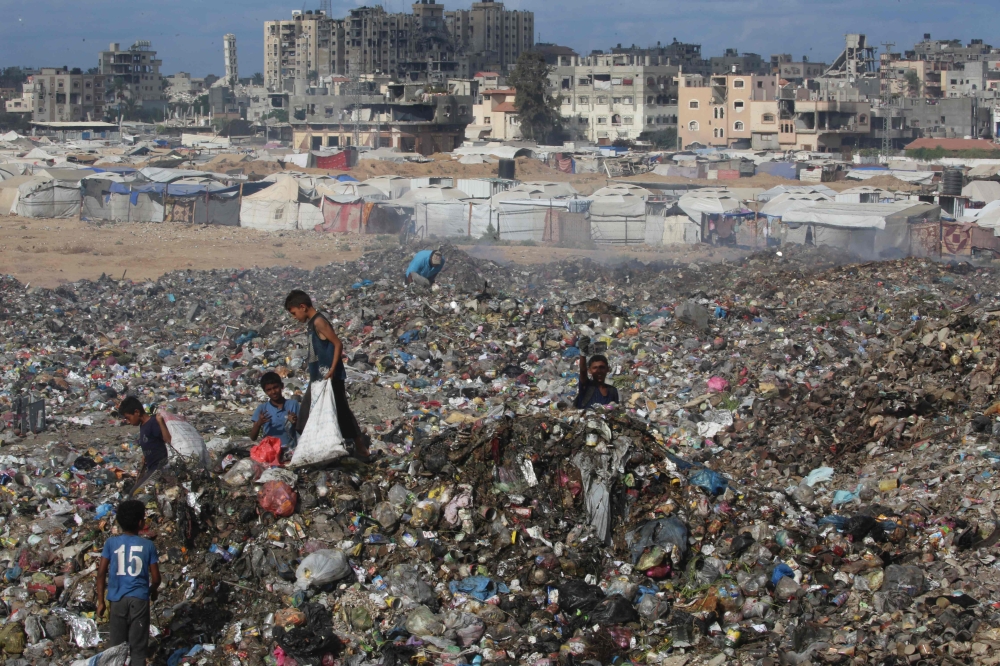
These are not optional expressions of goodwill. They are legal obligations rooted in international humanitarian law. Yet the conflicts of the twenty-first century have exposed how difficult it has become to enforce these obligations. From Ukraine to Gaza, from Sudan to the wider Middle East, civilian populations have endured enormous suffering. The destruction of essential infrastructure, displacement of communities and interruption of humanitarian assistance have raised profound questions about the effectiveness of existing international mechanisms.
The problem is not necessarily that international humanitarian law has become obsolete. Rather, the mechanisms for ensuring compliance have not kept pace with the changing nature of warfare. The original Geneva Conventions were designed primarily around the realities of conventional warfare. Their Additional Protocols subsequently expanded protections, including those relating to civilians in international and certain non-international armed conflicts.
Autonomous weapons, artificial intelligence, cyberattacks, drones and attacks against critical infrastructure have created new dimensions of vulnerability.
These developments require more than rhetorical reaffirmations of existing conventions.
Artificial…
文章开头,摘自Malay Mail。如需阅读全文,请前往媒体网站。
MarketNews 仅展示媒体发布的标题和摘要,全文请在出版方网站阅读。 (www.malaymail.com)