COP31: What next after UN climate talks collapse

Detailed summary
UN member states fail to agree on how to fast-track action to reverse global warming in a blow to climate agenda.
UN climate talks have ended in collapse after countries deadlocked over the phasing out of planet-warming fossil fuels, aiding energy transition for developing countries and the response to natural disasters.
The talks in Antalya in Turkiye, known as COP31, ended on Sunday as the European Union and others rejected a final deal they said was too weak to advance the fight against global warming.
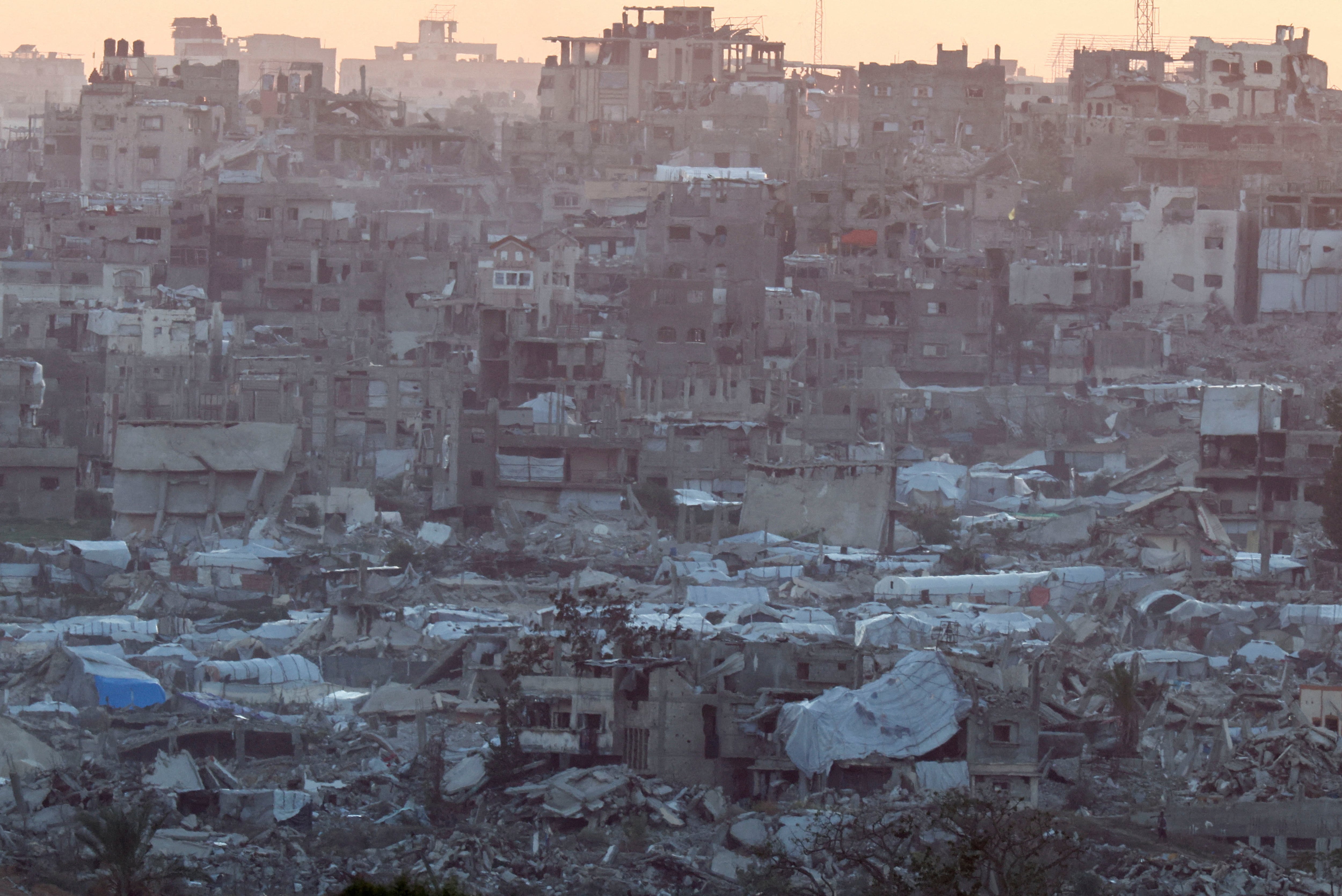
The longest UN climate summit on record brought to the fore the divide between major polluters driving climate change and smaller nations bearing the brunt of its impact, after a year of climate-linked disasters from Europe to Asia.
It also laid bare the world’s inability to keep the Paris Agreement pledge to limit global warming to the 1.5C (2.7F) mark, which scientists expect to overshoot in a few years.
So what’s next for the fraught UN process and what else can nations do to deliver promises that have too often missed their target?
The 11-day-long negotiations that began on November 9 were stalled after oil-producing states blocked any mention of phasing out fossil fuels in the final deal put forward by the president of COP31, Turkiye, and main negotiator Australia.
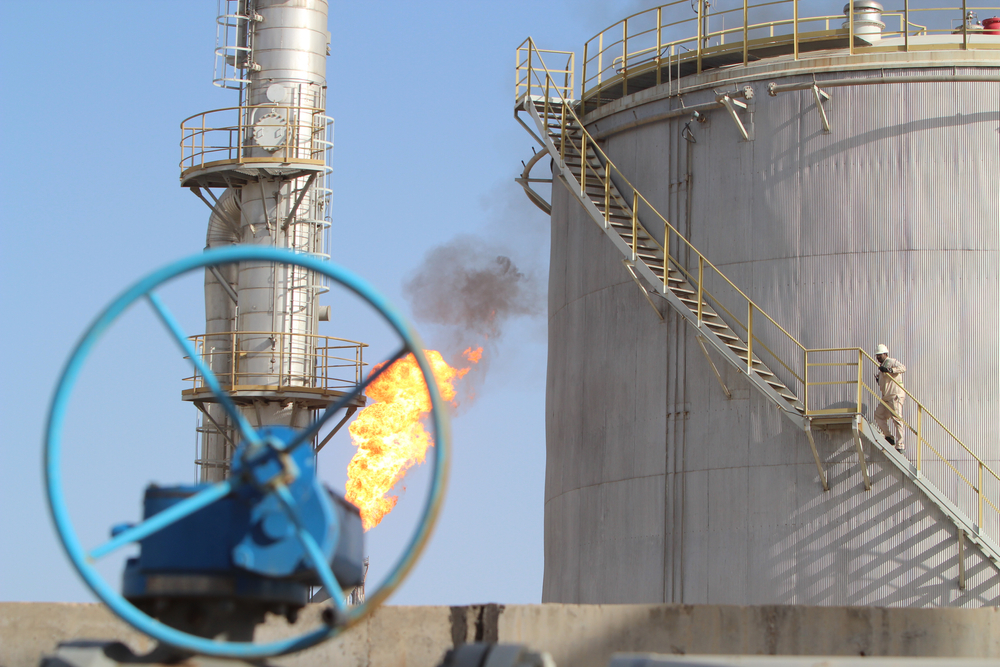
Saudi Arabia and fellow members of the Organization of the Petroleum Exporting Countries (OPEC) opposed any mention of a fossil fuel phase-out, while insisting instead on carbon capture, the technology criticised as costly and ineffective.
Cosima Cassel, Programme Lead in Climate Diplomacy and Geopolitics at environmental think tank E3G, said petrostates attempted to slow momentum on the energy transition “following the disruption of the Strait of Hormuz and the projected decline in their incomes as global demand for fossil fuels falls”.
The revised text of a deal that emerged early on Sunday was angrily rejected after around 130 nations sent a letter to the presidency stating that a deal would have to mention a path for transitioning away from fossil fuels.
Opening of the article, excerpted from Al Jazeera. To read the rest, open the article on the publisher's site.
MarketNews shows the headline and summary published by the outlet. The full article is on the publisher's website. (www.aljazeera.com)