There’s a catch: Investigation shows it’s hard to keep clean hands in the global fish trade
详细摘要
The reporting for this story was part of a larger investigation conducted by an international team of journalists based at The Outlaw Ocean Project.
Much of the fish meal and fish oil that support farmed salmon and imported seafood consumed in Canada come from global supply chains linked to pollution, labour abuses, overfishing, and food insecurity in poorer countries.
In November 2024, the Canadian Aquaculture Industry Alliance gathered in Ottawa to unveil what it called its first national sustainability report for salmon farming. The industry’s message was blunt: Wild fisheries had reached their limits, and farmed salmon was the responsible way forward. “Farm-raised salmon have a key role in helping to feed Canada and the world as capture fisheries reach their limits,” the group said. Its president, Timothy Kennedy, was even more sweeping: “Our goal is to be nothing less than the most sustainable animal protein product in the world.”
This ocean-sustainability argument for fish farming — “grow more, so we can catch less” — is one of the reasons that the $313-billion (U.S.) global aquaculture industry is currently the fastest-growing food sector, and why half of the seafood eaten around the world is now farm-raised rather than caught at sea.
There’s a problem, though, one which is not limited to Canada. “The aquaculture industry’s sales pitch is flat wrong,” said Daniel Pauly, project director of the Sea Around Us initiative at the University of British Columbia. The most popular types of farmed seafood in the U.S. and elsewhere — salmon, shrimp, trout, sea bass, sea bream — are fed the kinds of wild fish that aquaculture claims to be saving, thereby accelerating ocean depletion, not slowing it, he explained. Two-thirds of global aquaculture grows species that are fed fish meal and fish oil, ingredients made by cooking and pulverizing wild-caught fish.
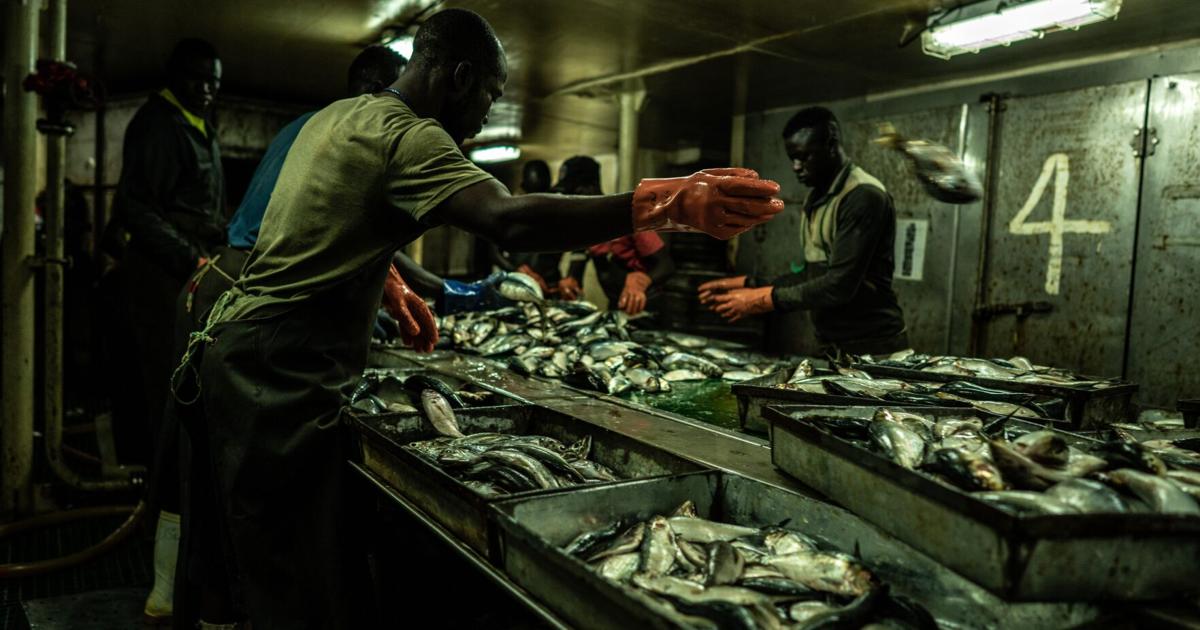
An extensive five-year investigation by The Outlaw Ocean Project, a news organization in Washington, DC, uncovered a variety of the hidden costs involved in producing this feed, including the loss of artisanal fishing jobs, chronic chemical exposure, avoidable worker…
文章开头,摘自Toronto Star。如需阅读全文,请前往媒体网站。
MarketNews 仅展示媒体发布的标题和摘要,全文请在出版方网站阅读。 (www.thestar.com)