What Comes Next After Historic Myanmar Genocide Ruling
Detailed summary
The landmark decision could have significant implications for other genocide cases, including pending allegations against Israel.
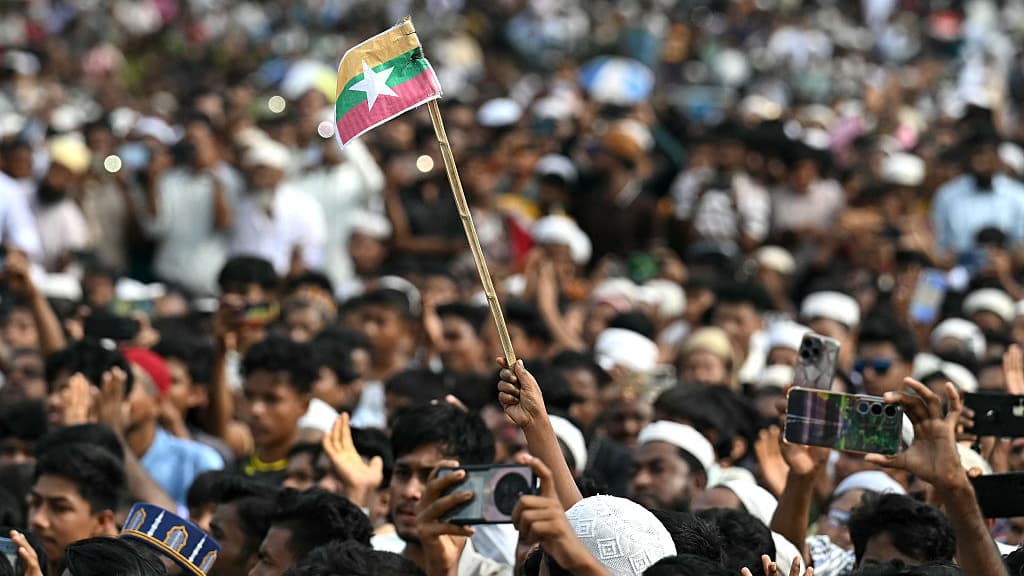
The world’s top international court has ruled that Myanmar committed genocide against its Rohingya Muslim minority, more than a million of whom remain displaced.
The verdict, issued Thursday, is the first time a state has been found responsible for committing genocide in the history of the International Court of Justice, which was established in 1945. In a weekslong military campaign in 2017, Myanmar forces killed at least 10,000 people, including up to 2,109 children under five, and forced more than 700,000 others to flee the country’s northern Rakhine State.
The landmark decision could have significant implications for the legal treatment of cases brought under the 1948 Genocide Convention, Melanie O’Brien, a professor of international law at the University of Western Australia Law School, tells TIME. That includes South Africa’s pending case alleging that Israel has committed genocide in Gaza, where Israeli forces have killed tens of thousands of people over the past three years.
A spokesperson for Myanmar President Min Aung Hlaing told reporters on Friday that the ruling is “unfair.” Min Aung Hlaing was the military’s commander in chief during the 2017 operation.
“It was not a decision made unanimously,” spokesperson Khine Khine Soe said, pointing out that six of the 15 judges dissented. She did not say whether Myanmar would comply with the ruling.
Myanmar’s military junta-backed government denied committing genocide during the proceedings.
The National Unity Government, a parallel government formed after Myanmar’s 2021 military coup, said on Thursday that it respects the judgment.
For the Rohingya, the ruling is “public acknowledgment in a court of law and in the top court in the world that what happened to them was genocide,” says O’Brien, who has published multiple books on genocide and international criminal law, is working on a book about the Genocide Convention in the ICJ.
Members of the Rohingya community also said the ruling is a historic recognition of the…
Opening of the article, excerpted from Time. To read the rest, open the article on the publisher's site.
MarketNews shows the headline and summary published by the outlet. The full article is on the publisher's website. (time.com)