Commentary: Cyberattacks on billboards, supermarket fridges reveal a new test of resilience
Résumé détaillé
Recent cyberattacks involving public LED screens and supermarket refrigerators have exposed security weaknesses in many electronic devices connected to the internet, says RSIS’…
Recent cyberattacks involving public LED screens and supermarket refrigerators have exposed security weaknesses in many electronic devices connected to the internet, says RSIS’ Benjamin Ang.
SINGAPORE: A string of apparently unrelated cybersecurity incidents around the world has revealed risks that any country, including Singapore, could be vulnerable to.
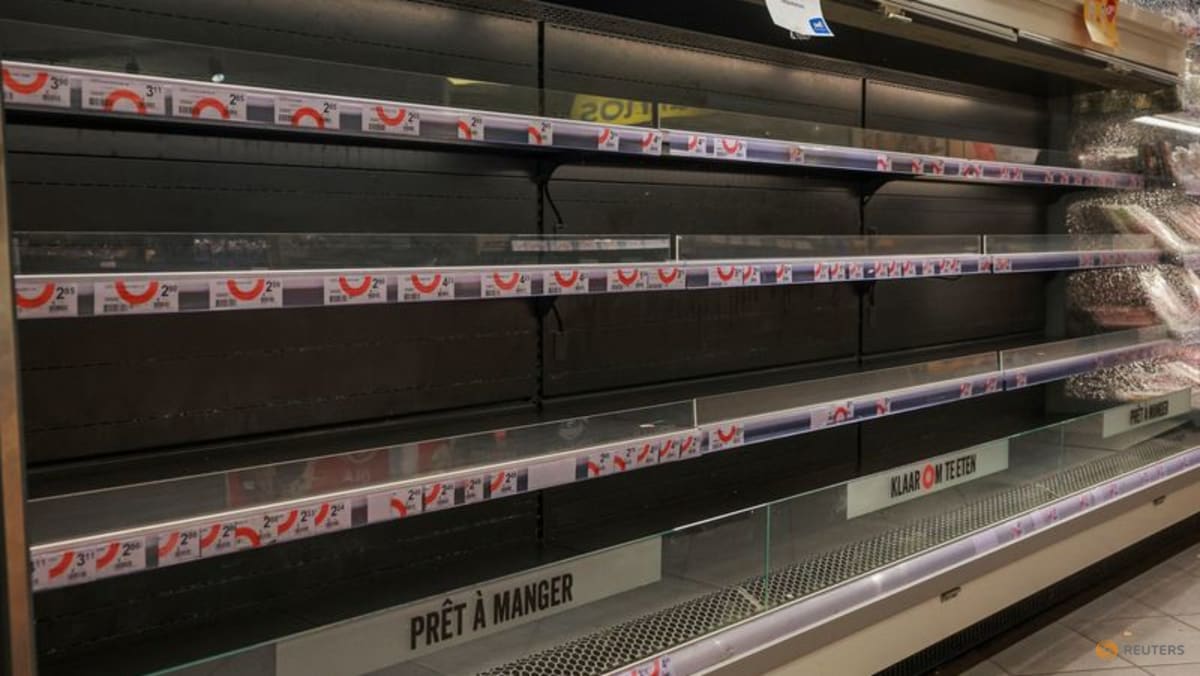
Last month, hackers hijacked public LED screens in Kluang, Malaysia, and broadcast obscene content at several locations. Around the same time and halfway across the world, other hackers sabotaged internet-connected commercial refrigerators across Europe, manipulating temperature settings to rise as high as 50°C and causing widespread food spoilage, operational disruptions and even store fires.
There were also reports of freezer malfunctions in US military bases earlier in August, which the Pentagon is reportedly considering to be a suspected hack following the fridge outages in Europe.
The incidents have exposed security weaknesses in the growing number of electronic devices connected to the internet over the past decades.
One common reaction online has been to question why public LED screens and supermarket refrigerators need to be connected to the internet.
The reality is that connecting these devices can be very cost-effective for businesses in terms of remote monitoring, control, troubleshooting and energy saving. The same convenience has made smart devices increasingly attractive to home owners too.
Yet many of these connected devices are designed for low cost and efficiency, rather than for security or resistance to cyberattacks. The problem is compounded when such devices are beyond updating, embedded in organisations that lack the expertise to manage them, or when business operations and facilities become too reliant on internet-enabled monitoring to remove vulnerable devices completely.
This gives a determined attacker many targets to choose from, whether the motive is profit, espionage, politics, ideology…
Début de l'article, extrait de CNA. Pour lire la suite, ouvrez l'article chez le média.
MarketNews présente le titre et le résumé publiés par le média. L'article complet se lit sur le site de l'éditeur. (www.channelnewsasia.com)