In a Sell-Off, How Much in One Stock Is Too Much?
Résumé détaillé
What matters is that you pick a limit on purpose, based on how steady the stock is and how much a big drop would hurt.
For some Fools, the last few weeks have been a real test. Before Monday's rebound, Nvidia (NVDA -5.86%) had lost about half its value in a matter of weeks. Many members have held the stock for years, so it has grown into a huge part of their portfolios.
At our live Markets Special Report on Sunday, Motley Fool co-founder and CEO Tom Gardner described the scale of it. Some members own Nvidia shares worth millions, he said, and a few own tens of millions. Picture a $28 million stake that falls to $14 million in about five weeks.
That whiplash raises a question every investor faces sooner or later. How much of your portfolio is too much in one stock?
Tom put that question to each panelist on Sunday. And for clarity, he meant the stocks in your portfolio, not your home or other assets.
So there's no single magic number. Even our own analysts don't agree on one (we are 'motley', after all!)
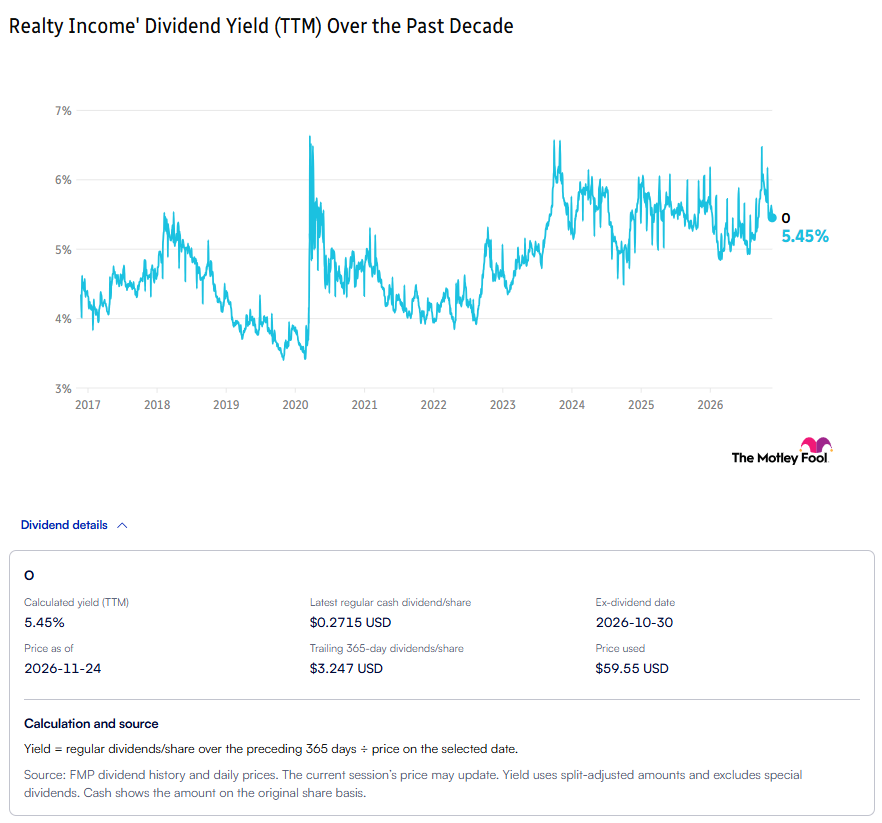
Matt explained why his 10% isn't fixed. If Realty Income (O +1.64%) grew past 10% of his portfolio, he said, he wouldn't really mind. The real estate investment trust owns about 15,500 properties and has paid more than 600 monthly dividends in a row. It's the kind of stock he says he could leave alone for 10 years.
A riskier stock is different. Matt said he believes in Oracle (ORCL -3.68%), for example, but wouldn't want it to make up 10% of his portfolio right now.
To judge how jumpy a stock is, check its beta on its TMF ticker page. The higher the beta, the smaller you may want the position to be.
At The Motley Fool, we usually like to let our winners run. Tom said the stocks that grow into your biggest positions are usually the ones you don't want to keep cutting back. Andy added that portfolios naturally become more concentrated over time, because a few big winners do most of the heavy lifting.
Début de l'article, extrait de The Motley Fool. Pour lire la suite, ouvrez l'article chez le média.
MarketNews présente le titre et le résumé publiés par le média. L'article complet se lit sur le site de l'éditeur. (www.fool.com)