Energy security has been forgotten in Kurdistan’s political squabbles

Detailed summary
If a house divided against itself cannot stand, what are the chances for a house triply divided? On November 8, explosive drones slammed into the Khor Mor gasfield in the…
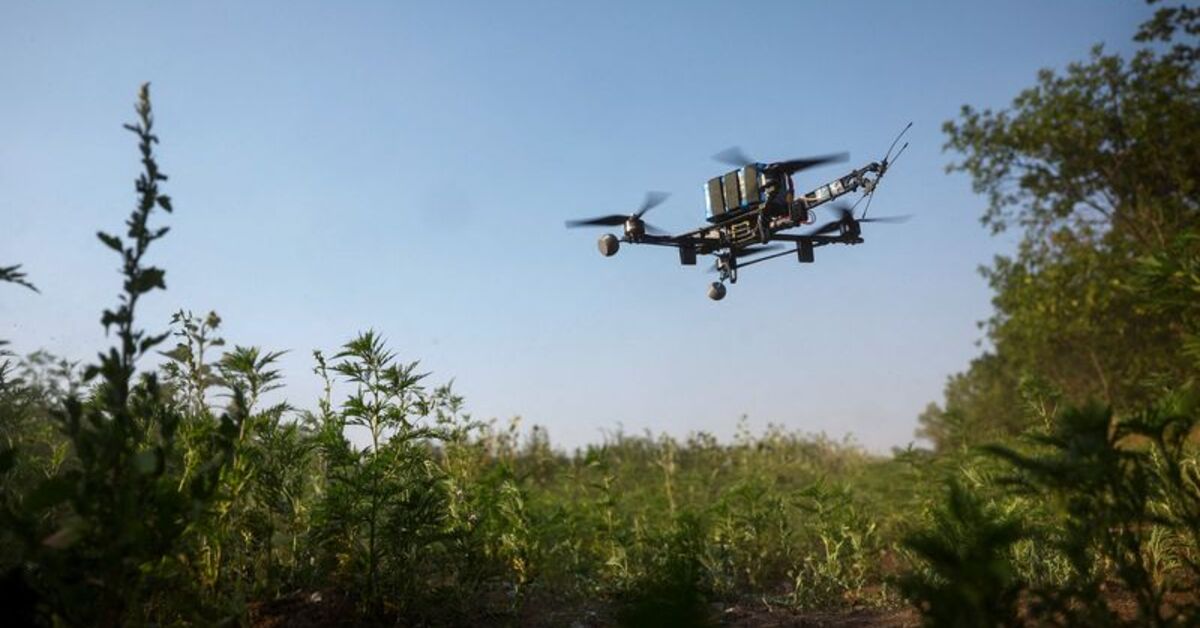
If a house divided against itself cannot stand, what are the chances for a house triply divided? On November 8, explosive drones slammed into the Khor Mor gasfield in the Kurdistan Region of Iraq, turning out the lights across the semi-autonomous territory. The Kurdish governing parties are at loggerheads; their debate with Baghdad continues, and the federal government is conflicted about bringing the perpetrators to justice.
The strike is far from the first on Khor Mor, which is run by the Pearl Petroleum consortium that includes Sharjah-based Crescent and Dana Gas. Dana Gas said on Saturday that “great damage has hit the Khor Mor gas facility, and at present no quantity of gas can be produced”.
The field is the main producer in Kurdistan and was expanded to 750 million cubic feet per day of gas capacity last October. Without it, Kurdistan has very limited alternative production, and its power plants quickly go dark. Electricity generation plunged to 1,000 megawatts from 3,700MW before the attack.
The attack was not directly a result of the US-Iran war, despite early claims that the drones came from Iran. If Iran wanted to target US interests, it would probably have attacked the Sarsang oilfield, run by American company HKN, led by Ross Perot Junior, son of Ross Perot, who ran as an independent candidate in the 1992 presidential election.
Indeed, Sarsang was damaged in March and April, early in the war. Cutting off oil is more to Tehran’s advantage right now in keeping pressure on global markets and the US administration.
The Khor Mor attack stems instead from domestic politics. The Patriotic Union of Kurdistan (PUK), which controls the southern part of the region from Sulaymaniyah, has withdrawn from the regional government. It is threatening to set up its own separate administration, reversing the unification reached under American auspices in 2006.
His party, which has steadily lost ground to the Kurdistan Democratic Party (KDP), based in Erbil, fears exclusion from…
T…
Opening of the article, excerpted from The National. To read the rest, open the article on the publisher's site.
MarketNews shows the headline and summary published by the outlet. The full article is on the publisher's website. (www.thenationalnews.com)