Singapore’s 2027 Asean chairmanship could test the balance of power in Asia
Résumé détaillé
Much depends on the Republic’s response to three potential developments next year
Much depends on the Republic’s response to three potential developments next year
FOR two decades, China and Asean have tried to agree on rules for the South China Sea, where Beijing’s claims overlap with those of Brunei, Malaysia, the Philippines and Vietnam.
In mid-November 2026, Manila, Beijing and Asean settled about 80 per cent of a code of conduct for the sea – but this missed their 2026 deadline to conclude discussions.
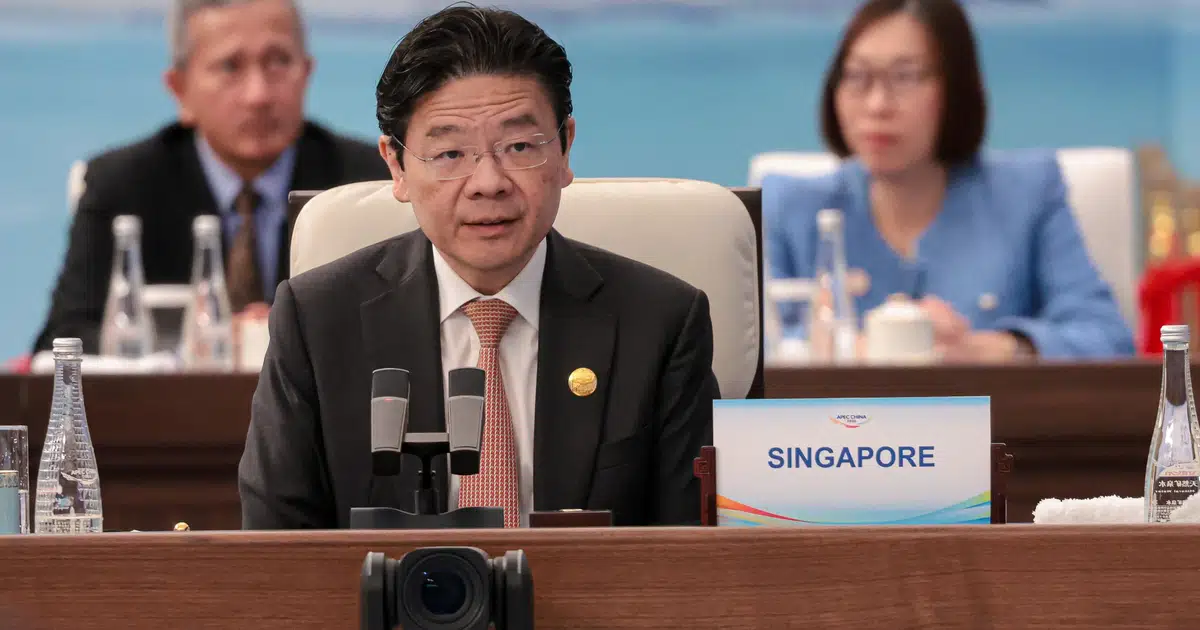
Singapore, which chairs Asean from Jan 1, 2027, inherits the unfinished 20 per cent, and with it the job of brokering between Beijing and four of the bloc’s own members.
At the same time, it has to keep the US engaged in the region. That task makes this year’s IPS-Nathan Lectures, run by the Institute of Policy Studies, timely.
The speaker, Ng Chee Khern, a former air force and intelligence chief who heads the Iseas-Yusof Ishak Institute, rightly urges “strategic empathy” towards both great powers in his lecture “The Power to Choose”.
We can go further. Empathy explains motives; it does not tell us when a powerful nation becomes a dangerous one. Two tests do: the balance of power and the balance of threat.
The Lowy Institute in 2025 ranked China ahead of America on military posture in Asia, referring to the ability to deploy armed forces quickly and sustain them if a conflict breaks out in the region.
But power need not threaten. Political scientist Stephen Walt argued that states balance against threat, judged by proximity, offensive capability and perceived intent, rather than military strength alone.
Début de l'article, extrait de The Business Times. Pour lire la suite, ouvrez l'article chez le média.
MarketNews présente le titre et le résumé publiés par le média. L'article complet se lit sur le site de l'éditeur. (www.businesstimes.com.sg)