Commentary: A weak South China Sea code of conduct will be worse than no agreement at all
详细摘要
As Singapore takes over as ASEAN chair in 2027, what remains unresolved on the South China Sea code of conduct are arguably the most intractable issues, says Collin Koh from the S…
As Singapore takes over as ASEAN chair in 2027, what remains unresolved on the South China Sea code of conduct are arguably the most intractable issues, says Collin Koh from the S Rajaratnam School of International Studies.
SINGAPORE: As the dust settles at the Association of Southeast Asian Nations (ASEAN) Summit in Manila with a slew of agreements, the much-anticipated Code of Conduct in the South China Sea isn’t one of them.
ASEAN and China have provisionally agreed on 80 per cent of the text. That sounds tantalisingly close to the finishing line but the remaining 20 per cent may prove far harder to resolve.
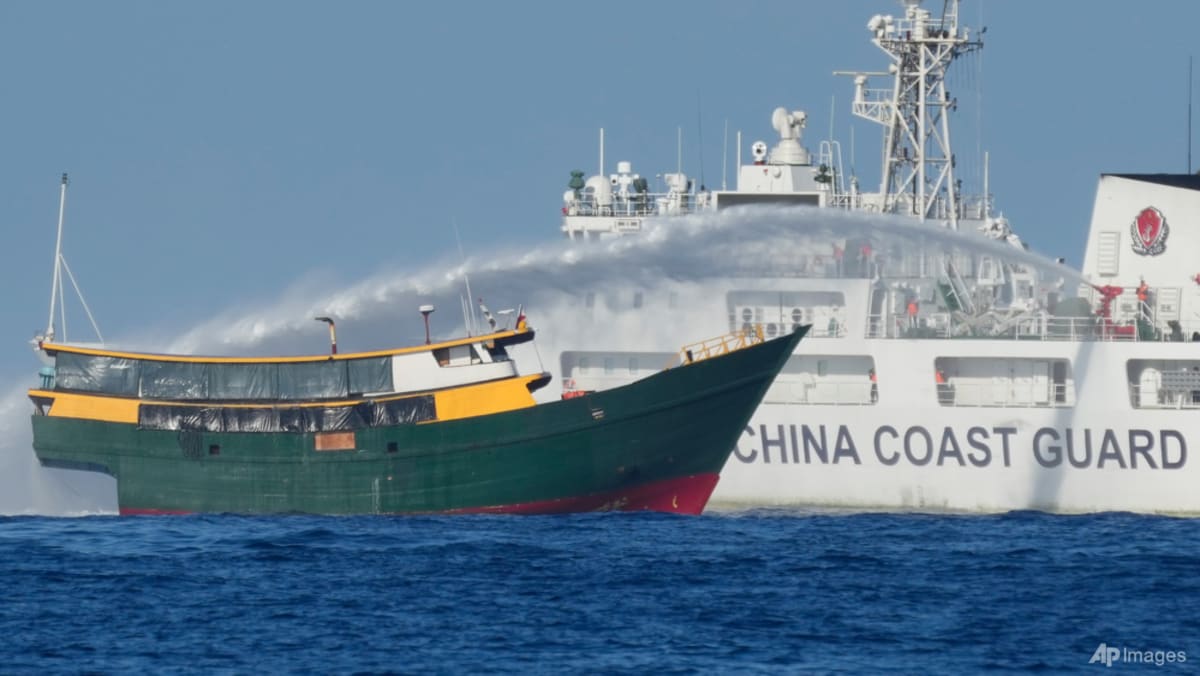
To Manila’s credit, as the 2026 ASEAN chair, it had made finalising the code this year a key priority and oversaw intensified negotiations. China and several ASEAN members have overlapping claims in the South China Sea and maritime clashes, notably between China and the Philippines, have raised fears of escalation.
Now the hot potato is passed over to Singapore as ASEAN chair for 2027.
Secretary-General Kao Kim Hoorn said ASEAN expects talks to conclude next year. Philippine Foreign Minister Ma Theresa Lazaro also said: “I trust that Singapore will be able to finish the discussions.”
Whether this can all be finalised within next year is a huge question mark. But the pressure to finish negotiations must not come at the expense of producing a code that meaningfully reduces tensions in the South China Sea.
The remaining 20 per cent left unresolved represents arguably the most intractable issues.
The original single draft text adopted in 2018 was essentially a collection of the various negotiating parties’ proposals. Many concern practical security cooperation measures, such as joint efforts to deal with common threats such as aeronautical emergencies and environmental problems. Paragraphs overlapped, proposals were repeated and items continued to be subtracted or added in the years since.
文章开头,摘自CNA。如需阅读全文,请前往媒体网站。
MarketNews 仅展示媒体发布的标题和摘要,全文请在出版方网站阅读。 (www.channelnewsasia.com)