APEC’s free trade promise fades, but its relevance endures
Résumé détaillé
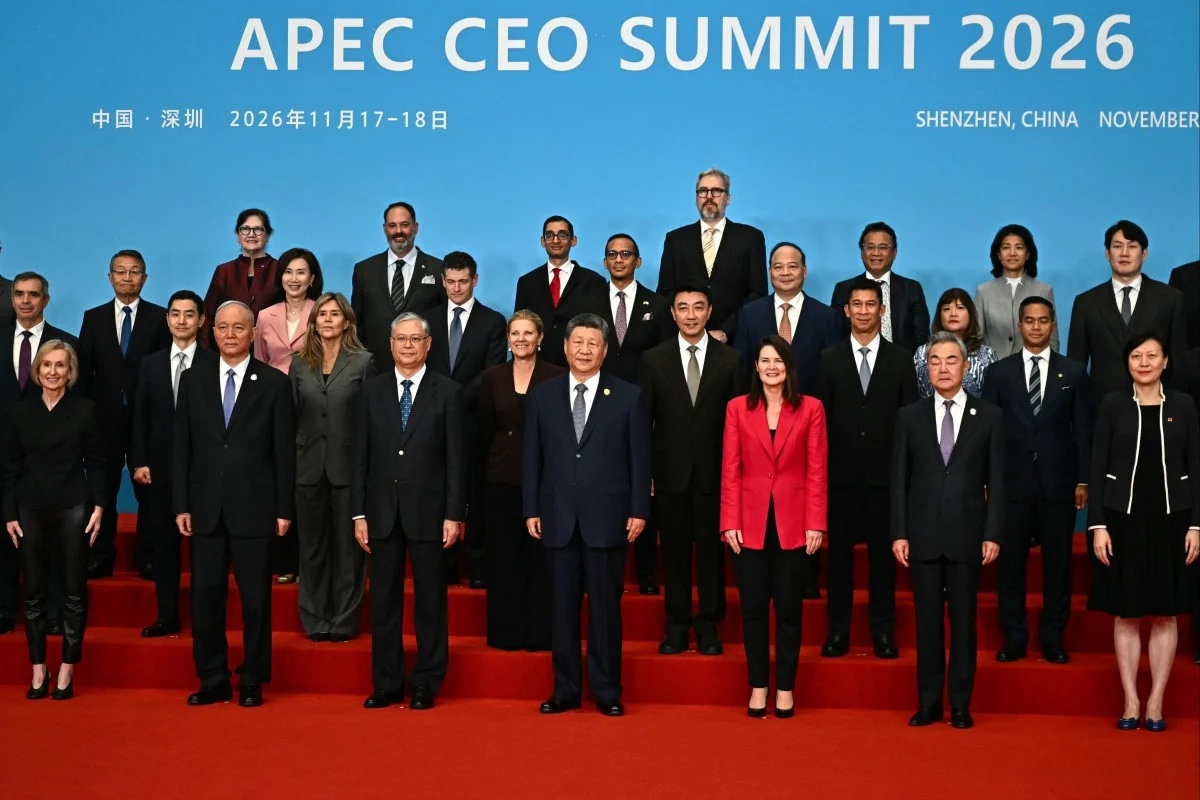
Hours after the 33rd APEC leaders’ meeting wrapped up in Shenzhen on November 19, the joint statement vanished from the forum’s website. At the time of writing, the page returns a…
Hours after the 33rd APEC leaders’ meeting wrapped up in Shenzhen on November 19, the joint statement vanished from the forum’s website. At the time of writing, the page returns a 404.
China’s state news agency Xinhua republished the text later that evening, but the episode was an apt metaphor for an institution whose substance has been thinning for years.
The 2026 APEC Leaders’ Shenzhen Outlook contains no reference to the World Trade Organization or the multilateral trading system. It marks the second consecutive year the Asia-Pacific’s flagship free-trade forum has produced a leaders’ statement without mentioning the body that underpins global trade rules.
The Free Trade Area of the Asia-Pacific, a concept now 20 years old, survives only as a line about building economies’ capacity to participate in high-standard and comprehensive regional undertakings. That is less a commitment to build a free trade area than an aspiration to attempt it one day.
If APEC’s trade liberalization agenda is this thin, what is the forum actually for? The answer lies in what happened around the summit, not inside it. Every November, the Asia-Pacific’s diplomatic calendar compresses into a few crowded weeks. ASEAN, the East Asia Summit, APEC, the G20 and a constellation of minilateral groupings all convene in quick succession.
The result is a cluster of rooms and states choose among them by membership list, depending on which audience they want for which message. For middle powers, which often lack the leverage to convene their own rooms, the choice matters more than the agenda inside any one of them.
On 17 November, the Quad leaders met in Manila on the sidelines of the ASEAN summit. It was the grouping’s first leaders’ summit in over two years. The joint statement was notably pointed: “grave concerns about economic coercion, including through arbitrary export restrictions”, a commitment to “open, safe, and resilient maritime transit corridors”, and the announcement of a new Indo-Pacific…
Two…
Début de l'article, extrait de Asia Times. Pour lire la suite, ouvrez l'article chez le média.
MarketNews présente le titre et le résumé publiés par le média. L'article complet se lit sur le site de l'éditeur. (asiatimes.com)