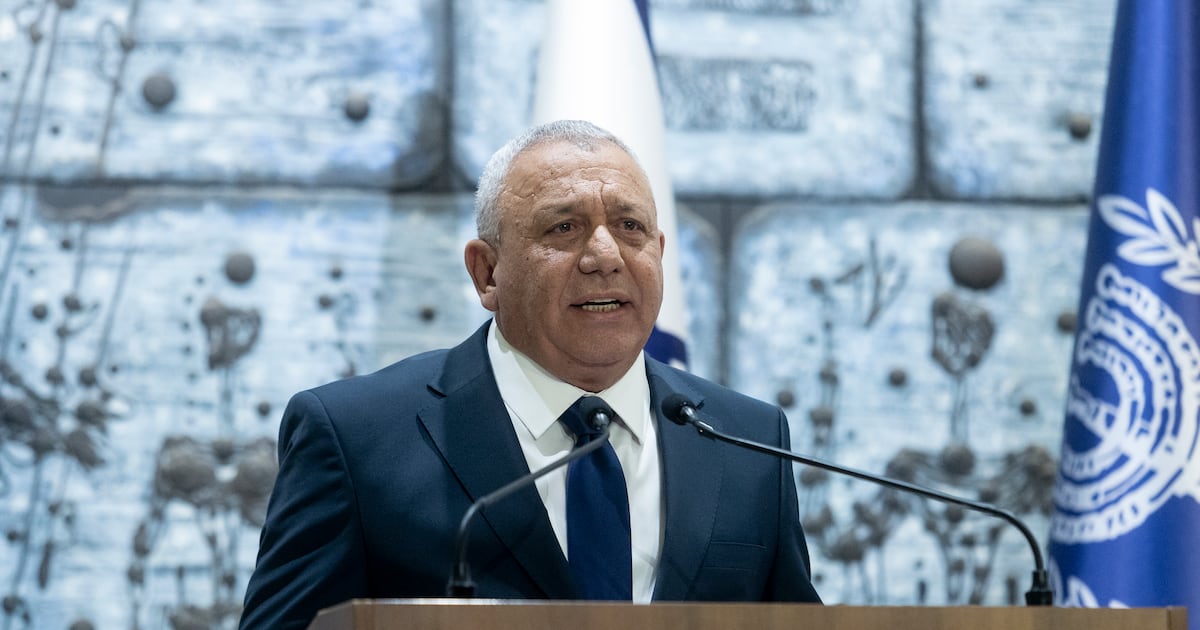
Would Israel’s regional policy change under Gadi Eisenkot?
Detailed summary
Israel’s parliament was sworn in this week following last month’s elections, although a new government has yet to be formed. President Isaac Herzog has given that mandate to…
Israel’s parliament was sworn in this week following last month’s elections, although a new government has yet to be formed.
President Isaac Herzog has given that mandate to opposition leader Gadi Eisenkot, who has 28 days to form a coalition, with a possible two-week extension. He has several options but none of them will be easy.
Getting the majority he needs will require support from either the Arab lists or ultra-Orthodox parties that defect from current Prime Minister Benjamin Netanyahu’s bloc.
The make-up of the next government could determine Israel’s policy not only in the occupied West Bank and Gaza, but also across the region including in Iran, Lebanon and Syria.
Mr Eisenkot has already said the country should not return to war unless it comes under immediate threat. But questions remain over how different his government’s approach would be to Mr Netanyahu's.
In this episode of Beyond the Headlines, host Nada AlTaher speaks to Daniel Levy, president of the US Middle East Project and a former Israeli peace negotiator.
Opening of the article, excerpted from The National. To read the rest, open the article on the publisher's site.
MarketNews shows the headline and summary published by the outlet. The full article is on the publisher's website. (www.thenationalnews.com)