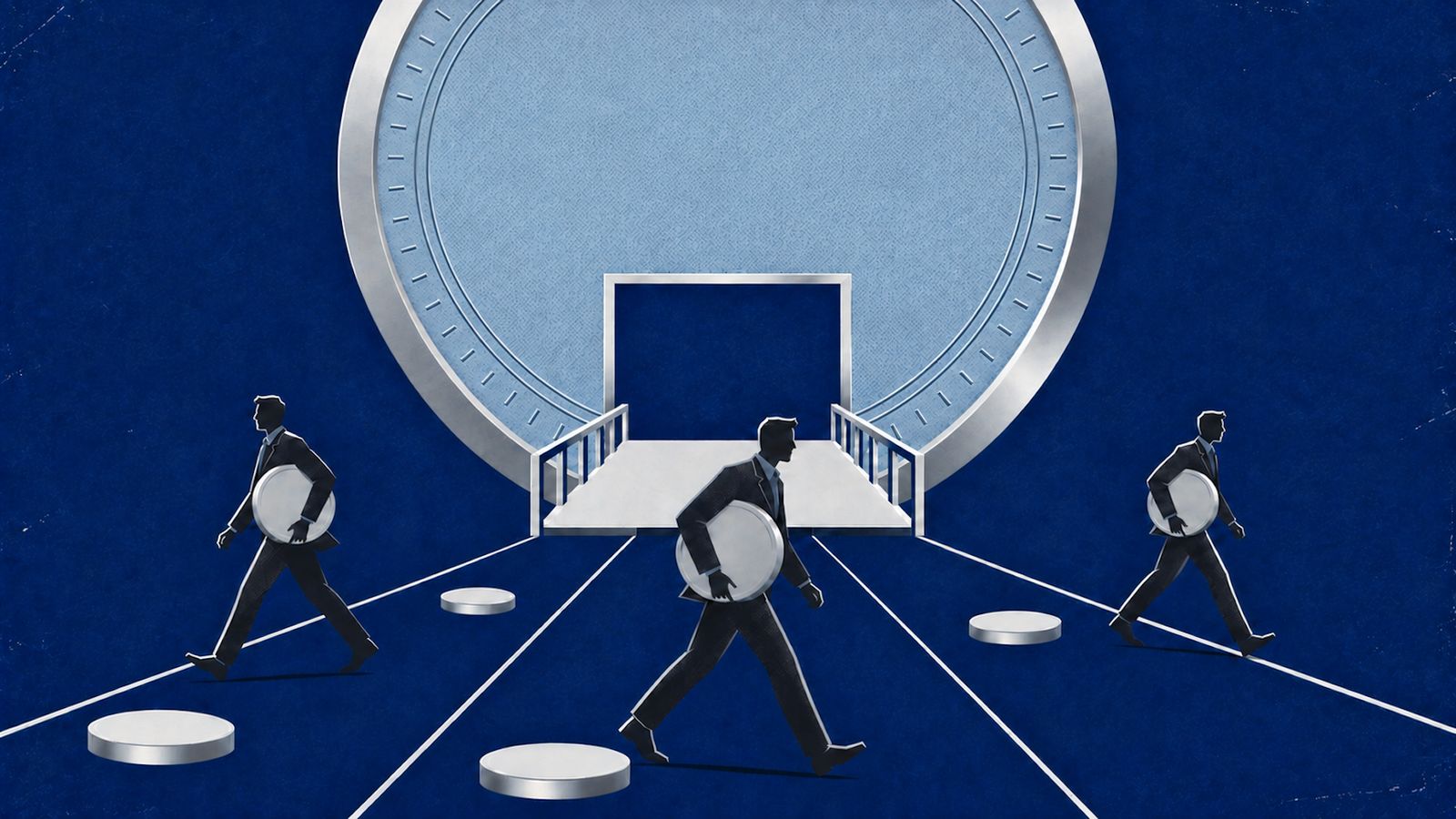
A Surveillance State Twenty-Five Years In The Making
Résumé détaillé
The recent fight over the Flock cameras is just one more episode in the construction of the surveillance state, something that has continued to build up in the aftermath of the 9/11 attacks.
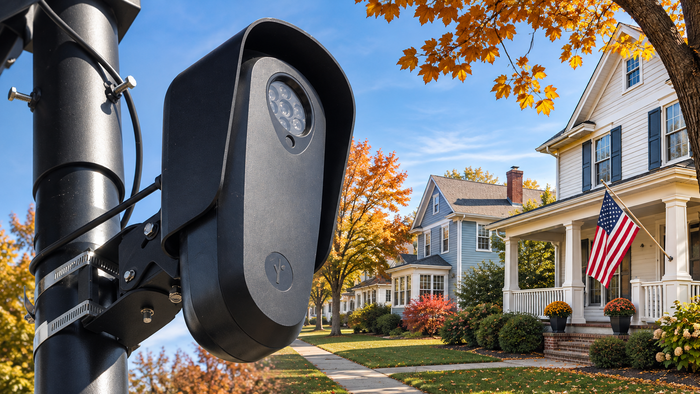
The debate over Flock cameras has brought a familiar tension between safety and freedom to American communities. Flock Safety - a supplier of automated license-plate readers (ALPRs) - says its technology "helps communities deter crime, respond to emergencies, and investigate safety incidents." Critics argue that this surveillance threatens Fourth Amendment protections.
Meanwhile, the Institute for Justice has cataloged more than 200 reported incidents of abuse and misuse involving ALPR systems, including stalking, wrongful stops and detentions, and searches unrelated to law enforcement. These cases illustrate what can happen when officials gain access to detailed records of people's movements, including those suspected of no wrongdoing.
However, Flock Safety is responding to an ambiance that the government itself has cultivated. Its business reflects a political environment shaped by twenty-five years of expanding Big Brother's influence across the nation.
After September 11, the 2001 Authorization for Use of Military Force (or the AUMF) authorized force against those responsible for the attacks and those who harbored them. The PATRIOT Act - enacted the following month - expanded surveillance, information sharing, and financial monitoring. The war on terrorism, a war on a noun, offered no clear endpoint: defeating one organization could not eliminate terrorism itself. In Tyranny Comes Home, Christopher Coyne and Abigail Hall describe the boomerang effect of how government powers and practices developed abroad can return to erode liberty at home.
By 2013, Washington had fought wars in Afghanistan and Iraq and intervened in Libya in 2011. In 2013, Edward Snowden's disclosures revealed how foreign intelligence collection also reached Americans. Through the NSA's PRISM program, operating under Section 702 of the Foreign Intelligence Surveillance Act, the government obtained communications from service providers while targeting non-US persons reasonably believed to be…
Financ…
Début de l'article, extrait de ZeroHedge. Pour lire la suite, ouvrez l'article chez le média.
MarketNews présente le titre et le résumé publiés par le média. L'article complet se lit sur le site de l'éditeur. (www.zerohedge.com)