Armenia between Russia and Turkey in a shifting South Caucasus
Detailed summary
When Armenia regained independence in 1991, its security depended in part on relations between two historic rivals, Russia and Turkey. Armenia looked to Russia for protection,…
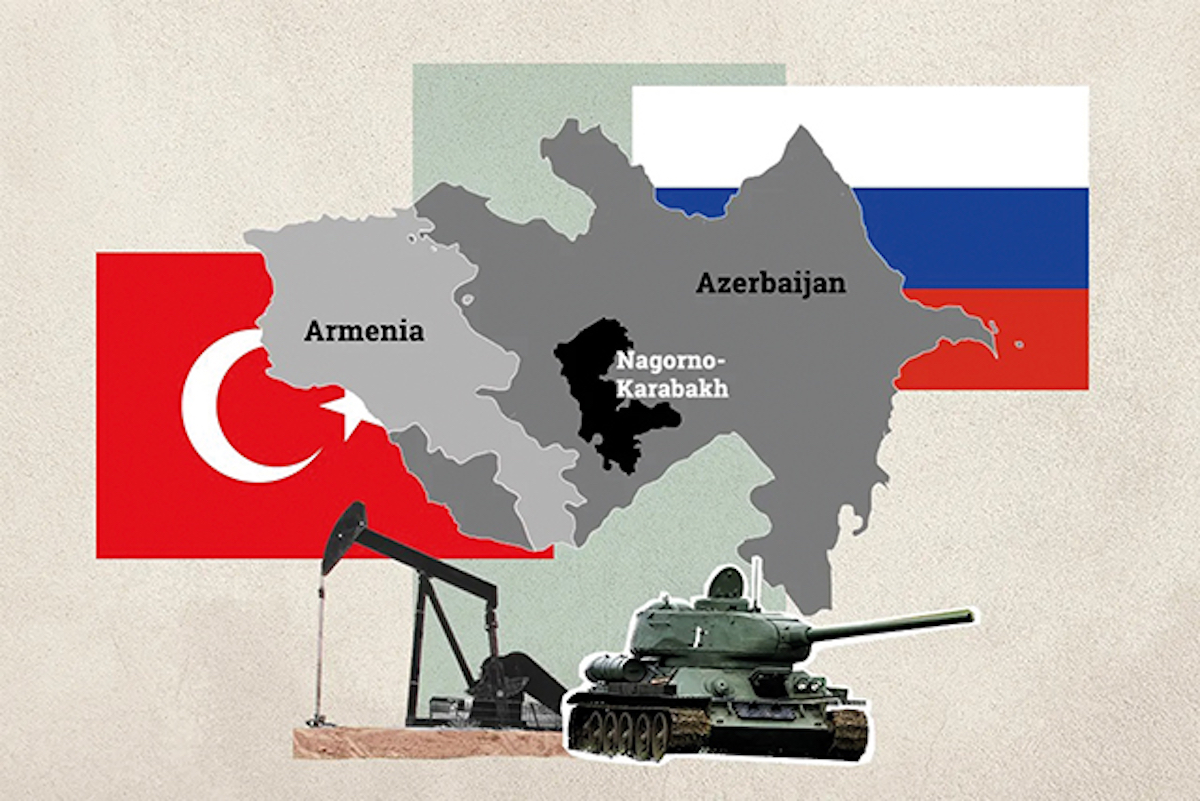
When Armenia regained independence in 1991, its security depended in part on relations between two historic rivals, Russia and Turkey. Armenia looked to Russia for protection, while Turkey drew closer to Azerbaijan, Armenia’s eastern neighbor and rival.
The alliance gave Moscow a military foothold near the Turkish border. Turkey had been a member of NATO since 1952, and I thought Moscow valued its position in Armenia too highly to risk it for the sake of an agreement with Ankara.
In my 2005 study of the South Caucasus, I called the relationship between Russia and Turkey a “geostrategic armistice.” They still competed for influence, but both showed restraint. As late as 2016, this writer argued that closer economic ties between them were unlikely on their own to change the balance of power in Nagorno-Karabakh.
The region, then predominantly Armenian, was internationally recognized as part of Azerbaijan. The authorities of the self-proclaimed Nagorno-Karabakh Republic governed most of it with Armenia’s support.
Today, the relationship between Russia and Turkey is best seen as pragmatic cooperation between rivals. And the balance between them has shifted in Turkey’s favor.
Turkey’s relations with Azerbaijan have shaped its policy towards Armenia since the early 1990s, as I discussed in a 2021 study of Turkish geostrategy. In 1993, during the first war over Nagorno-Karabakh, Turkey closed its land border with Armenia in support of Azerbaijan.
In the years that followed, Turkey and Azerbaijan built close commercial ties. The Baku–Tbilisi–Ceyhan pipeline carried Azerbaijani oil through Georgia to a Turkish port on the Mediterranean. Armenian exporters, meanwhile, still had no direct land route to the Turkish market.
In the second war over Nagorno-Karabakh in 2020, Turkey’s military and political support helped Azerbaijan win. Russia brokered the ceasefire, but its response fell short of what many Armenians expected of their ally.
Moscow also agreed that Turkish officers would…
Opening of the article, excerpted from Asia Times. To read the rest, open the article on the publisher's site.
MarketNews shows the headline and summary published by the outlet. The full article is on the publisher's website. (asiatimes.com)